


Mayor Karl Dean, joined by Metro Police Chief Steve Anderson, led the ceremonial groundbreaking of the Midtown Hills Police Precinct on 12th Avenue South, the city’s eighth and newest precinct that continues Nashville’s investment in public safety.
By creating the Midtown Hills Precinct, the city will bring police services even closer to the residents in that section of Davidson County and in other Nashville neighborhoods as coverage areas of the West, South and Hermitage precincts will decrease.

“Our police department has done a great job in reducing crime by placing an emphasis on building relationships with neighbors and businesses so that everyone plays an active role in keeping our city safe,” Mayor Dean said. “When the Midtown Hills Precinct opens, patrol officers will have less area to cover and that gives them more time to spend getting to know and building trust with the people they protect.”
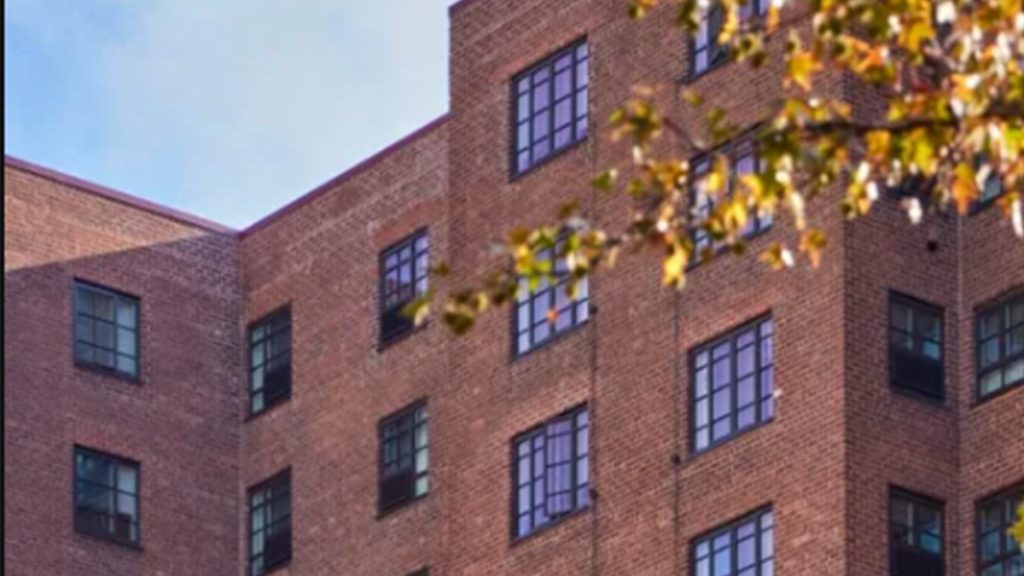
Located at the corner of 12th Avenue South and Wade Avenue, near Wedgewood Avenue, the Midtown Hills Precinct will cover an estimated 46 square miles and include the communities of Edgehill, Green Hills, Forest Hills, Oak Hill, Crieve Hall and Nippers Corner, as well as Vanderbilt, Belmont and Lipscomb universities.
The precinct is projected to open in mid-2014. It will include a large community room to serve as a gathering place for neighborhood meetings and other events. It will be about 23,000-square-feet in size and built to LEED Silver certification standards.
The new full-service precinct will house patrol and flex officers, an investigative unit and a team of undercover detectives to handle neighborhood drug complaints.
“Like Nashville’s seven other precincts, Midtown Hills will essentially serve as a mini police department with its own commander to serve the neighborhoods around it,” Chief Anderson said. “It is through those partnerships with neighborhoods that we are together making a real difference in directly addressing crime and enhancing quality of life for Nashville’s families.”
The project is expected to cost $9.7 million, including funds Mayor Dean included in the fiscal year 2011 Capital Spending Plan for land acquisition and construction and in the FY 2014 Capital Spending Plan. Both plans were unanimously approved by the Metro Council. The design/build teams include Thomas, Miller & Partners and Messer Construction.
This is the second new precinct to open during Mayor Dean’s tenure. The first was the Madison Precinct, which opened on Jan. 1, 2012. The permanent headquarters for the Madison Precinct and the DNA Crime Laboratory will be completed in January, 2014
Additionally, Mayor Dean opened a replacement West Precinct in December, 2011 at 5500 Charlotte Avenue. A new Central Precinct is under construction near Music City Center to replace the precinct currently located at Bridgestone Arena.