The Black voter turnout for the May 6 primary election provided big wins for African American candidates as well as those candidates who took time to focus on the Black vote.
Disproportionately affected by the legal system, this election was of particular importance to African Americans because of the high number of judicial and judicial-related positions up for election.

The impact of the Black vote was felt during the early voting period. Officials report that there were 12,042 votes cast during the early voting period. Of those, 4,327 were identified as Black; 2,631 unknown; and 5,101 White.
“Of the unknown votes, the greater majority live in predominately African American neighborhoods,” said an official. “Meaning in this election, we can assume that there was a greater Black early voter turnout than any other ethnic group.”

Much of this can be attributed to the bold move of opening up polling locations in Black neighborhoods early. The bill to get the precincts open was sponsored by Councilman Scott Davis, Councilman-at-large Ronnie Stein, and Councilwoman-at-large Megan Barry—with the full support of the Mayor’s Office and the Minority Caucus.
“Without the help of the Minority Caucus, at large members Ronnie Stein and Megan Barry, and the Mayor’s Office it would not have been possible to get this many predominantly Black precincts open for early voting,” said Councilman Davis.

Glenn Funk and Lynda Jones, both White candidates with deep roots in the African American community won their races. Glenn Funk won the election for District Attorney, beating Rob McGuire, a staple in the District Attorney’s office for over 13 years.
In a released statement McGuire said: “I want to congratulate Glenn on his victory in the Democratic primary for District Attorney. I pledge that I will assist him in any way I can to fight violent crime and do justice in our community. I am, of course, disappointed in the election result—but I want to express my profound gratitude to my supporters, especially those who volunteered long hours for my campaign. I remain committed to advocating for victims and their families and I will seek to continue to serve the public.” Funk does not have a Republican opponent, so he has in effect won the position for DA.
Lynda Jones beat a large field of competitors that included Jay Norman. Jones will have to face a Republican opponent to become the next Division IX General Sessions Judge in the November Election.


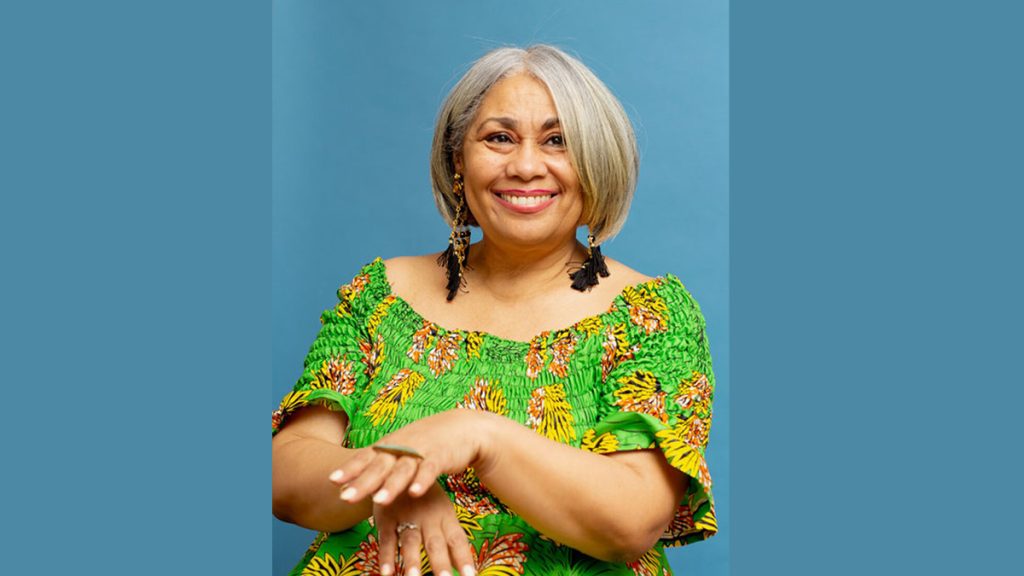
African Americans Brenda Wynn (County Clerk), and Allegra Walker (General Session, Division IV) also won their elections.
Incumbent Judge Diane Turner handily won her election for General Sessions, Division V Judge.
Other notable African American winners include: Rachel Bell, Howard Gentry, A. Blackshear Dalton, and Kelvin Jones.