Nashville MTA: Amp is dead

Rendering of Nashville amp

Nashville’s controversial Amp bus rapid transit proposal appears dead once and for all after Mayor Karl Dean’s top transit official said Thursday that the city won’t look to advance the project to construction.

Metro Transit Authority CEO Steve Bland recommended to his board Thursday that detailed design on the Amp cease — a final stamp of defeat three months after Dean announced he would not seek capital construction funds for the $174 million project during his final term in office.

Metro, at the time of Dean’s move in October, was still committed to completing $7.5 million in design and other preliminary Amp work that the Metro Council had already approved. So far, $2.5 million has been spent, but Bland’s remarks mean that $5 million of unspent Amp dollars still left from that pool are no longer committed to one of the most contentious proposals in recent Nashville history.

The city now plans to look at other corridors for transit in addition to West End-Broadway, where the Amp was planned. Public meetings on this process are to begin in February.

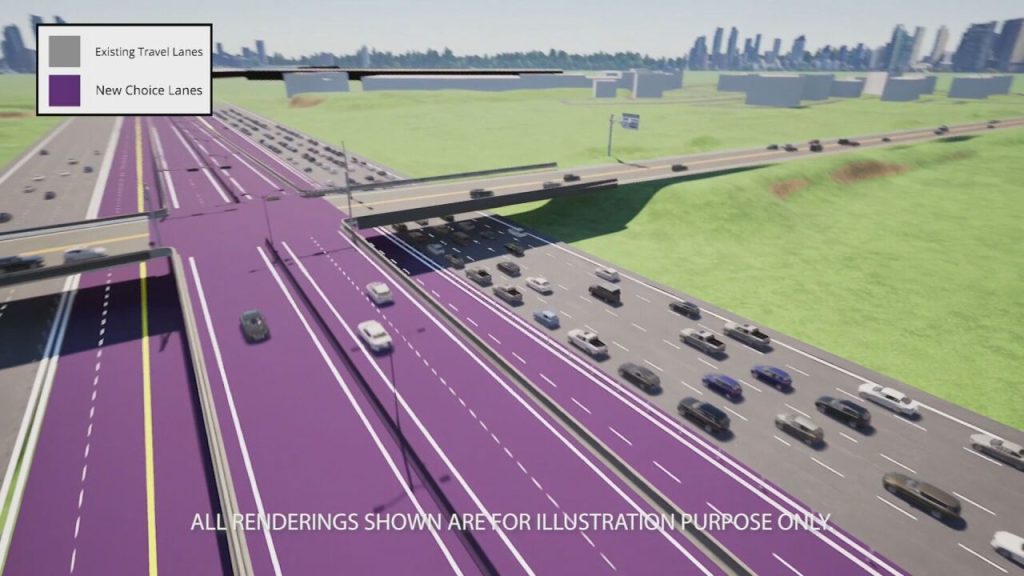
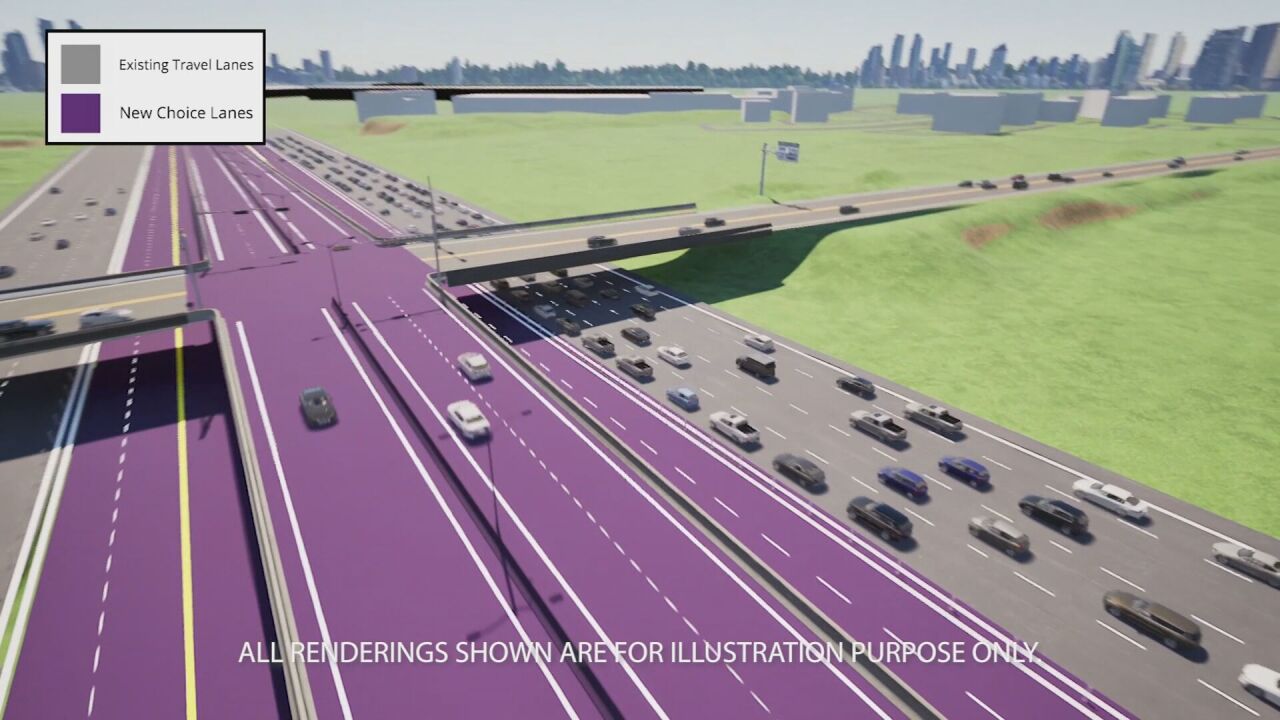
Clemmons calls for attorney general probe into $9.2B I-24 toll lane contract

State Rep. John Ray Clemmons seeks an attorney general investigation into TDOT’s proposed $9.2 billion I-24 toll lane contract.

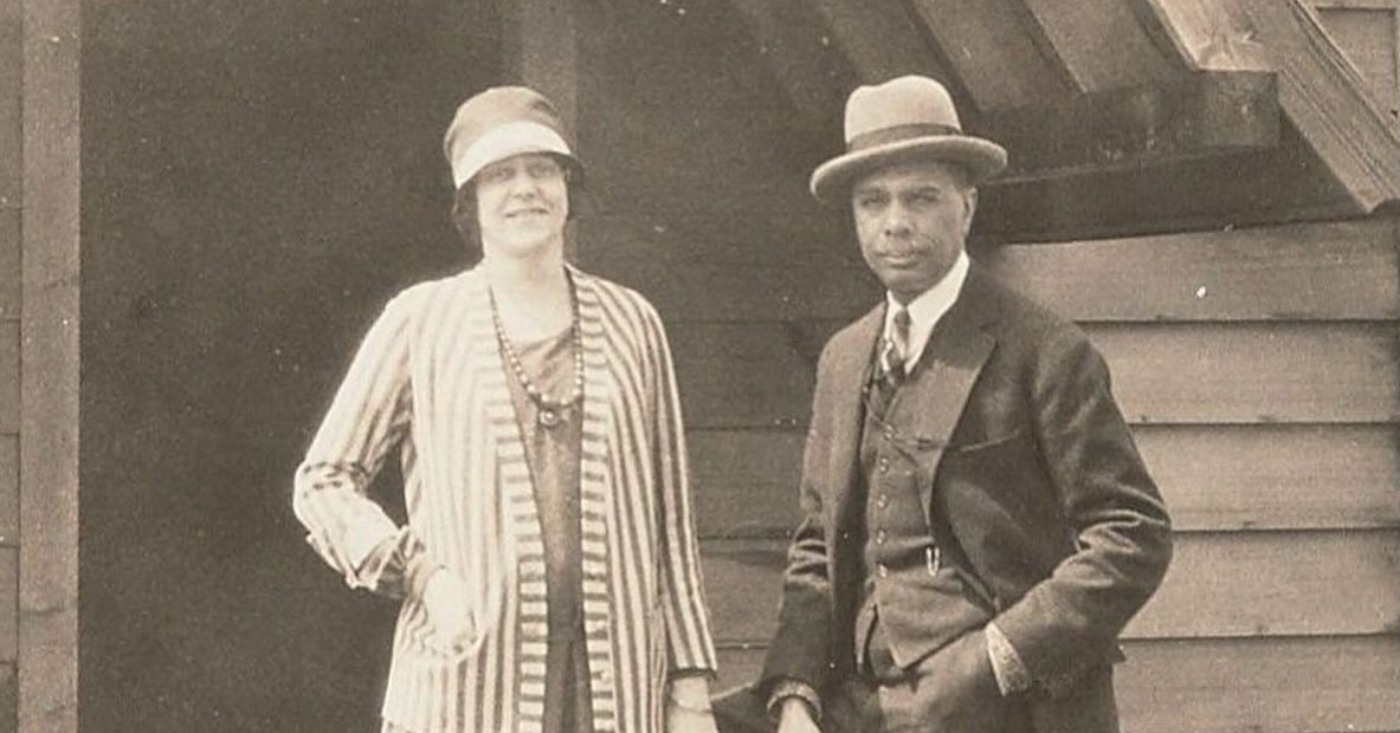
You had me at ‘hello’ —  love and legacy of Grace Nail and James Weldon Johnson

Explore the love and legacy of James Weldon and Grace Nail Johnson, whose activism, writing and preservation shaped Black history and culture.

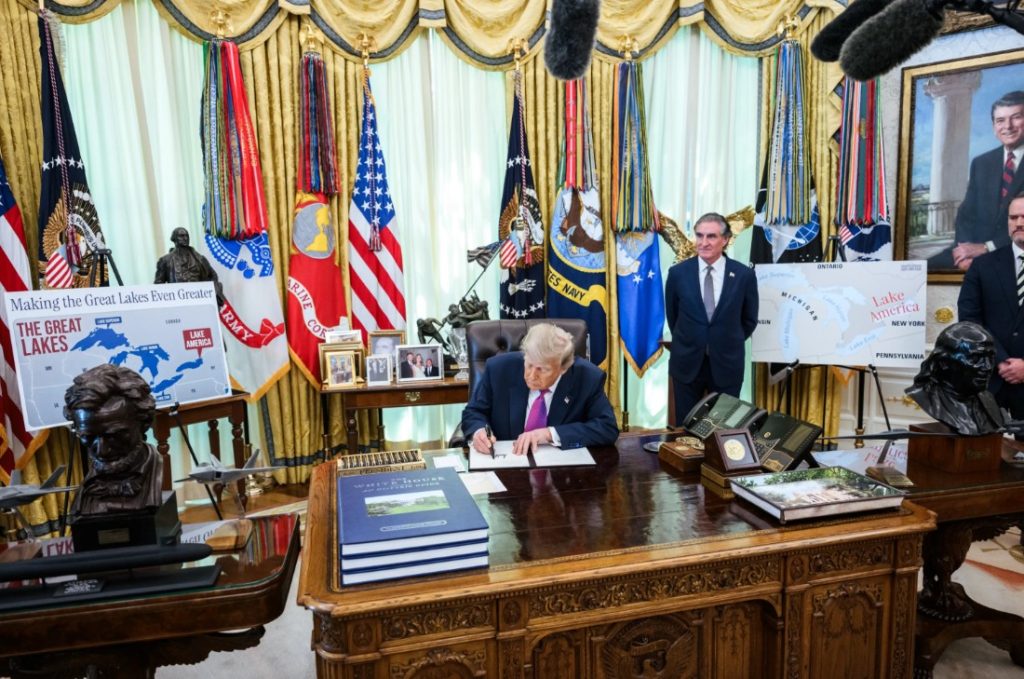
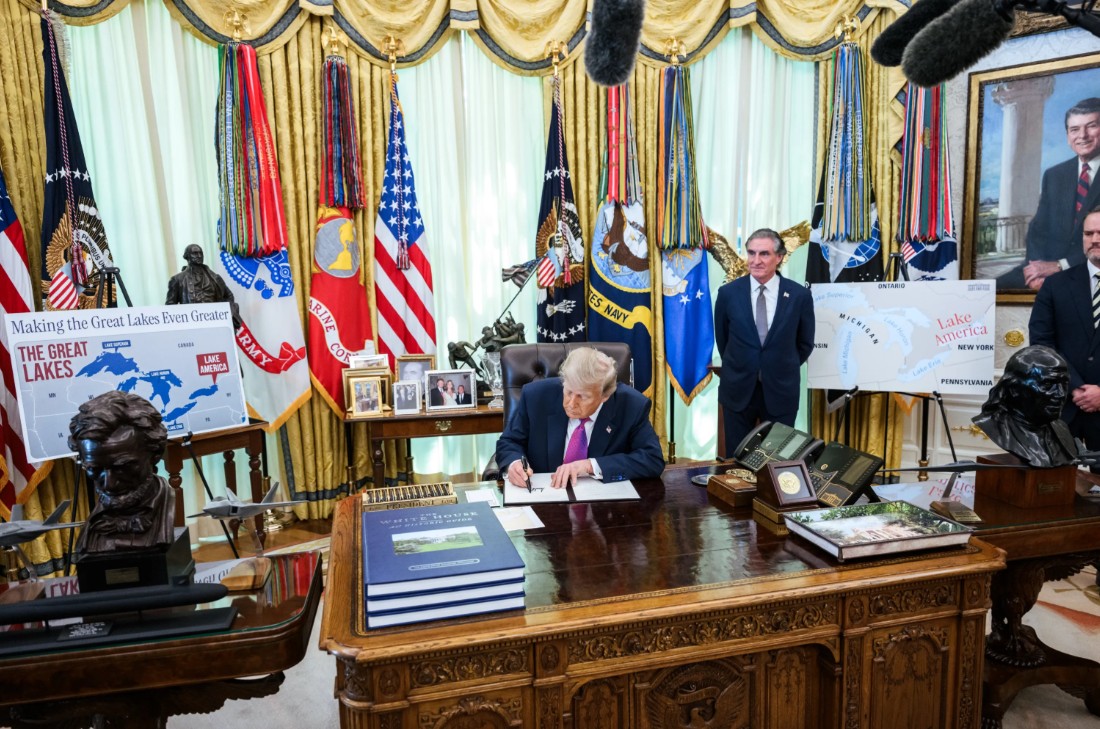
Trump renames Lake Ontario ‘Lake America’

President Trump orders Lake Ontario renamed “Lake America” for U.S. federal use, sparking opposition from Canada and New York.

NAACP, civil rights groups sue to block new USPS mail-in voting rules

The NAACP and civil rights groups sue to block new USPS mail-in voting rules they say could disenfranchise millions of voters.

Immigration decline raises concerns for U.S. workforce, rural communities

A sharp decline in U.S. immigration raises concerns about worker shortages, rural population loss, health care access and local economies.