It happens every year.
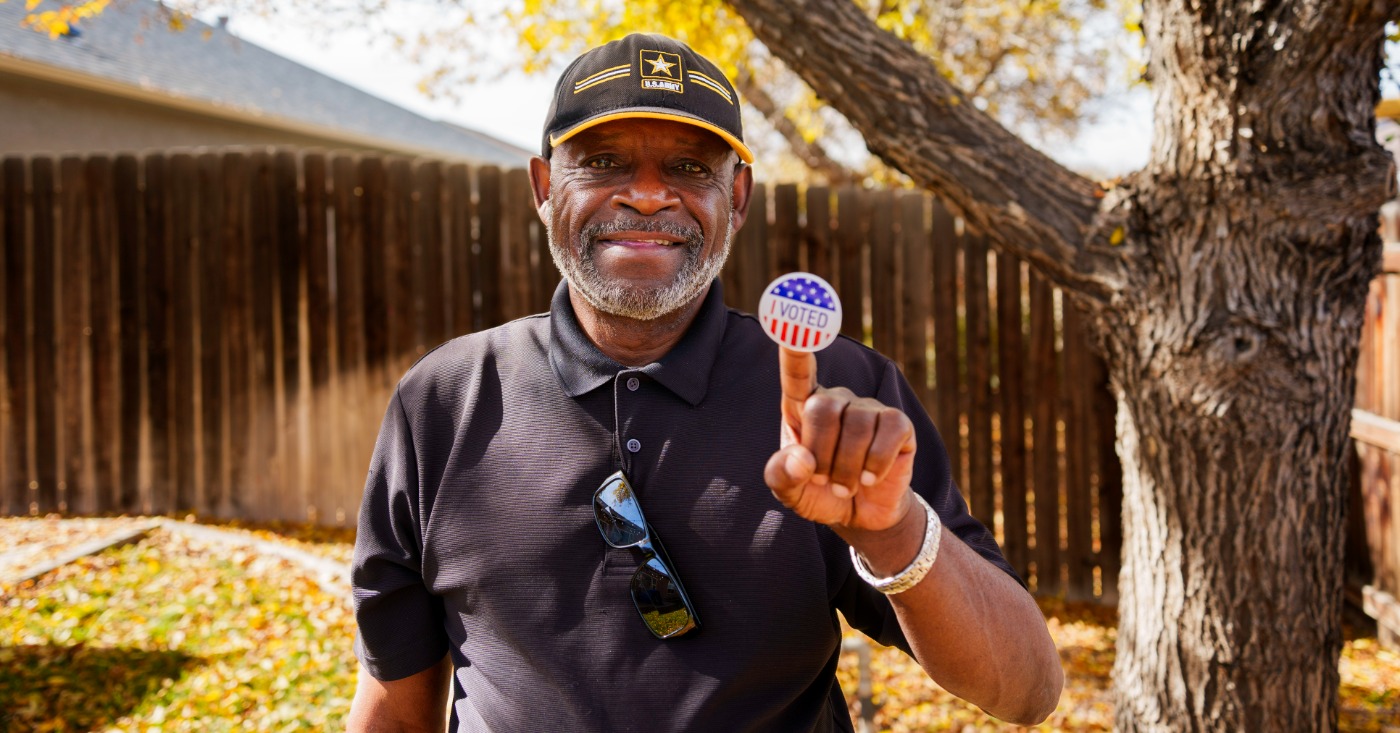
Yard signs infiltrate our neighborhoods and litter our streets, placed by campaign operatives, hoping you not only familiarize yourself with their respective political candidate, but translate that familiarity into a cast vote for that candidate.

Familiarity tends to work, which is why it’s no secret that radio stations play the same songs over and over again. They want that song to grow on you, even if you don’t initially like it.
You often hear people complaining all the time about hearing the same song all the time, but very rarely does a song become popular after one or two listens.
Familiarity is the first step to a song becoming liked, and it is the reason why during election season, radio ads become more frequent, print mailers get sent out in mass quantity to registered voters and television ads are placed during key shows on the network.
It is about familiarity.
One act of familiarity, as it relates to politics, that I’ve always disdained, has been the way political candidates use gimmicks to obtain votes from the Black community.
You know what I’m talking about: chicken dinners, BBQ cookouts, fish plates, steak days, gift cards, air conditioners for senior citizens, etc. All of these gimmicks have, and continue to be used to get people to vote for a particular candidate, yet once they get the Black vote, we don’t hear from them again until the next election cycle.
It always fascinates me the way political candidates scurry around during election season trying to obtain votes so that they stay in elected office, or get elected into office.
Politicians have long been staples in our community.
They visit a church here, do block walks and knock on a door there, kiss our babies, shake our hands, and even give us stuff in order to get us out to the polls and vote.
However, when it comes to developing key, solid policy to help the Black community, many of those same candidates disappear are never to be heard from again until the next election cycle.
Historically, many members of the Black community have treated elected officials as if they are high-profile celebrities. Instead of talking to them about policy, many of us are looking to take a picture with them as if they are a Hollywood star, rather than the public servant that was elected to serve the people.
You know the routine: voters get out to vote, and then there is very little reciprocity from those candidates once they become elected officials.
Think about it for a moment.
When it comes to developing solid policy for the Black community, where is the evidence that we have held elected officials accountable for their failure to do so? I am talking about the elected officials that we continue to elect over and over again, yet they have done very little to educate, equip and inform the Black community about key issues in matters concerning them, nor developed any sound policy that has made a difference.
Ask yourself when the last time one of your elected officials drafted policy or advocated for policies at the local, state or at the federal level, that positively impact you?
Now we may have been invited to a fish fry, steak dinner or community social event, but if you know like I know, the Black community has been short-changed when it comes to advocacy and having policy drafted by many of our elected officials.
The Black community deserves to be treated like a partner in a serious relationship, not some fling on the side, where politicians whisper sweet nothings in our ear in order to get the only thing they really want—the Black vote.
We need policy and we need to stop allowing elected officials, and candidates who don’t win, to make promises to us in order to get our vote; turn around and close the deal (get our vote); and then we don’t hear from them anymore until they need our vote again.
Elected officials are not highly paid Hollywood entertainers.
Elected officials are public servants and we need to stop acting as if they are the hottest celebrity.
The Black community needs to start demanding sound policy and holding these elected officials accountable for being real advocates for their constituents.
The same energy and efforts these elected officials use to get elected, or re-elected, should be the same energy they use when it comes to sitting down with their constituents to understand their needs and advocating for policy that positively impacts the Black community.
If the constituents of these elected officials have not progressed, and are no more advanced as a result of their leadership, it is time to start looking for new leadership.
So again, you can keep your chicken dinners, BBQ cookouts, fishplates, steak days, gift cards, air conditioners for senior citizens, etc.
Give us what we really need: sound policy and advocacy.
(Jeffrey L. Boney serves as associate editor and is an award-winning journalist for the Houston Forward Times newspaper. Jeffrey is a Next Generation Project Fellow, dynamic, international speaker, experienced entrepreneur, business development strategist and founder/CEO of the Texas Business Alliance. If you would like to request Jeffrey as a speaker, you can reach him at <jboney1@texasbusinessalliance.org>.)