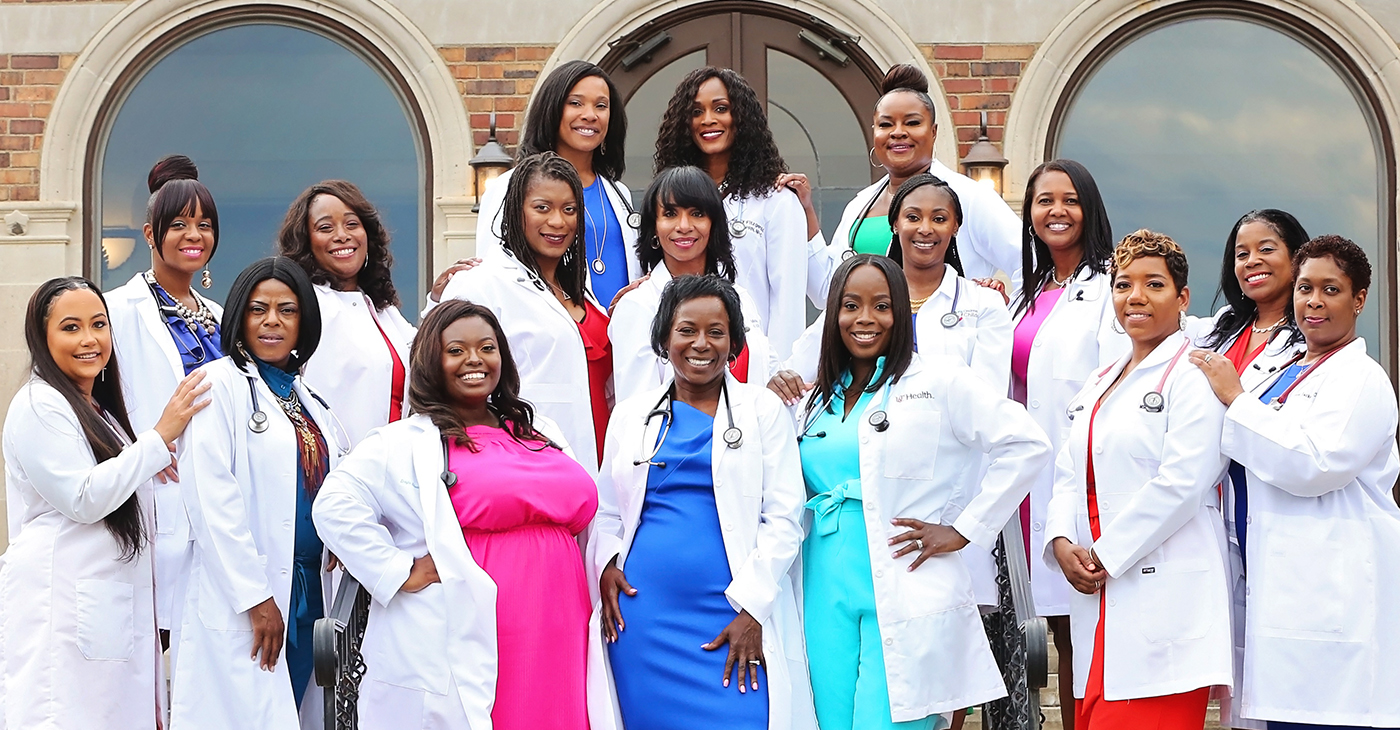
CINCINNATI, Ohio — Cincinnati Black Nurse Practitioners, which represents about 30 female Black nurse practitioners in the Cincinnati area, is seeking an increase in their numbers to better serve local minority communities.
Felicia Beckham, MSN, FNP-BC, RN, said: “The gender/race composition of my profession of nurse practitioners is 93% female, but only 5.7% are Black. Due to the underrepresentation, minorities receive unequal treatment and we are unable to meet cultural needs/demands of our patients, families and communities.

“We have to create a stronger voice to help influence equity and inclusiveness within the healthcare system.”
Thus, Cincinnati’s Black Nurse Practitioners has joined forces to build impactful relationships, empower students and nurses, strengthen its presence in advanced and leadership roles, as well as minimizing healthcare disparities. The organization is inviting the public to Cincinnati’s Black Nurse Practitioner Networking event on Saturday, November 2, from 12-3 pm at Mallard Lakes Townhomes’ Clubhouse at 12100 Lake Circle Drive, in Springdale/Cincinnati, 45246.
An advanced practice registered nurse (APRN) is defined as nurse educated at a master’s or post-master’s level in a specific role and patient population. There are four APRN roles: Certified Registered Nurse Anesthetist (CRNA), Certified Nurse-Midwife (CMN), Clinical Nurse Specialist (CNS) and Certified Nurse Practitioner (CNP).
According to Beckham, the APRN is qualified and trained to assess patient’s needs, order and interpret diagnostic and laboratory tests, diagnose medical conditions, prescribe medication and formulate treatment plans. Nurse practitioners are licensed to take care of patients throughout their lifespan without the direct supervision of a doctor.
“We are essential to meeting the growing healthcare demand in the United States,’’ Beckham said.
Statistics indicate minority ethnicities are underrepresented within the CNP workforce. Gender breakdown of APRNs are 89.5% female, 10.5% male. Racial breakdown of APRNs are 85.7% White, 6.6% African American, 5.8% Asian, 3.4% Latina.
“A diverse nurse practitioner workforce is vital to fulfilling the needs of communities in the most equitable way. To improve the healthcare trajectory of vulnerable populations, understanding the components that impact a patient’s well being is key,’’ Beckham said.
According to Dr. Ramona Benkert, associate professor, College of Nursing, Wayne State University, Detroit, African American patients have experienced unequal and discriminatory treatment, which can result in a cultural mistrust of the provider. When a patient and practitioner’s race/ethnicity/culture align, an environment is created to increase engagement, build trust and improve healthcare outcomes.
“As nurse practitioners of color, we have the opportunity break down barriers to provide inclusive, culturally competent health care services to everyone. As an organization, we can use our collective experiences and expertise to create a stronger voice to influence healthcare,’’ said Beckham.
(Felicia Beckham, Cincinnati native, who is a board-certified Family Nurse Practitioner and author of Diversifying the Medical Field.)