
Grammy Awards Show postponed, Officials Cite Omicron Variant as Reason

The 64th GRAMMY Awards, scheduled for January 31, 2022, have been postponed because of the ongoing pandemic/Recording Academy.

It could be a while before the music artists find out winners in categories like Record of the Year, Album of the Year, and Best New Artist.

The Recording Academy and CBS Television have postponed the 64th Annual GRAMMY Awards Show scheduled for January 31 at Microsoft Theater in Los Angeles.

“After careful consideration and analysis with city and state officials, health and safety experts, the artist community and our many partners, the Recording Academy and CBS have postponed the 64th Annual GRAMMY Awards Show,” the Academy and CBS officials wrote in a statement on Wednesday, January 5.

“The health and safety of those in our music community, the live audience, and the hundreds of people who work tirelessly to produce our show remains our top priority,” the statement continued.

“Given the uncertainty surrounding the Omicron variant, holding the show on January 31st simply contains too many risks. We look forward to celebrating Music’s Biggest Night on a future date, which will be announced soon.”

Clemmons calls for attorney general probe into $9.2B I-24 toll lane contract

State Rep. John Ray Clemmons seeks an attorney general investigation into TDOT’s proposed $9.2 billion I-24 toll lane contract.

You had me at ‘hello’ —  love and legacy of Grace Nail and James Weldon Johnson

Explore the love and legacy of James Weldon and Grace Nail Johnson, whose activism, writing and preservation shaped Black history and culture.

Trump renames Lake Ontario ‘Lake America’

President Trump orders Lake Ontario renamed “Lake America” for U.S. federal use, sparking opposition from Canada and New York.

NAACP, civil rights groups sue to block new USPS mail-in voting rules

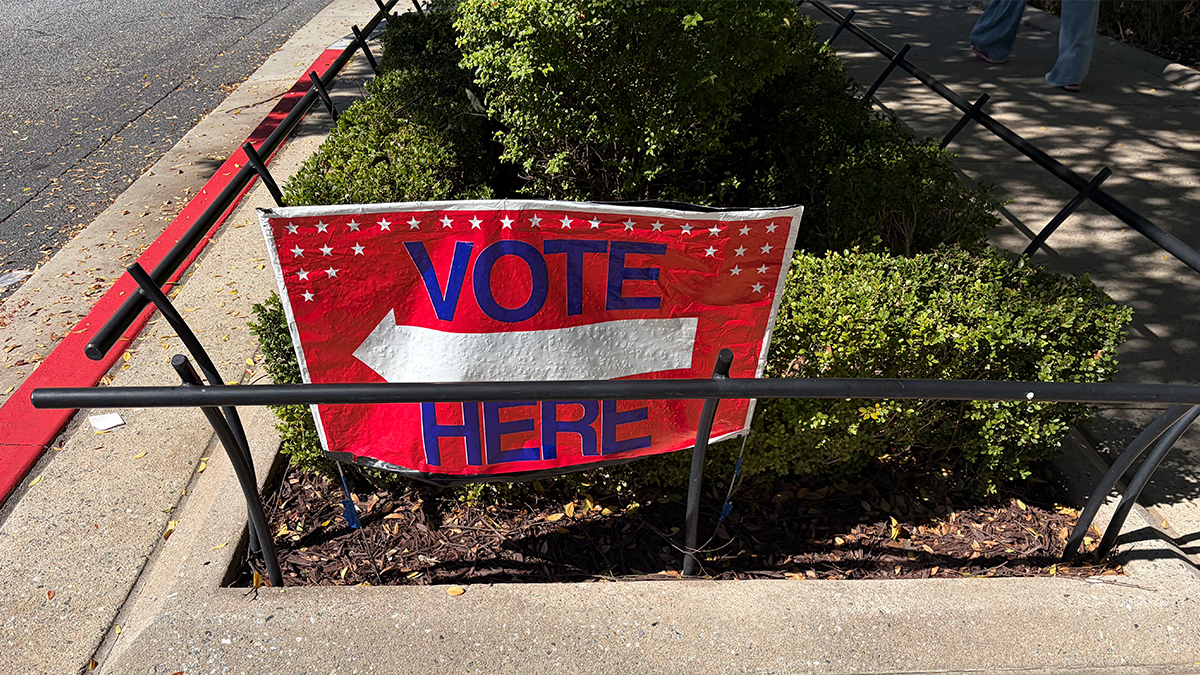
The NAACP and civil rights groups sue to block new USPS mail-in voting rules they say could disenfranchise millions of voters.

Immigration decline raises concerns for U.S. workforce, rural communities

A sharp decline in U.S. immigration raises concerns about worker shortages, rural population loss, health care access and local economies.