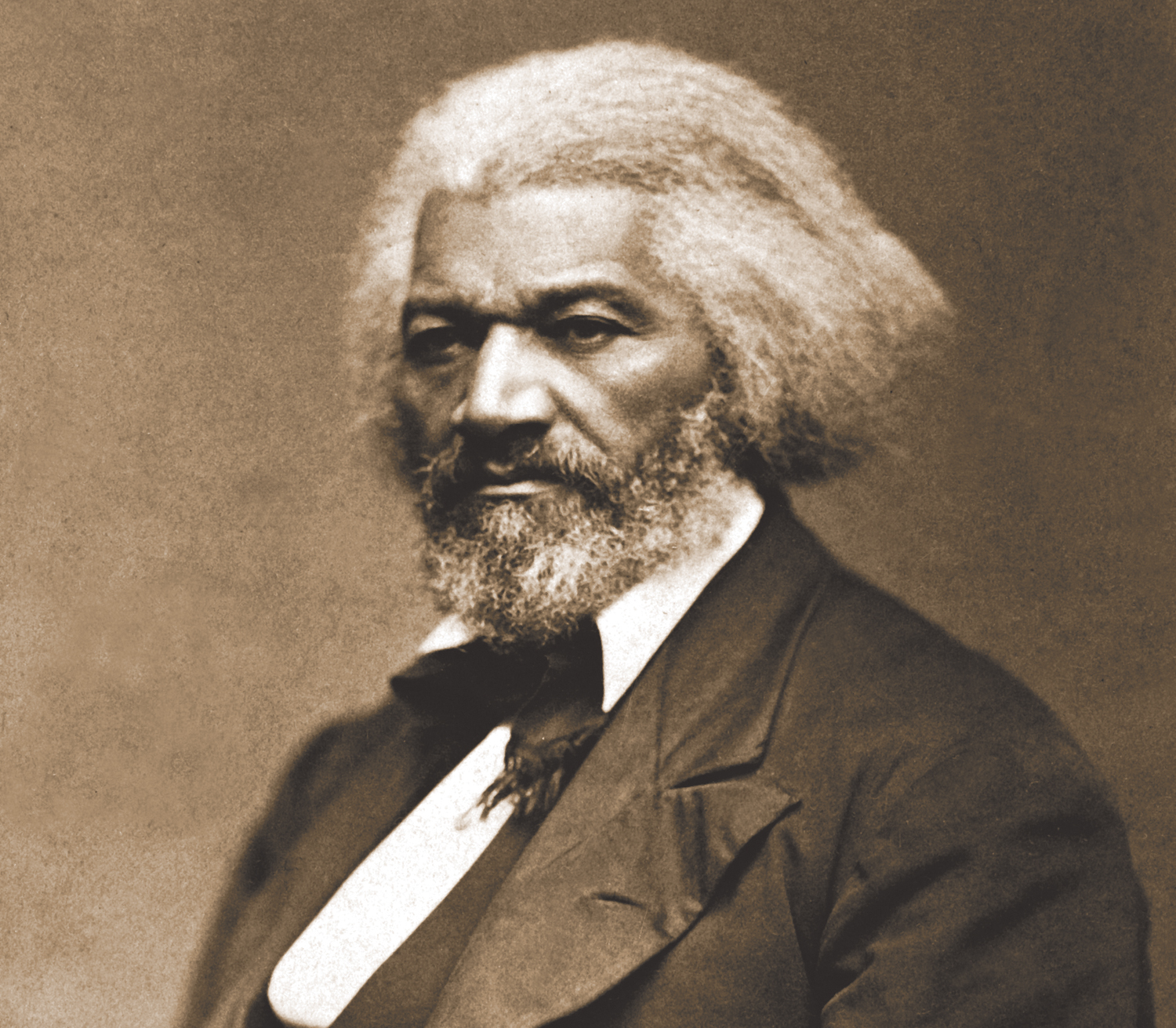
“What to the Slave is the Fourth of July” posed Frederick Douglass to a gathering of 500-600 abolitionists in Rochester, N.Y., in 1852. Admission to the speech was 12 cents, and the crowd at the Rochester Ladies’ Anti-Slavery Society was enthusiastic, voting unanimously to endorse the speech at its end. Douglass gave it on July 5, refusing to celebrate the Fourth of July until all slaves were emancipated.
“This Fourth [of] July is yours, not mine. You may rejoice, I must mourn,” said Douglass then. “Hope is much needed, under the dark clouds which lower above the horizon.”

Douglass delivered these words to abolitionists in the wake of the Compromise of 1850, a package of legislation that, among other things, amended the Fugitive Slave Act. From Douglass’ point of view, the Compromise — which obliged citizens, including residents of the Northeast, to return fugitive slaves to their owners — equaled a nationalization of slavery. He hoped to inspire others to rise up in political resistance.
Douglass used rhetorical questions that created a distinct separation between the slaves and freemen of the United States; the use of repetition of important phrases left a clear and concise impression on the listener, while using the logic and credibility of the Bible to communicate claims.
In light of the recent Dobbs v Jackson Supreme Court decision in overturning Roe v Wade, Douglass’ sentiments may be viewed as still relevant and pertinent today. This decision joins Dred Scott among the worst delivered by SCOTUS.
“A devastating decision,” said a release from the National Urban League. “The Supreme Court has snatched away a fundamental right from more than half our nation’s citizens. Let’s fight back together.”
Scholars have long noted that the main points in Douglass’ oration are as follows: “The blessings in which you this day rejoice, are not enjoyed in common. The rich inheritance of justice, liberty, prosperity, and independence, bequeathed by your fathers, is shared by you, not by me. The sunlight that hath brought life and healing to you, has brought stripes and death to me.”
Sound familiar? According to an article in The Root: “3 liberal justices — Sotomayor, Kagan, and Breyer — were quick to dismiss the argument that folks who need care can just go to states that allow abortion. The impact of this ruling will be sweeping, but the liberal justices were quick to point out that poor and Black Americans will lose out the most.
“Above all others, women lacking financial resources will suffer from today’s decision,” wrote the liberal justices, which in the United States, are disproportionately Black and Indigenous women. Justices pointed to data looking at the impact of losing Roe on maternal mortality rates.
Over half of all Black Americans live in the south where the majority of the states who have passed trigger laws, which will immediately ban abortion, are located. And experts at the Brookings Institute, expect that these bans will have an outsized impact on Black women’s poverty levels, educational attainment, and health.