

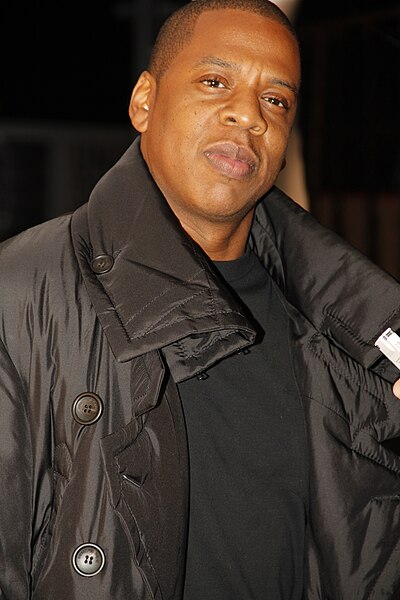
In the hallowed chambers of New York City’s legislative realm, a proposal has surfaced that could forever alter the way we perceive civic celebration. Farah Louis and other council members have proposed legislation to declare December 4 as ‘Jay-Z Day’ in honor of Shawn Carter, the man who would later become a global phenomenon. While the intent is to honor Jay-Z’s cultural contributions, it forces us to confront a disconcerting trend that has seeped into the very fabric of our political landscape: the fervent embrace of celebrity culture.
Jay-Z, undeniably a cultural juggernaut, has made quite a mark on music, business, and some of the social causes he’s undertaken. However, the potential establishment of a dedicated day in his honor symbolizes a larger issue at play: a society where the boundaries between genuine recognition and celebrity worship are increasingly blurred. The question that looms is whether the nation’s political leaders, those entrusted with the serious business of crafting laws and policies, should be actively courting the favor of celebrities.
In the aftermath of Watergate and the Vietnam War, political scientist Scott Edwards lamented the shift away from the heroic political figure. Edwards argued that democracies require civic exemplars whose principled strivings serve as models for the average person. Fast forward to today, and we find ourselves in an era where politicians are not only courting celebrity endorsements but actively seeking approval from the glitzy entertainment world.
The erosion of American democracy has also given way to a culture of celebrity appeasement. The proposed Jay-Z Day is emblematic of this trend, where recognition is bestowed not for political prowess or principled leadership but for well-knownness. The danger inherent in this shift is palpable, as surveys indicate a growing belief among Americans that celebrities make good politicians.
Dwayne ‘The Rock’ Johnson, Matthew McConaughey, Zendaya, and Beyoncé (names that routinely grace our screens) are now considered for political leadership. However, their appeal lies more in their celebrity status than in any demonstrated understanding of policy intricacies. The danger becomes even more apparent when we consider that politicians, instead of delving into the complexities of governance, are bending to the whims of fame.
We stand at a crossroads where the allure of celebrity has infiltrated the very essence of governance. The desire to gain favor with well-known people increasingly influences decisions that affect citizens’ lives. It’s a perilous path where celebrity status triumphs over experience, wisdom, and a genuine commitment to public service.

As we contemplate the potential establishment of Jay-Z Day, politicians and everyday people should not merely celebrate cultural icons but critically assess how far Americans have strayed from the ideals that should define leadership. After all, shouldn’t lawmakers resist the allure of celebrity, prioritize substance over spectacle, and reclaim a political landscape where true heroes are those dedicated to the service of the people, not those merely basking in the fleeting glow of the limelight?
In the grand tapestry of democracy, leaders are supposedly chosen for their substance, not just their celebrity status. Jay-Z Day should prompt a reflection on the kind of leaders Americans should want: either individuals who embody the principles of governance or merely revel in their name’s well-knownness. The choices made will shape the future of American democracy and determine whether people set their priorities straight or continue down a path where fame eclipses substance.