


by Dr. Barbara Reynolds
<TriceEdneyWire.com> — Sometimes things make so much sense, it is difficult to comprehend why they have never fully happened before or why this just might be the time when it does. Certainly, organizing the poor, the neglected majority in this nation easily comes to mind.
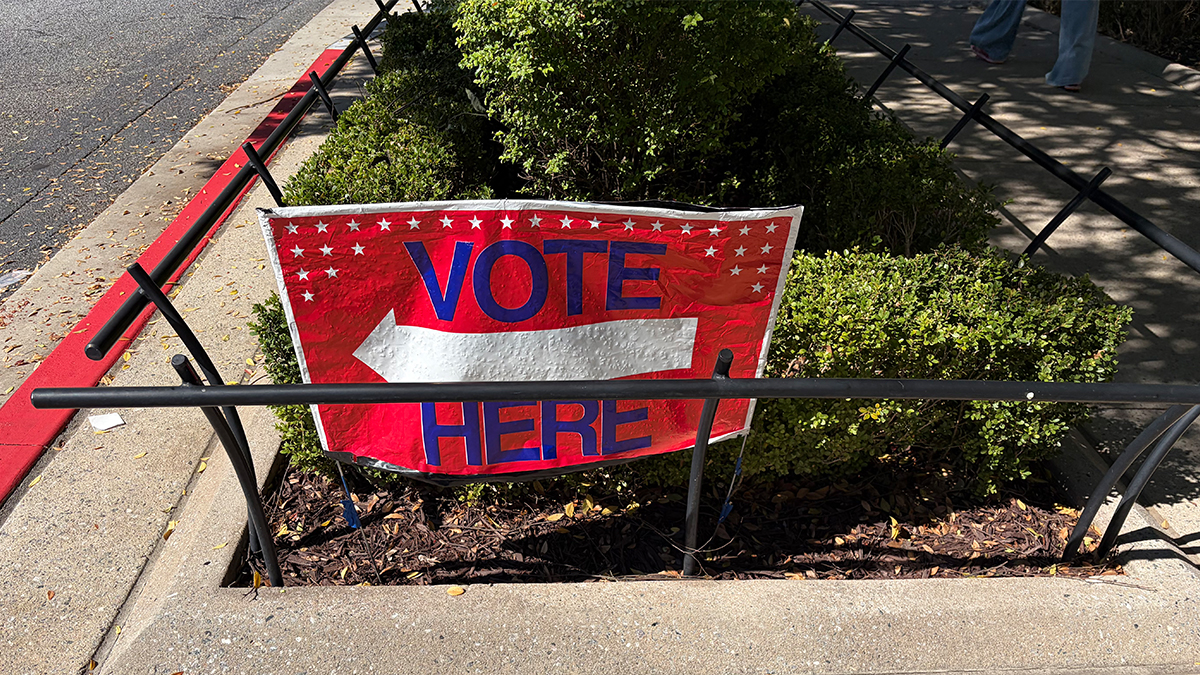
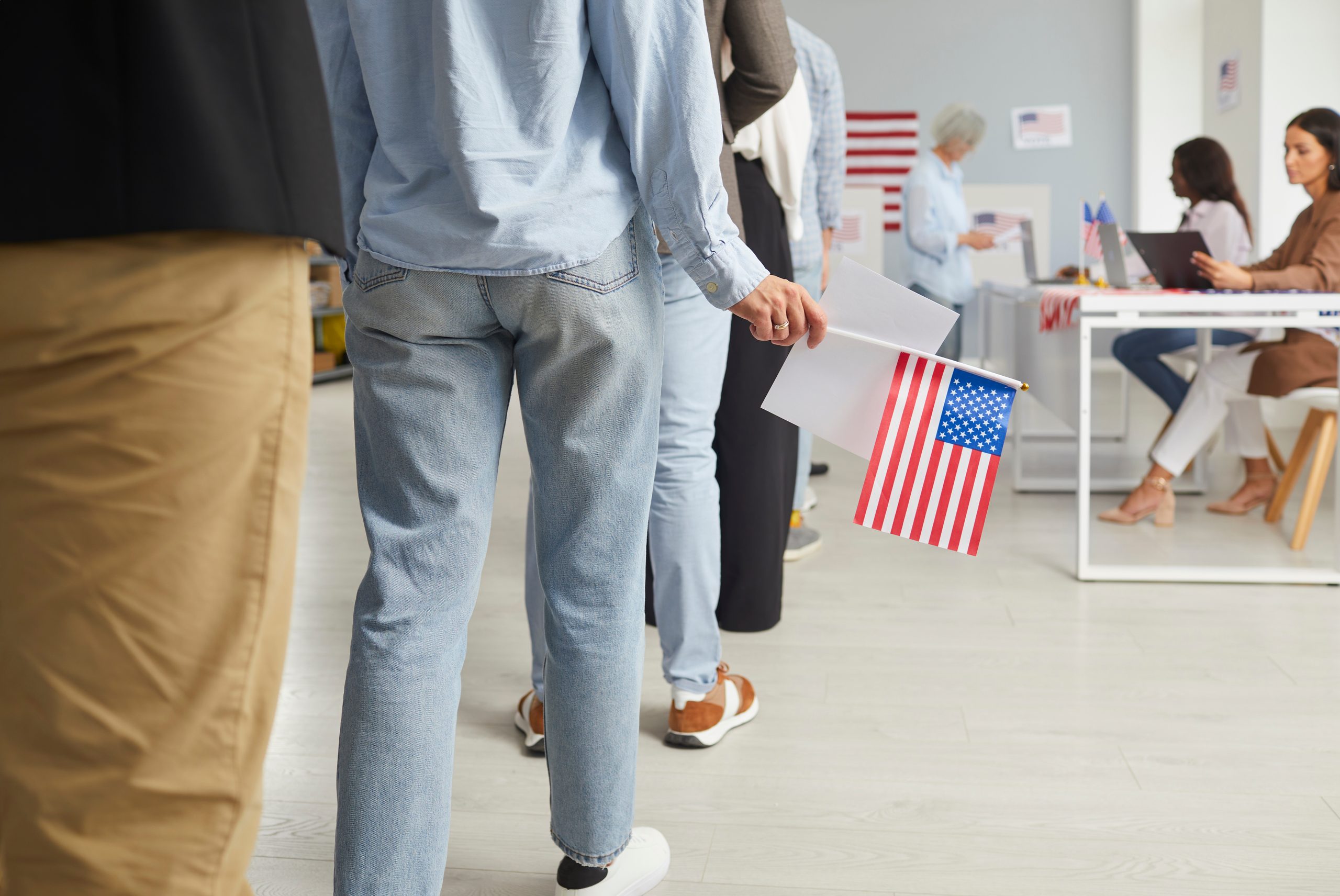
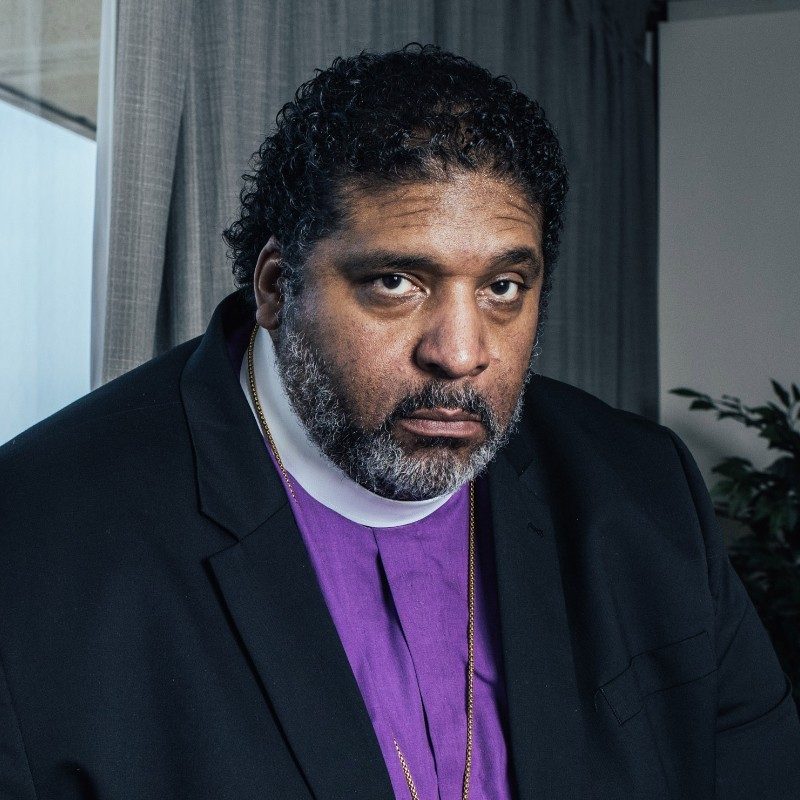
Rev. William Barber II recently laid out plans to revisit mobilizing poor and low-income voters to become a powerful force for change in future elections. His national call for a Moral March on Washington and to the polls is scheduled for Saturday, June 29, in Washington D.C.
In a packed house address in the nation’s Capital, the activist leader inspired supporters by stressing the miraculous consequences that could come from just 20% of poor and low-income voters who didn’t vote in 2020 going to the polls this year: “We would have the power to sway elections in every state.” He pointed out that one third of the electorate, 85 million people, are poor or low income.
When you think about it, the poor and low wage workers qualify as a suffering, neglected majority, a sleeping giant. Among them are those suffering from inadequate health and housing options, e.g., families where one in six of the children in this country are often hungry; the 105 million people who do not have paid family and medical leave; a third of the workforce or 52 million people who earn less than $15 an hour; the seven million who were behind in rent or housing payments in December, 2023; and the 46 million who don’t have access to safe drinking water.
In his remarks, Barber stressed that the call for moral and political revival crosses the barriers of race, gender, blue states, red states, young and old. To him, the crisis affecting the poor and low income has become so egregious that traditional barriers can be overcome.

If that is true, then why are marginalized people not voting their strength? Barber believes a key factor comes from politicians and political campaigns not speaking to their issues. He told me: “Not one of the 15 presidential debates in 2020 devoted even 30 minutes to poverty, the fourth leading cause of death in the U.S.A., even though long term poverty claims 295,000 lives annually more than homicide, gun violence, or diabetes.’’
He reminded that an often heard complaint about how political monologues about democracy or dictatorship often do not connect to those living in daily crises. The concerns he said that should be addressed are the seven million people on the edge of eviction; the estimated 600,000 people living in chronic homelessness; the lack of job training for the millions that artificial intelligence will claim their jobs; and how much needed food stamps have recently been cut or abolished for low income people, especially seniors.
Another major issue, he cited, is how the Poor People’s campaign continues its work on voter rights, with Rev. Jesse Jackson, who has joined him on voter drives with his Rainbow Coalition, which elevated many neglected voter blocs through his run for president. “We are living in a moment when 49 states have filed over 400 voter suppression bills; 17 states have passed voter restrictions since 2020. And we see the connection between this attack on voting rights and all the other issues that impact the 140 million poor and low-income people in this country.”
Barber stresses that his movement is committed to non-violence and underscores the need for a resurrection of justice, love, and truth—not an insurrection of injustice, lies and hate. His moral revival has been backed by 25 coalition members, including the National Council of Churches, which represents 38 member communions and over 40 million individuals—100,000 congregations from Protestant, Anglican, Orthodox, Evangelical, historic African American, and Living Peace traditions such as the Kairos Center for Religion, Rights and Social Justice, the Transformation Justice Coalition and Black Women for Political Change.