

With the 2024 presidential election just two weeks away, early voting is surging nationwide as both parties make their final push to secure crucial ballots. Early voting data has begun to shed light on which states might see the most significant shifts—and, in some cases, repeat the razor-thin margins of 2020. While Independent and other voters are mostly excluded from the figures, pollsters warn that party affiliation doesn’t necessarily determine who early voters are casting their ballots for.
National Early Voting Trends: Key Battlegrounds in Focus
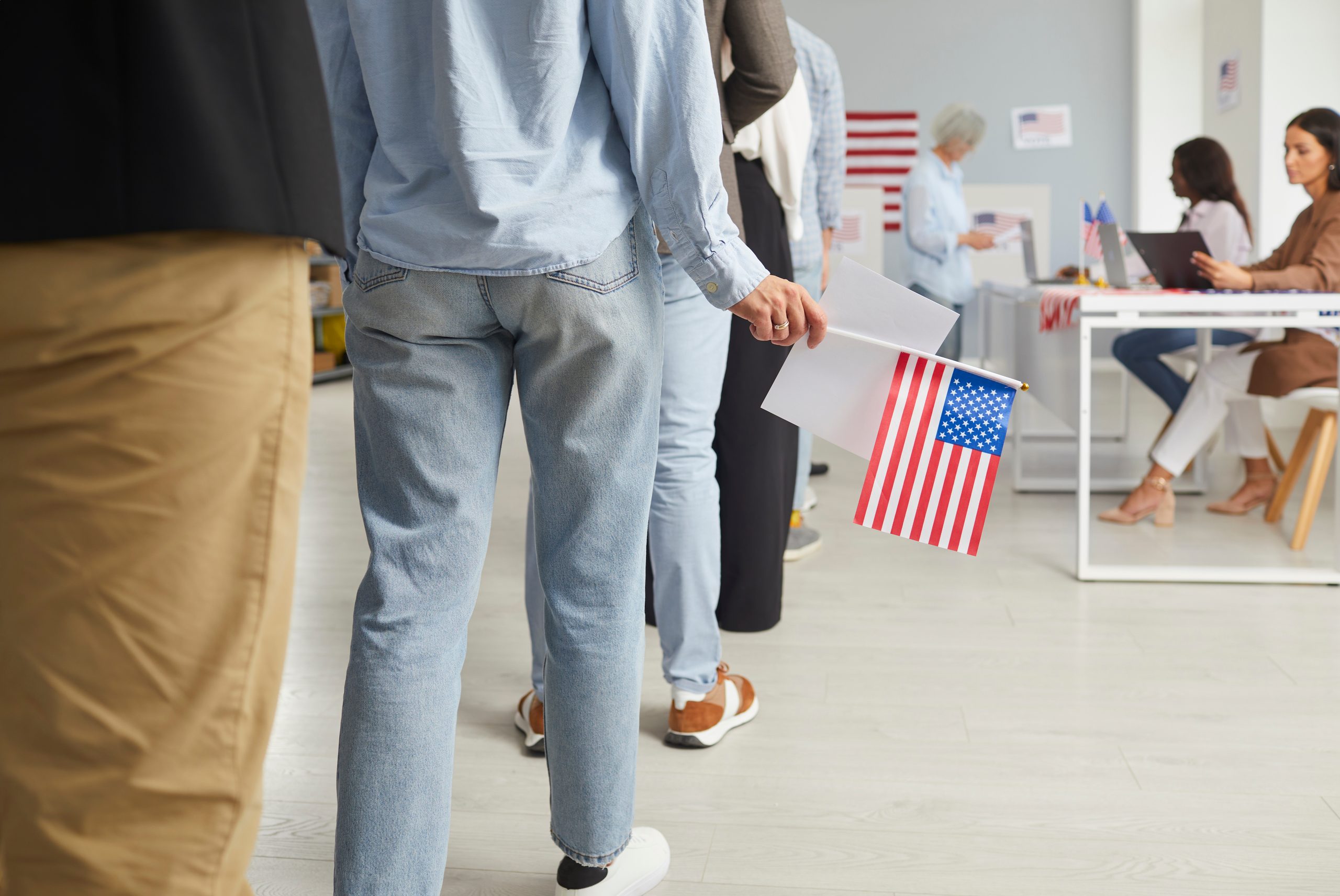
Across the nation, more than 15 million mail-in and early in-person votes have already been cast. Among these early votes, 46% come from registered Democrats, 36% from Republicans, and 18% from other parties. The early voting push comes as Vice President Kamala Harris’s campaign encourages Democratic voters to take advantage of mail-in and early voting to lock in ballots well before Election Day, countering the traditionally lower early voting rates among Democratic voters in past elections. Despite initially criticizing early voting, the twice-impeached former President Donald Trump’s campaign has urged Republicans to vote early, apparently recognizing its critical role in battleground states.
In Georgia, where Biden narrowly defeated Trump in 2020, early voting has seen 1,691,298 ballots cast so far. The partisan split is tight, with 49% from Republicans and 46% from Democrats, reflecting how crucial the state remains in the 2024 contest.
Wisconsin, another battleground where Biden edged out Trump in 2020, has seen 326,124 early votes, with Democrats accounting for 40% and Republicans just 19%. In Michigan, where Biden won by a margin of 50.6% to 47.8% in the last election, 1,031,654 early votes have been cast, with 54% from Democrats and 36% from Republicans.
Pennsylvania, pivotal in Biden’s 2020 victory, has already seen 921,720 early votes, with 64% from Democrats and 27% from Republicans. Nevada, another state that helped seal Biden’s win in 2020, has logged 247,738 early votes, with a breakdown of 40% Democrats, 35% Republicans, and 25% from other voters.

The Toss-Up Nature of the 2024 Election
Polling data, including a Washington Post-Schar School survey, shows that Harris and Trump are locked in a dead heat, with each receiving 47% support from registered voters. Among likely voters, Harris holds a slight 1-point lead at 49%, compared to Trump’s 48%. This trend mirrors the tight electoral battles seen in these battleground states, where margins of victory could come down to just a few thousand votes, as they did in 2020.
“I think this election will break at the end,” veteran Democratic strategist James Carville stated. “Someone will carry the swing states, and that will decide it,” Carville said, adding, “Whoever breaks those states 5-2 or 6-1 will not only take the presidency; they’ll likely do well in the House and Senate too.”
The Shadow of Project 2025
While much of the focus is on the election itself, the looming influence of Project 2025, a Heritage Foundation initiative to reshape the federal government, has garnered attention. The initiative, which has strong ties to Trump’s first administration, is conservative in ideology. Despite Trump’s claims that he has no connection to the project, analysis has revealed that well over half of the 307 authors and contributors to the “Mandate for Leadership,” the document guiding Project 2025, served in Trump’s administration or during his campaign.
The policy proposals outlined in Project 2025 aim to overhaul key aspects of the federal government, including dramatically reshaping regulatory frameworks, reducing the size of government, and reversing many policies implemented by the Biden administration. Critics have pointed out that the project could significantly alter how federal agencies operate, and its influence could expand should Trump return to the White House.
“This race is a long way from decided,” added Carville, who noted he has “a feeling” Harris will win. “But one thing’s clear—whoever breaks those states is going to take the presidency.”