by Ty Jones
Many people take the stand that violence should never be used to combat violence—believing it only breeds more violence, and as some believe, corrupts the moral center of a liberation movement. However, history has endlessly chronicled that the ruling class only wakes up to how they exploit the working class when the threat of violence is on the table. Those who find this idea abhorrent, feel free to sit this one out. For those still with me, as the young folks say—L.F.G!
I would argue that the reaction to the death of the UnitedHealth CEO Brian Thompson was not joy, but the release of years of rage at the policies and ruthless exploitation embedded in our for-profit healthcare system. And rather than just debating whether Luigi Mangione was right or wrong, part of the equation should be: Is his choice the only way?
This is where theatre comes in.
Specifically, I’m speaking to those in the ‘working class’ realm of theatre—those without permanent spaces or endowments but with the ability to engage communities. Imagine if theatre could be a vehicle to challenge the exploitation of the American healthcare system without resorting to violence, yet still have an uncompromising impact on universal healthcare.
How? Young theater makers, you need an audience. Healthcare in the U.S. affects everyone, across class and political lines. Reach out to your communities (local Facebook groups, neighbors, civic organizations) and ask them to share their healthcare horror stories. Record them. Write them down. Meet with them in person.
Gather 10-12 stories and find a venue to present them. If possible, have actors perform these stories. The people who share them will invite others, ensuring engagement is high. Start small, but be consistent: weekly if possible. Capture videos and photos to spread awareness.
Once momentum builds, invite local politicians. Research their campaign contributions. Are they taking money from Big Pharma? If they aren’t, seeing their constituents’ stories may keep them that way. If they are, public accountability will pressure them to reconsider. Storytelling has the power to change minds, policies, and futures. If a politician continues to take Pharma dollars, let them know their constituents (the audience you’ve organically built) will rally to vote them out.
Some theatre practitioners have organized national performance movements, where artists across the country present work on the same day. Imagine a nationwide theatrical event dedicated to a singular conversation about universal healthcare—with thousands of contributors.
Theatre today is often focused on identity and hyper-individualism. However, those individuals all need healthcare too. This is a moment to shift attention outward and serve something bigger, something necessary.
Violence has a place in progress, though it often breeds more violence. History is filled with evidence of what happens when an unarmed minority faces an armed majority. Yet sometimes, when you bring a knife to a knife fight, people may actually lay down their arms in the interest of progress. The pen can be as mighty as the sword, if we dare to wield it for historic change.
Fate vs. free will. It’s the human condition. For thousands of years, theatre has sparked conversations on community maintenance. It serves as a mirror up to nature, reflecting our hopes, fears, and complexities, including rage. I am persuaded that we can lay down our arms and use language, storytelling, and collective action to spark substantive, lasting legislative change.
Remember, employ patience. It’s the type of marathon where a baton is passed on. So, L.F.G!
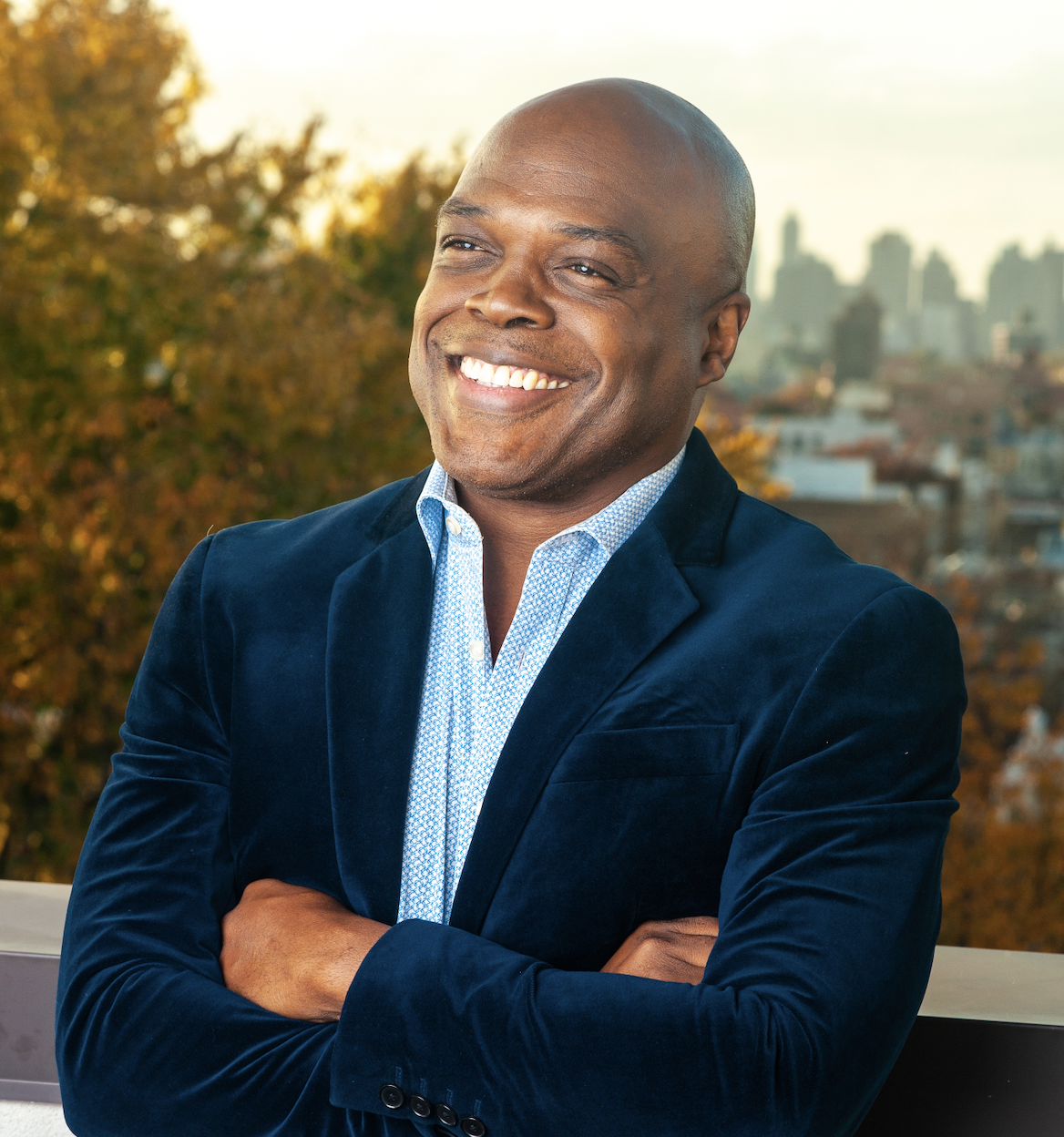
(Ty Jones is an OBIE Award and NAACP Award winner and the ‘producing artistic director’ of the Classical Theatre of Harlem [CTH].)