by Kimberly Douglas
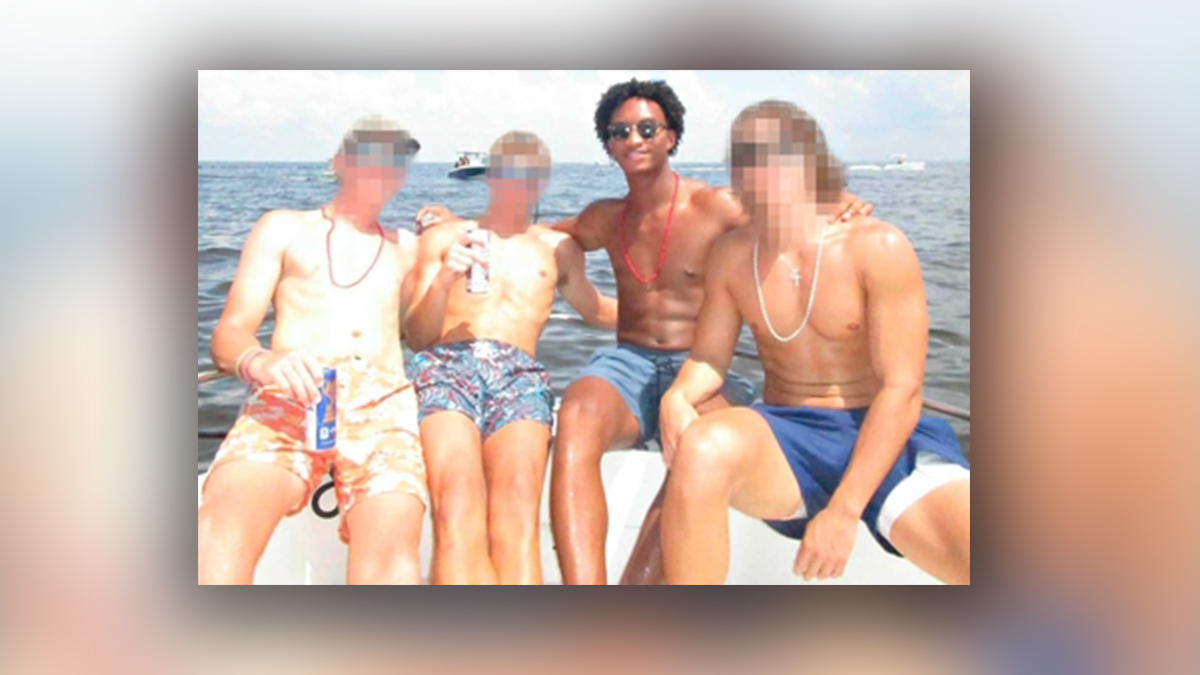
BOWIE, Md. — Nearly two years ago, I lost my 17-year-old son, Bryce, to a drug overdose. Now, I search for other mothers who have lost their children. Talking helps relieve the hollowness left by this loss. But it’s difficult to find other Black mothers willing to acknowledge and share their grief. Frequently, we (Black women) are celebrated for our resilience, strength, and ability to overcome adversity. But this has been a lonely journey.

Losing Bryce to a drug overdose created a profound and unimaginable grief, a permanent ache, and a gaping hole in my heart. It’s compounded by guilt, regret, and so many unanswered questions. The pain extends beyond Bryce being gone to the dreams and future that will never be. His memories are bittersweet, always tinged with envisioning what could have been for my son. I struggle to make sense of how and why this happened while grappling with the societal stigma. Internalizing the blame is too isolating, which is why I am constantly seeking to draw strength from other Black mothers confronting this horrible ordeal.
I grew up in a middle-class family in a Maryland suburb of D.C. My mother was an executive assistant at Pepco, and my dad was a dental technician. Our parents gave my sister and me a nurturing upbringing: dance classes; gymnastics; cheerleading. At their urging, I went to college, earning a bachelor’s degree in mass communications and later a master’s in organizational communication. I have worked for various organizations, including 17 years as senior director of finance and operations at the non-profit Democracy Alliance. I raised Bryce and his older sister as a single mother, and we were a close-knit family. Bryce remained close to his childhood friends, but he had a girlfriend in high school that led him to a different group. That’s when he started experimenting with drugs. I tried to get him counseling and treatment, but it was never quite enough. He overdosed in his room with naloxone, which could have saved him, in his pocket.
In the aftermath, it’s clear that Black families are not comfortable addressing substance use and mental health because of the stigmas. Our instincts are to sweep it under the rug like they never happened. But it must stop. We need to open up. And Black women need to talk to each other to help each other. Our voices are powerful, and our narratives can impact others if shared. Let’s break the silence together.
Recently, I was on a support group call. I was the only Black mother there. We talked about the different issues around shame and guilt. And one of the fathers said he had no shame around this issue. He finds solace in hearing other people’s stories and is in community with others. But I long for that togetherness because it has been hard to find other mothers to connect with who look like me. I have started a Facebook group, Black Moms Against Overdose, seeking a safe place for Black families whose loved ones overdosed. This group is specifically for Black mothers who have lost children to drug overdose, providing a space for us to share our experiences, support each other, and work towards healing.
This has been a daily struggle for me. When Bryce first died, some family members advised me not to share Bryce’s story. But talking about it has been healing for me, and I think it would help other Black women to talk about their losses. I have connected with two Black women, one who lost a child to gun violence and another who lost a child in a car accident. It has helped. But honestly, the loneliness that I feel, having lost my child to a drug overdose, is just like nothing else. I frequently find myself trying to bond with White women dealing with the loss of a loved one to drugs. I long for the connection with other Black mothers who understand this unique pain.
I do draw strength from them. But losing a Black child to a drug overdose is much more stigmatizing for us than it is for them. It goes back to the War on Drugs, where Blacks were profiled, arrested, and received harsh penalties for crack cocaine, while Whites got lighter sentences for their cocaine use. Black people were stigmatized. I feel like that’s where I’m at in this moment. Some families frequently defuse their loss by labeling it drug-induced homicide and blaming the suppliers. It just seems that Black children, even the victims like Bryce, are routinely viewed as dope dealers and sellers. We need systemic change in the perception of drug overdose victims, particularly in the Black community, to address this stigma that is holding us back once again.
I am hanging on. But it has been the biggest trial of my life. I will never be the same person that I once was. My pastor has emphasized that Black parents must understand the dangers of what’s going on and discuss it with their children, because the messages are not getting through. When I first heard about fentanyl, I mentioned it to Bryce a couple of times and warned that he had to be very careful because it is in everything.
I am participating in a campaign by Vital Strategies to urgently increase awareness of the need to make naloxone, the life-saving medication, more accessible in Black communities. The You Have the Power to Save Lives campaign is running in seven U.S. cities: Louisville, Ky.; Durham, N.C.; Milwaukee, Wis.; Newark, N.J.; Albuquerque, N.M.; Philadelphia, Penn.; and Detroit, Mich. At the core of this campaign are personal stories, like mine, of individuals directly affected by overdose deaths. I hope it can make a difference.
Working on initiatives like this helps me focus my energy on saving lives. But what I need are Black women to commiserate with, to share our pain and suffering, and band together to overcome our challenges. Your support is crucial, and your presence is deeply valued.
Of course, what I want most I can’t have. Bryce isn’t coming home.