When it comes to financial services, many consumers are surprised by the range of fees attached to their transactions. From mortgages to checking accounts, credit cards and more, regulations for these products establish the ‘rules of the road ’for consumers and creditors alike.
Yet one financial product with growing popularity has no comparable consumer protection: prepaid cards.

For example, if a consumer has an account with a bank or credit union their monies are federally insured by the Federal Deposit Insurance Corporation (FDIC) up to $250,000. Even when employers use prepaid cards for payrolls or when government benefits are issued on these cards, consumer protections are lacking.
Moreover, when fees are attached to worker wages and public benefits payments, consumers are left with no legal redress.
With each card issuer also setting its fee schedule and assessments, multiple added costs for usage can widely vary. Fees can include some or all of the following typical transactions: ATM cash withdrawal, balance inquiry, bill payments, card cancellation, inactivity, monthly usage, replacement of lost or stolen cards, and overdraft fees.
According to FDIC, the largest users of prepaid cards include 25 million unbanked consumers and an additional 68 million who are under-banked, preferring these cards or other alternative financial services to traditional institutions.
The term ‘unbanked’ describes consumers who have no existing relationship with a traditional financial institution such as a bank or credit union. ‘Under-banked’ consumers have such a relationship but turn to a range of alternative financial services for most of their personal financial transactions. Unbanked and under-banked consumers are also disproportionately consumers of color: Black, Latino, and Native American.
The combination of growing prepaid usage and lack of financial regulation has caught the attention of the Consumer Financial Protection Bureau (CFPB). In remarks before a November 2014 field hearing, Richard Cordray, CFPB Director, stated the agency’s concerns.
“Many of these prepaid [card] consumers are living paycheck to paycheck, and are engaged in a constant battle to make ends meet,” said Cordray. “They are some of the most economically vulnerable among us, and most of them have no idea that the prepaid cards they choose to purchase are largely unregulated at the federal level and carry few if any protections under federal consumer financial law.”
To remedy this regulatory gap, CFPB has proposed rules for prepaid cards that would increase the consistency and clarity around the product, as the Bureau has for other financial products and services.
Key requirements that CFPB is proposing include:
• Public disclosure in a uniform format of applicable fees
• Better access to balances, customer service account transactions and other information
• Require basic protections from fraud for both prepaid cards and mobile versions
• Establish limits on overdraft fees on all prepaid cards
Consumer advocates are paying particular attention to the Bureau’s handling of overdraft fees on prepaid cards. Expensive overdraft fees are a major reason why many individuals have lost or left their traditional checking account.
“Prepaid card issuers should not be permitted to burden card holders with overdraft charges,” said Rebecca Borne, a senior policy counsel with the Center for Responsible Lending, “particularly when these cards are invariably marketed as a way to give customers better control of their finances and prevent overspending.”
Prepaid cards have also attracted the enactment of related laws in two states, Illinois and California.
In Illinois, lawmakers heeded the joint urgings of its Attorney General Lisa Madigan and Department of Labor to pass a bill that protects workers who receive their paychecks by prepaid cards. The action was taken following an investigation that found how multiple fees attached to payroll cards were shortchanging workers’ wages.
“People shouldn’t have to pay for their pay,” Madigan said. “This bill will ensure that low wage workers get all of their wages instead of having them siphoned off by banks through unfair and excessive fees.”
In California, a similar bill jointly sponsored by the California Reinvestment Coalition and the Western Center on Law and Poverty, was enacted to protect and empower low-income consumers who receive their benefits through the Electronic Benefit Transfer (EBT) system. Consumer advocates in the state previously determined that banks and other ATM owners charged a $4 fee for every time a recipient used their card.
If you or someone you know uses prepaid cards, be sure that you fully understand its terms.
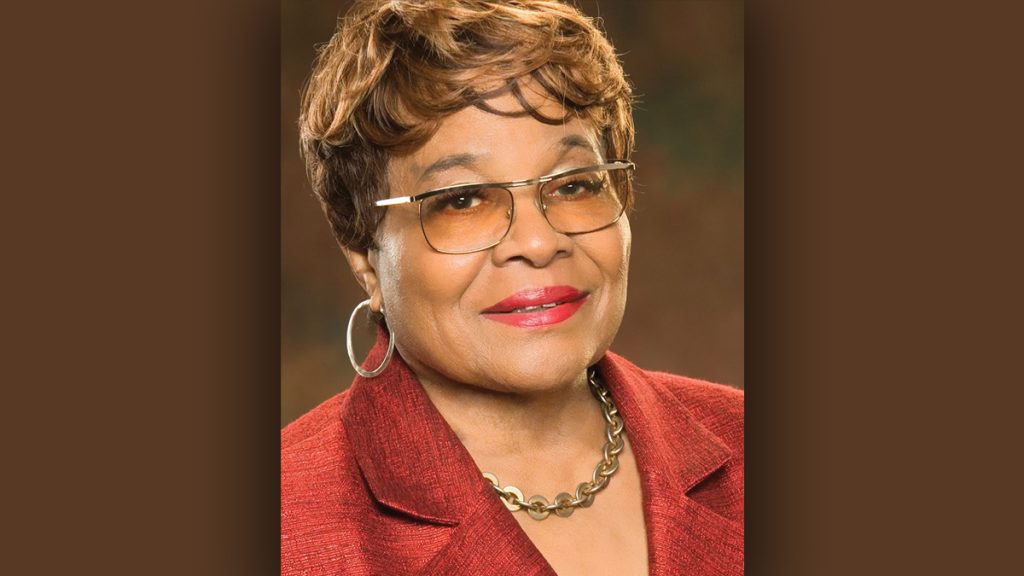
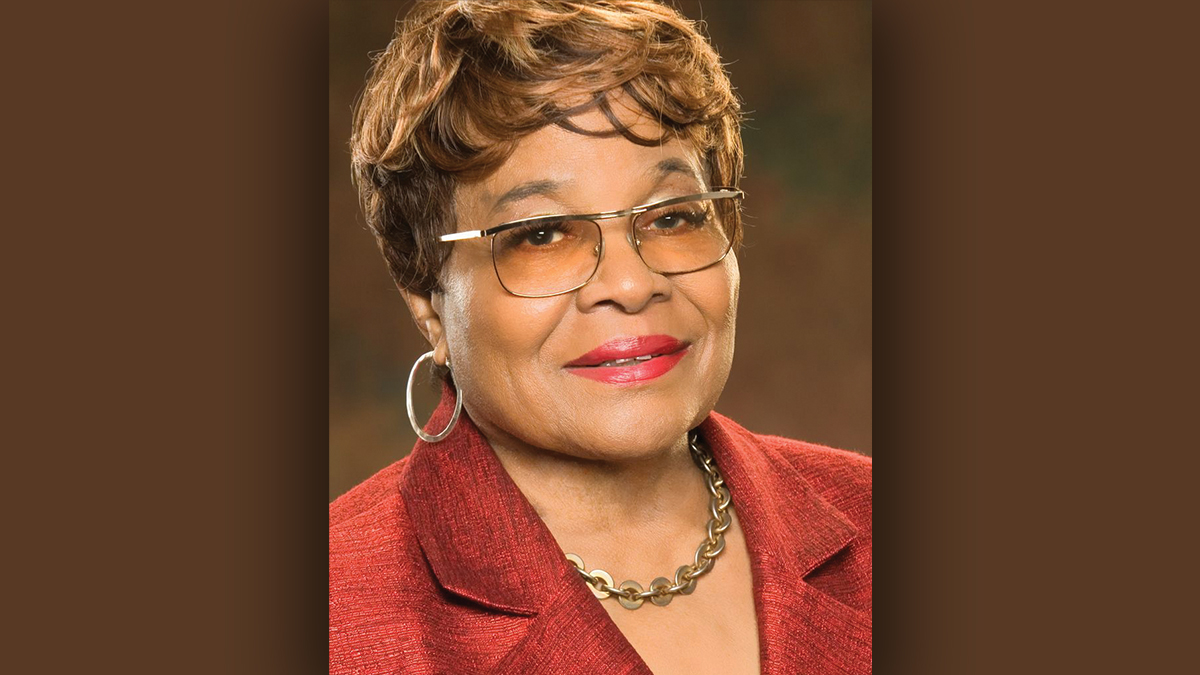
(Charlene Crowell is a communications manager with the Center for Responsible Lending. She can be reached at <Charlene.crowell@responsiblelending.org>.)