



President Joe Biden signed the Emmett Till Antilynching Act into law on March 29, making lynching a federal hate crime. An act can now be prosecuted as a lynching and punishable by up to 30 years in prison if a person conspires to commit a hate crime that results in death, serious bodily injury, and other harms. This legislation was more than a century in the making, after decades of lawmakers’ systematic and shameful success in blocking more than 200 earlier attempts at similar bills.
The new law is named in honor of Emmett Till, the 14-year-old Black child lynched in Mississippi in 1955. Its passage is also a tribute to his mother, Mrs. Mamie Till, whose determination to make her beloved only son’s murder visible and public became an inflection point in the civil rights movement and American history. Emmett Till’s murderers were tried in front of an all-White jury, who could be heard laughing in their jury room, and acquitted after a 67-minute deliberation. One of the jurors later said: “If we hadn’t stopped to drink pop, it wouldn’t have taken that long.” The Act named in Emmett Till’s honor will now help ensure future victims receive justice and their attackers are punished to the full extent of federal law.
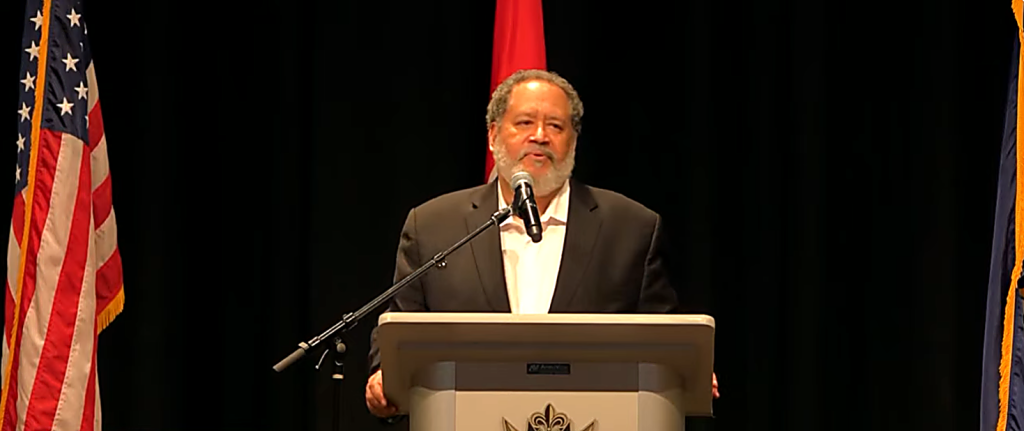
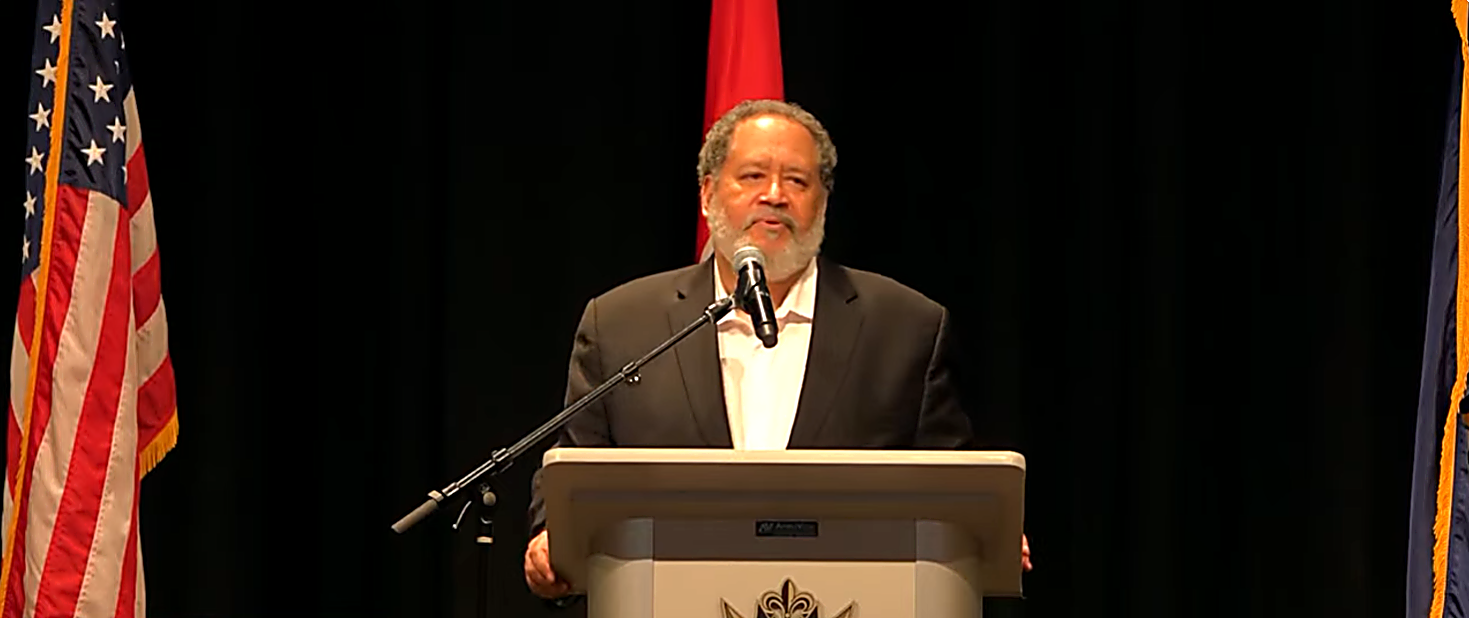
The Act’s signing ceremony also paid tribute to all those who fought tirelessly to pass a federal antilynching law in the past, starting with the fearless activist and crusader Ida B. Wells. Her great-granddaughter, educator and historian Michelle Duster, was one of the ceremony’s speakers. Duster noted Wells had first visited the White House to urge President William McKinley to make lynching a federal crime in 1898, and “since my great-grandmother’s visit to the White House 124 years ago, there have been over 200 attempts to get legislation enacted. But we finally stand here today, generations later, to witness this historic moment.” Duster also quoted her great-grandmother’s famous assertion: “Our country’s national crime is lynching.”
Ida B. Wells deeply believed this was true and spent years insisting that, in the face of local and state law enforcement’s demonstrated willingness to condone or even sanction this crime, federal action was the only answer: “Our national crime requires a national remedy.” In a speech at the 1909 National Negro Conference, the meeting that was the forerunner to the NAACP, Wells said: “Various remedies have been suggested to abolish the lynching infamy, but year after year, the butchery of men, women and children continues in spite of plea and protest. The only certain remedy is an appeal to law.
“Upon the grave question presented by the slaughter of innocent men, women and children there should be an honest, courageous conference of patriotic, law-abiding citizens anxious to punish crime promptly, impartially and by due process of law, also to make life, liberty and property secure against mob rule. Time was when lynching appeared to be sectional, but now it is national—a blight upon our nation, mocking our laws and disgracing our Christianity. ‘With malice toward none but with charity for all,’ let us undertake the work of making the ‘law of the land’ effective and supreme upon every foot of American soil—a shield to the innocent; and to the guilty, punishment swift and sure.”
Her clear vision of an “honest, courageous conference of patriotic, law-abiding citizens” anxious to do the right thing would be decades delayed. Instead, in its place would be generations of leaders determined to preserve the status quo. As with so many other attempts to make the law of the land real for everyone in our nation, change has been a long time coming, but change has come. All those who never gave up the fight for a federal antilynching law to honor the more than 4,700 people who were lynched in the United States between 1882 and 1968 and advance justice for Americans who are still victims of racial terror today have finally been rewarded.
(Marian Wright Edelman is founder and President Emerita of the Children’s Defense Fund whose Leave No Child Behind mission. For more information go to <childrensdefense.org>.)