



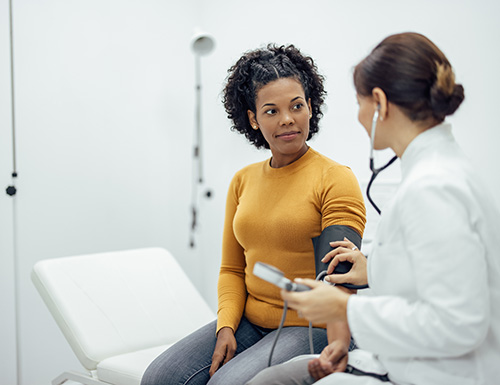
(StatePoint) High blood pressure, also known as hypertension, affects nearly half of adults in the United States, and only about 1 in 4 with this condition have it under control, according to the Centers for Disease Control and Prevention (CDC). Hypertension can be dangerous and in many cases, fatal. In 2020, it was a primary or contributing cause of more than 670,000 deaths nationwide. Medical experts say that controlling your blood pressure is possible and it starts with having the right information.
“Nearly half of all American adults have high blood pressure, and many don’t even know it. High blood pressure is a ‘silent killer,’ often having no overt symptoms, but increases the likelihood of heart attack, stroke, and other serious health risks. I urge you to know your numbers and make the simple lifestyle changes that can help you control your blood pressure and live a long and healthy life,” says Jack Resneck Jr., M.D., president of the American Medical Association (AMA).
To get on the right track, consider these tips and insights from the AMA:
- Know your numbers. Hypertension is diagnosed when your systolic blood pressure is greater than 130 mmHg or your average diastolic blood pressure is greater than 80 mmHg. Visit ManageYourBP.org to better understand your numbers.
- Monitor blood pressure. Once you learn your blood pressure numbers, take and keep regular records using an at-home blood pressure monitor. For an accurate reading, the CDC says to sit with your back supported for 5 minutes before starting and wait at least 30 minutes after drinking or eating a meal. You should also avoid stimulants for at least 30 minutes beforehand, as the CDC says that smoking and drinking alcohol or caffeine can elevate your blood pressure. If you take medication for hypertension, measure your blood pressure before your dose. Share your numbers with your health care provider.
- Eat right. Reduce your intake of processed foods, especially those with added sodium and sugar. Eat less red meat and processed meats, and add more plant-based foods, such as vegetables, fruits, nuts, seeds and olive oil to your diet. Also, reduce your consumption of sugar-sweetened beverages and drink more water instead. Drinking sugary beverages, even 100% fruit juices, is associated with a higher all-cause mortality risk, according to a study published in JAMA Network Open.
- Drink alcohol only in moderation. If consuming alcohol, do so in moderation as defined by the U.S. Dietary Guidelines for Americans — up to one drink per day for women and two drinks per day for men, and only by adults of legal drinking age.
- Be more physically active. Do at least 150 minutes a week of moderate-intensity activity, or 75 minutes a week of vigorous-intensity activity. Be sure to include a mix of cardiovascular exercise, strength training and flexibility. Obtain guidance from your doctor if you aren’t sure if it is safe for you to exercise.
- Maintain a healthy weight. If you are overweight, losing as little as 5 to 10 pounds may help lower your blood pressure. Consult your doctor about safe ways to maintain a healthy weight.
“Unmanaged hypertension can have life-altering consequences,” says Dr. Resneck. “The good news is that there are many ways you can take control of your blood pressure and your health.”