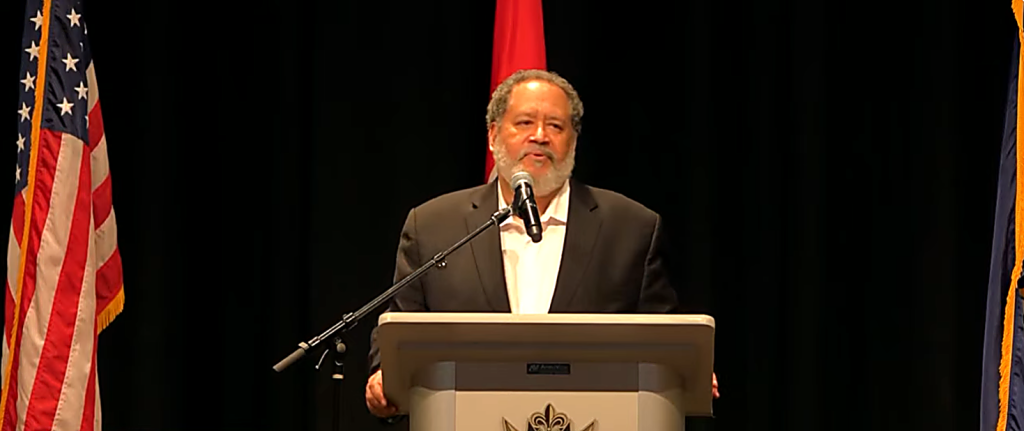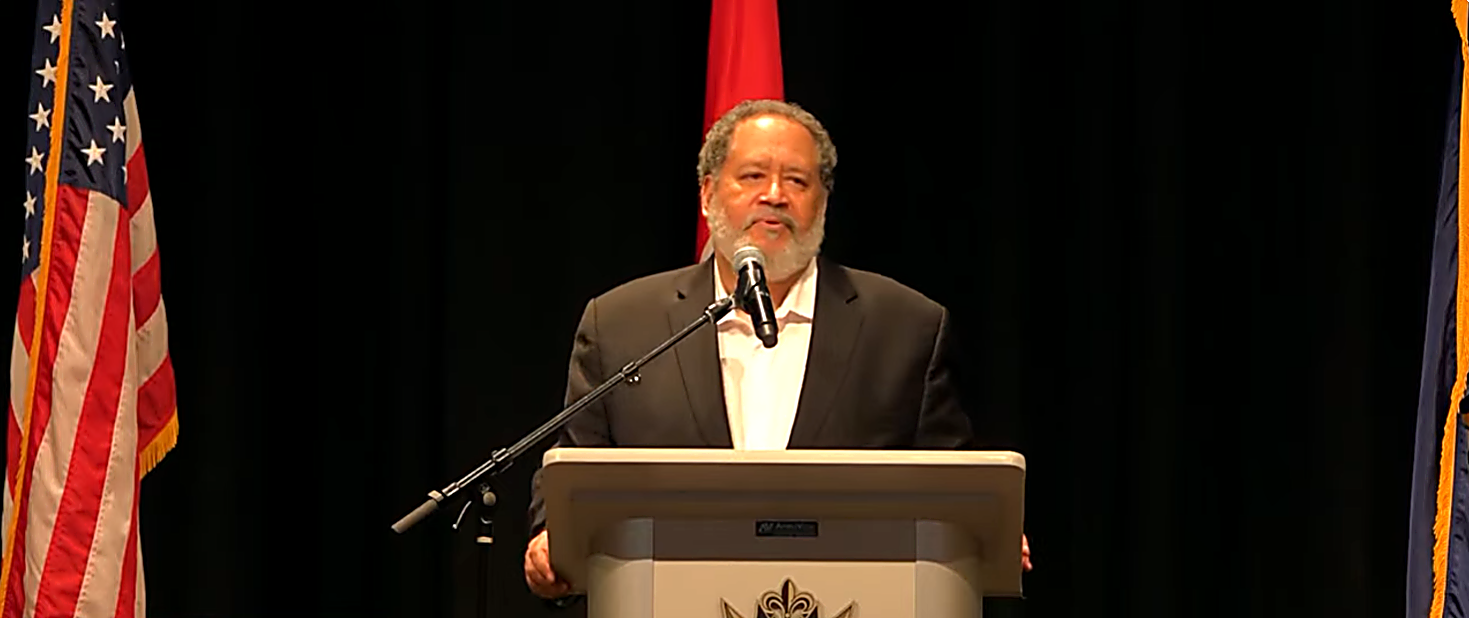
The World Health Organization (WHO) reported a staggering total of nearly 10,000 global deaths in December, raising alarm bells about a worsening worldwide health crisis stemming from the continued threat of COVID-19. WHO Director-General Tedros Adhanom Ghebreyesus also noted pressing humanitarian crises in Gaza, Sudan, and Ethiopia that exacerbates the ongoing challenges related to COVID-19.
While COVID-19 is no longer classified as a global health emergency, the virus remains a formidable threat, Ghebreyeus warned. He said newer cases, driven by holiday gatherings and the prevalence of the JN.1 variant, led to a 42% increase in hospitalizations and a 62% rise in ICU admissions.

Ghebreyeus urged governments to maintain surveillance and sequencing and ensure access to tests, treatments, and vaccines. He also noted other emergencies the WHO is responding to, including in Gaza, Ukraine, Ethiopia, and Sudan.
Ghebreyesus called it “indescribable” that “this Sunday marks the 100th day of the conflict in Israel and the occupied Palestinian territory.”
He said Gaza continues to face an unprecedented humanitarian catastrophe to go along with rising health concerns borne out from the pandemic. The conflict has displaced nearly 90% of Gaza’s 1.9 million residents, who continue to endure “excruciating conditions with long queues for limited water and nutritionally inadequate bread,” the director general said.
He said only 15 hospitals are partially operational, and the absence of clean water and sanitation creates a breeding ground for diseases. WHO’s humanitarian aid efforts have encountered “insurmountable challenges” due to intense bombardment, movement restrictions, fuel shortages, and communication breakdowns.
“People are standing in line for hours for a small amount of water, which may not be clean, or bread, which alone is not sufficiently nutritious,” he said. “The lack of clean water and sanitation and overcrowded living conditions are creating the ideal environment for diseases to spread. We have the supplies, the teams, and the plans in place. What we don’t have is access.”
Further, the director general stressed the need for the release of hostages and an imperative for all parties to uphold international humanitarian law, ensuring healthcare protection. He also sounded an alarm about the ongoing situation in Sudan, a nation that’s grappling with nine months of conflict where there’s escalating violence and mass displacement.
Ghebreyeus said Sudan residents have also experienced the rampant spread of diseases, including cholera. The WHO temporarily suspended operations in Al-Gezira due to security concerns, disrupting the annual harvest and heightening the risk offood insecurity. Even before the conflict, Ghebreyeus said Sudan faced food shortages, intensifying the crisis for vulnerable groups, particularly children under five and pregnant or breastfeeding women.
Meanwhile, in Ethiopia, the north-western region of Amhara is in the grip of a severe health crisis due to ongoing conflict since April 2023, he said. Communication challenges, damaged health facilities, and restricted movement impede humanitarian assistance. Conflict, drought, and displacement exacerbate hunger and disease outbreaks, with cholera, malaria, measles, leishmaniasis, and dengue spreading. Urgent access to affected areas is crucial, the director general affirmed.
Finally, Ghebreyeus insisted that just as governments and individuals take precautions against other diseases, “we must all continue to take precautions against COVID-19.” The WHO plans to release its Health Emergency Appeal for 2024, outlining how much there’s a need to protect the health of the most vulnerable people in 41 emergencies globally.
“In 2024, we aim to reach almost 90 million people with lifesaving support,” Ghebreyeus said. “The coming year will be a test for humanity—a test of whether we give into division, suspicion and narrow nationalism, or whether we are able to rise above our differences and seek the common good.”