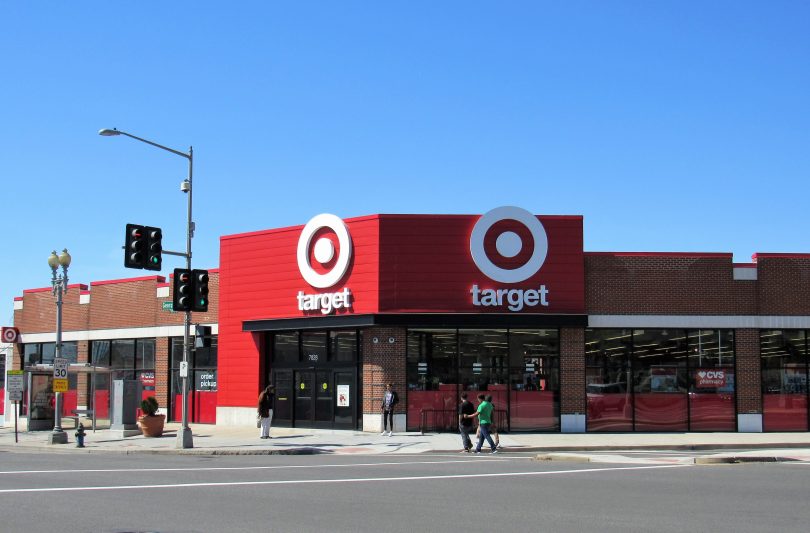
Target Corporation, which recently scaled back its diversity, equity, and inclusion (DEI) initiatives, is facing financial consequences, community backlash, and new legal challenges from both sides of the political spectrum. The retail giant’s decision to retreat from its DEI commitments and Pride Month merchandise has drawn conservative-led lawsuits while also fueling boycotts and economic pressure from civil rights groups.
Florida Attorney General James Uthmeier and America First Legal (founded by former President Trump adviser Stephen Miller) have filed a lawsuit against Target. The suit, brought on behalf of a Florida board overseeing state pensions, alleges the company failed to disclose the financial risks associated with its DEI programs and 2023 Pride Month collection. The legal action is the latest in a wave of conservative attacks on corporate diversity efforts aligning with former President Donald Trump’s push to dismantle DEI policies in both government and private sectors.
At the same time, Target’s DEI retreat has provoked backlashes from civil rights groups, Democratic leaders—and even the heirs of one of Target’s founders, who argue that diversity is good business and should not be abandoned under political pressure. The company’s decision to reduce minority hiring targets and discontinue reports to diversity-focused organizations led to an 8.7% drop in its stock value. Data shows store traffic decreased by four percent following Trump’s executive order banning federal DEI initiatives, with an additional nine percent decline the following week. Walmart experienced a dip of less than three percent during the same period.
In Minneapolis (Target’s headquarters and the city where George Floyd’s murder sparked national protests) civil rights lawyer Nekima Levy Armstrong urged consumers to boycott the retailer. “We thought Target would stand firm in its values,” Armstrong told reporters at a news conference. “Instead, they bowed to the Trump administration. We will not step back.”
Jaylani Hussein, executive director of the Minnesota chapter of the Council on American-Islamic Relations, said the company should be held accountable for turning its back on DEI. “If you were moved by George Floyd’s murder to seek justice, it’s time to boycott Target,” Hussein told PBS.
The boycott movement has gained traction, with local Black Lives Matter chapters participating in events where activists cut up their Target credit cards. Organizers have encouraged consumers to shop at companies like Costco, which recently reaffirmed its DEI commitments.
The National Newspaper Publishers Association (NNPA), representing the Black Press of America, and civil rights organizations like the NAACP have launched campaigns to inform Black consumers about corporate retreats from diversity initiatives. “Black Americans spend $2 trillion annually. We must reconsider supporting businesses that disregard our contributions,” said NNPA President/CEO Dr. Benjamin F. Chavis, Jr.
NNPA Chairman Bobby R. Henry, Sr. vowed that the Black Press would hold corporations accountable. “We will not be silent while corporations reverse progress that directly affects Black communities,” Henry said.
Rev. Jamal Bryant, pastor of New Birth Missionary Baptist Church in Atlanta, has called for a 40-day “economic fast” targeting Target. “Black people spend $12 million a day at Target,” Bryant said during an appearance on Let It Be Known. “We’re focusing on Target first because of their broken promises to our community.” The campaign, which coincides with Lent, has drawn over 50,000 participants within a week at <targetfast.org>.
Target now finds itself under pressure from both conservative and progressive forces. After previously positioning itself as a leader in corporate diversity, the company has been forced into a balancing act that has left it vulnerable on all sides.
“We encourage you to spend your money where you’re respected, support Black-owned businesses, and demand businesses prioritize people over profit,” said Keisha Bross, financial strategist at the NAACP.