



A new 2026 Vanderbilt Poll of Nashville residents shows a notable decline in public optimism following January’s severe ice storm, along with growing concerns about housing affordability, city services and the overall direction of the city.
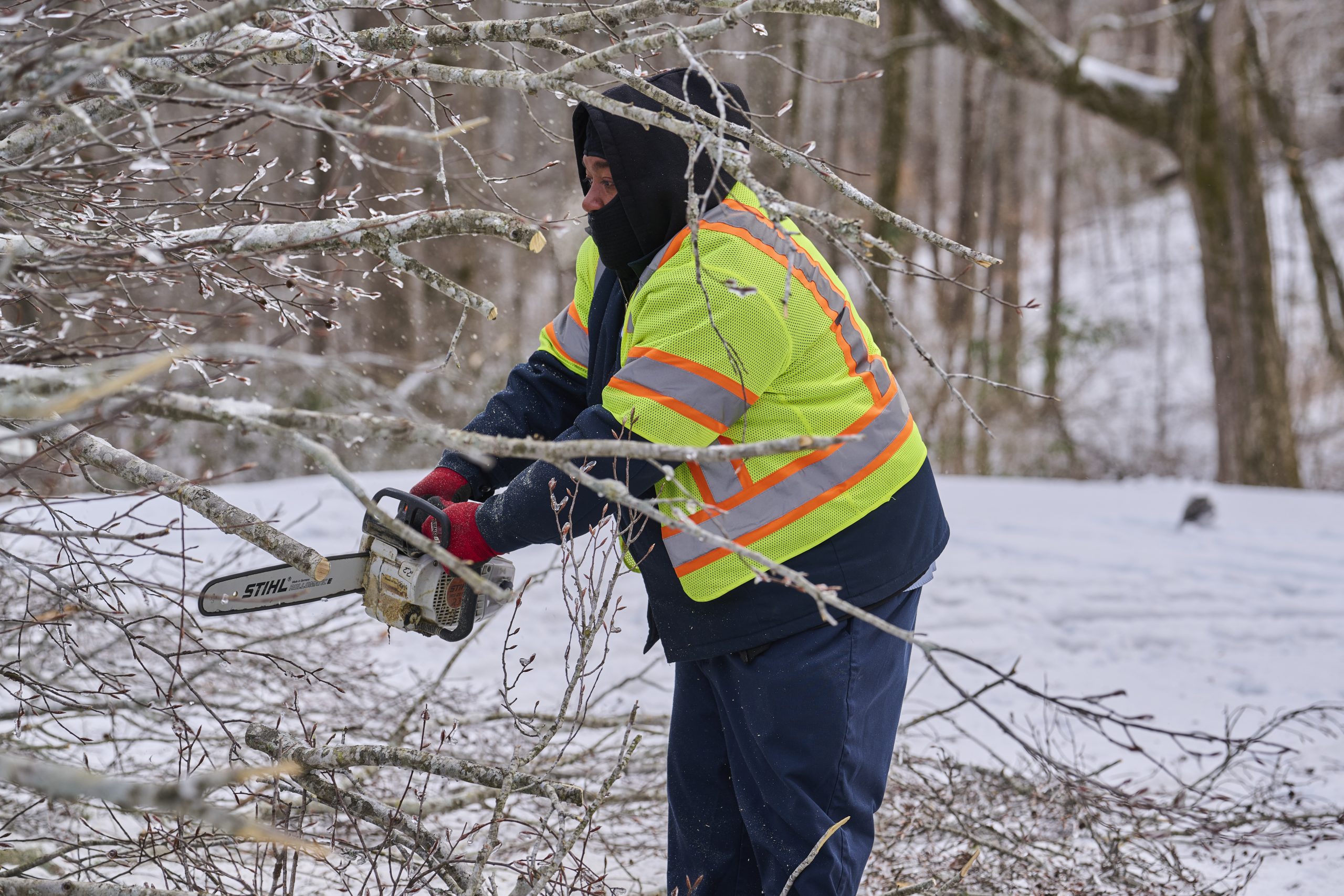
The survey, conducted from Feb. 20 through March 14, comes less than a month after Winter Storm Fern left roughly 230,000 homes affected and thousands without power for days. The aftermath appears to have significantly shaped public opinion, with 76% of respondents reporting they were impacted and 66% experiencing power outages.
For the first time in more than a decade, a majority of residents (56%) say Nashville is on the wrong track, marking a 14-point drop from 2025.
Mayor Freddie O’Connell continues to hold majority support, with a 54% approval rating. However, that figure has declined sharply from 67% last year and 71% in 2024. Only 35% of respondents approved of his handling of the storm recovery, with an equal share expressing disapproval.
Despite the decline, O’Connell remains the local leader most aligned with residents’ views, with 35% of respondents selecting him over Metro Council, Gov. Bill Lee and the state legislature.
The poll also revealed deep dissatisfaction with Nashville Electric Service. Just 39% of residents approve of the utility’s performance, while 61% disapprove—the lowest rating among city services. The same percentage disapproved of its response to the storm.

When asked who was most responsible for the storm’s aftermath, 44% of respondents pointed to the severity of the weather, while 37% blamed NES and nine percent cited the mayor’s office.
Public priorities remain consistent, with education ranking as the top issue for 78% of residents. Affordable housing followed closely at 73%, a significant increase from 2025. Traffic congestion, crime reduction and maintaining the city’s financial health were each cited by 63% of respondents.
Concerns about affordability continue to intensify. According to the poll, 82% of residents say they cannot afford to purchase a home in Davidson County, and only 36% plan to try. At the same time, the share of residents prioritizing job creation more than doubled, rising from 18% in 2025 to 43% this year.
Residents also expressed unease about the pace of growth. Nearly half (48%) said recent changes have made their daily lives worse, compared to 24% who said conditions have improved. A strong majority, 79%, believe the city’s population is growing too quickly.
These concerns are reflected in how residents use the city. Heavy traffic was cited as the leading reason people avoid downtown Nashville.
Opinions on development and infrastructure projects were mixed. Support for multifamily housing has declined slightly, with 53% of residents now favoring limiting such development to denser areas, while 47% support allowing it citywide.
Other proposals also revealed divisions. Support for adding bike lanes remains split, with 45% in favor under certain conditions and 28% opposed. Interest in bringing NASCAR to the Nashville Fairgrounds Speedway remains limited, with just 26% in support and 36% favoring eliminating the racetrack altogether.
Overall, the poll suggests residents want city leaders to focus more on everyday neighborhood concerns rather than large-scale or high-profile projects. A majority, 71%, said local government does not spend enough time addressing issues affecting their communities.
While the storm’s impact may have temporarily influenced public sentiment, the findings highlight ongoing concerns about affordability, growth and the reliability of basic services as Nashville continues to evolve.









