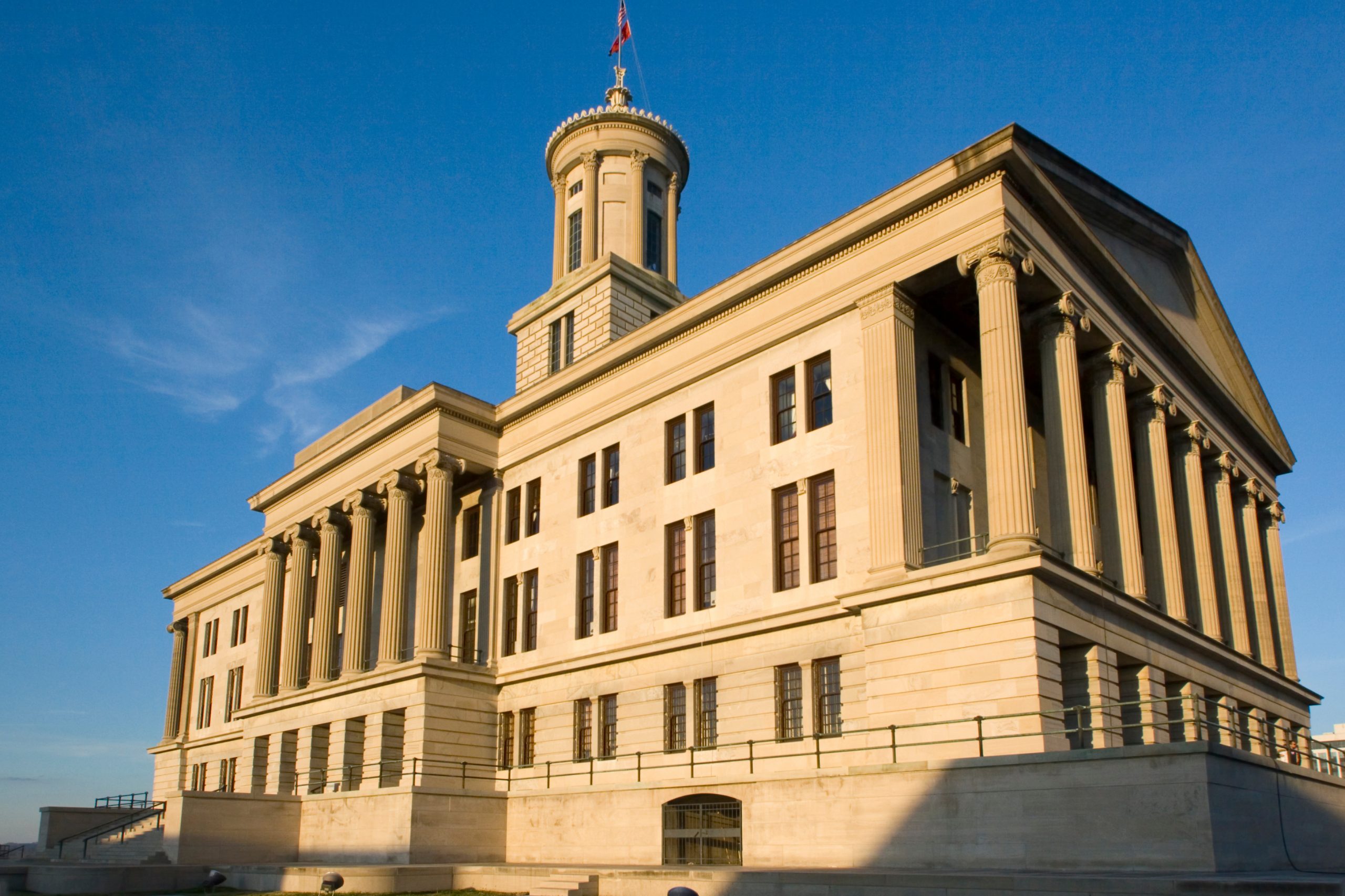
While many Tennesseans are celebrating the Independence Day holiday this weekend, dozens of new state laws quietly took effect July 1, bringing changes that affect everything from schools and public safety to immigration enforcement, home owner rights and consumer protections.
The measures, approved during the 2026 session of the Tennessee General Assembly, include new requirements for schools, tougher criminal penalties, expanded immigration enforcement, changes for home owners and businesses, and additional protections for victims of crime.

Among the most notable new laws now in effect are:
Immigration enforcement
One of the most closely watched measures requires sheriffs across Tennessee to participate in a federal immigration enforcement program known as 287(g), which allows local law enforcement agencies to cooperate with U.S. Immigration and Customs Enforcement (ICE). The law also requires law enforcement agencies entering into agreements with federal authorities to honor immigration detainers received from ICE. The legislation has generated debate across the state, particularly in Davidson County, where Sheriff Daron Hall has maintained his office is exempt because his deputies are not Peace Officer Standards and Training (POST)-certified.
Another immigration-related law requires all state and local government employers to verify the employment eligibility of prospective employees through the federal E-Verify system before hiring. Local governments that fail to comply could face the loss of certain state funding.
In addition, Tennessee now makes it a Class A misdemeanor for individuals who have received a final federal order of removal to intentionally remain in or re-enter the state under certain circumstances.
Schools and education
Several new education laws are now in place.
Local school boards and public charter schools may now choose to display the Ten Commandments, the preamble to the U.S. Constitution and the first sentence of the second paragraph of the Declaration of Independence in school buildings.
Public schools are also now required to provide age-appropriate instruction on child trafficking awareness and prevention for students in kindergarten through 12th grade as part of health education.
Schools are also authorized to maintain and administer additional forms of epinephrine (not just auto-injectors) to students experiencing life-threatening allergic reactions. Schools are also encouraged to keep rescue inhalers available for students suffering asthma attacks or respiratory distress.
Artificial intelligence in political advertising
As artificial intelligence becomes increasingly common in political campaigns, Tennessee now requires political advertisements that use AI-generated ‘deep-fake’ images, audio or video depicting a candidate to include a disclaimer informing viewers the content has been digitally manipulated. Violations may result in criminal penalties and civil liability.
Criminal justice and public safety
Lawmakers approved a number of measures strengthening criminal penalties.
Burglary of a vehicle has been increased from a Class E felony to a Class D felony.
Judges are now generally required to impose consecutive prison sentences in cases involving multiple minor victims unless the court finds doing so would not serve the interests of justice.
The state also created a new offense for knowingly violating certain no-contact orders issued to protect victims of domestic abuse following criminal convictions. Violations are punishable as a Class A misdemeanor.
Tennessee also strengthened penalties for patronizing prostitution in certain trafficking-related cases and established new criminal liability for individuals who intentionally assist or direct another person in committing a crime to benefit from its proceeds.
Traffic and drivers
Drivers who receive certain speeding citations now have another option to keep points off their driving records. Under the new law, motorists who pay their ticket without appearing in court may complete an approved online driver education course to have the points removed, consistent with existing law.
The law also expands the annual purchase limit for products containing ephedrine or pseudoephedrine, while requiring manufacturers to help fund Tennessee’s electronic sales tracking system.
Homeowners and consumers
Homeowners’ associations and condominium associations may no longer prohibit residents from installing electric vehicle charging stations for personal use on their property, subject to certain conditions.
Local governments that charge fees exceeding $250 are now required to publicly document how those fees are calculated and justify their costs. The documentation must be made available as a public record and reviewed annually by the state comptroller.
Title insurance companies that split premiums or commissions between separate buyer and seller representatives must now disclose those arrangements in writing and obtain signed acknowledgments from both parties.
Business and employment
Courts are now directed to apply rebuttable presumptions when evaluating the reasonableness of noncompete agreements following the end of an employment or business relationship, providing additional guidance in disputes over restrictive covenants.
The state also enacted the Tennessee Procurement Protection Act, which makes changes to procurement requirements for certain state contracts.
Health care
New laws expand emergency preparedness by authorizing healthcare providers to prescribe rescue inhalers to certain organizations under standing orders and encouraging schools to keep rescue inhalers on hand for emergencies.
Lawmakers also approved the Caring for Caregivers Act and enacted Matthew Davenport’s Law, establishing new criminal offenses and testing requirements involving kratom.
Although July 1 marked the effective date for dozens of new statutes, several additional laws approved during this year’s legislative session will take effect later this year or on Jan. 1, 2027. Together, the measures represent one of the broadest sets of policy changes enacted by the General Assembly in recent years, affecting residents, businesses, schools and local governments across Tennessee.