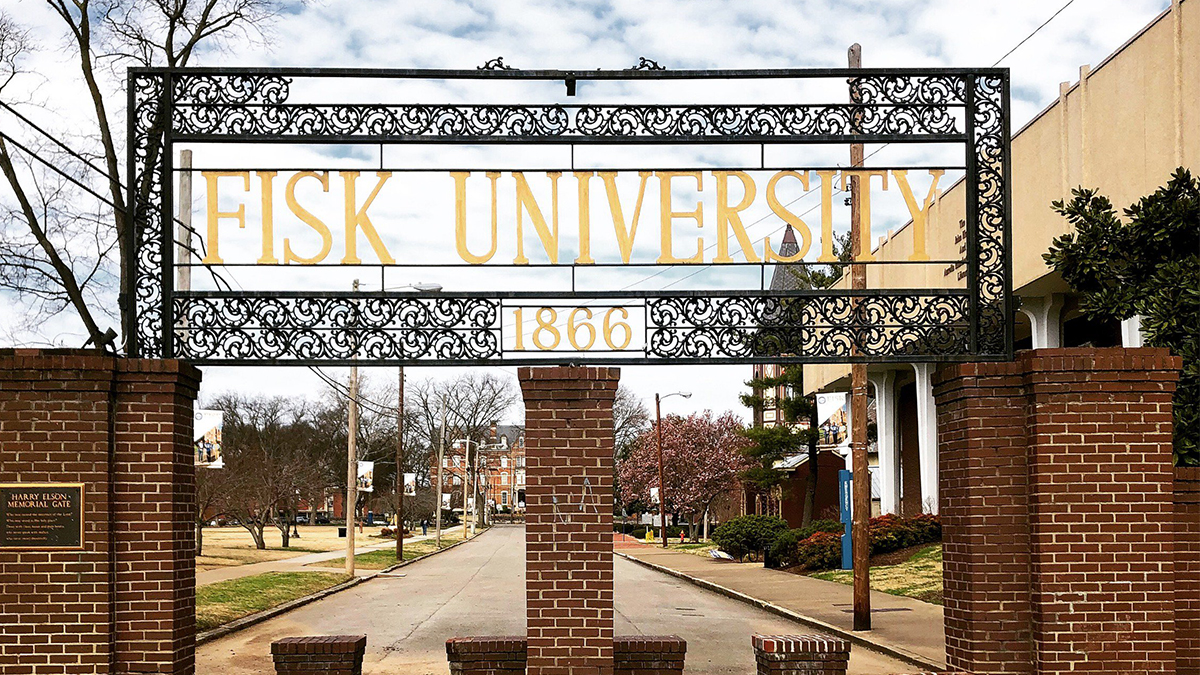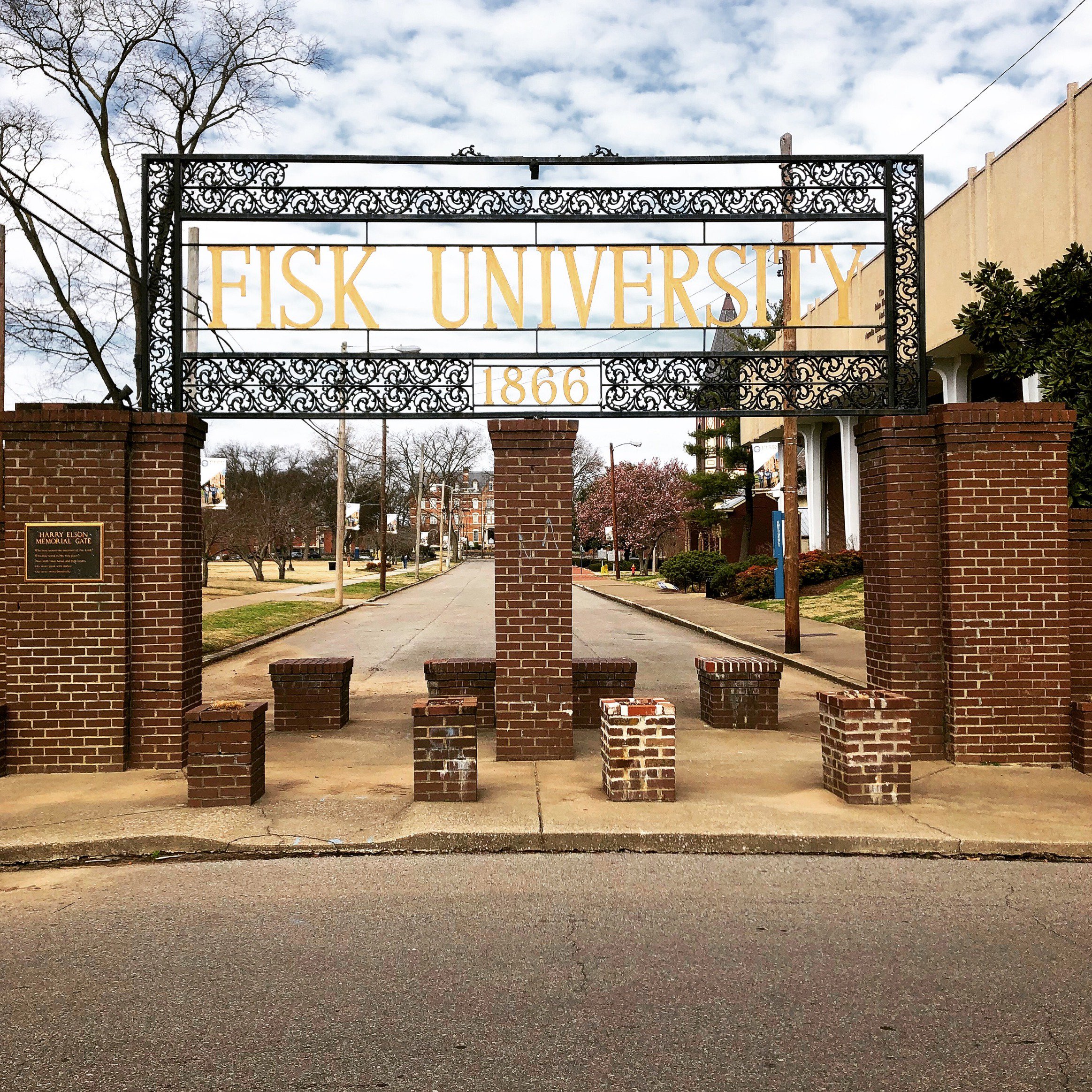
NASHVILLE — What Fisk University leaders hoped would provide clarity on the school’s proposed Innovation Center instead revealed just how divided North Nashville remains over plans to include a data center as part of the university’s ambitious $1 billion “Quantum Leap” campus transformation.
More than two years in development, the proposal has become one of Nashville’s most closely watched development projects, drawing sharp criticism from alumni, neighborhood residents and elected officials who question whether a large-scale data center belongs on the historic HBCU campus.

Those concerns were on full display Monday night as Fisk administrators answered questions from a standing-room-only crowd during the university’s first public town hall on the proposal.
Throughout the evening, residents pressed university leaders on potential noise, electricity demand, environmental impacts, public health concerns and the long-term effects on surrounding neighborhoods. While attendees submitted written questions, emotions occasionally spilled over as some audience members called out from the crowd seeking answers.
Oliver emphasized that she is still educating herself about data centers and said the town hall was part of that learning process.
“I came here just like you. I want answers too,” she said. “I’m trying to learn this in real time just like you. I’ll be humble enough to admit I’m not the expert on data centers, but I’m willing to learn.”
Oliver said she has met with legislators in another state facing similar issues and is considering introducing statewide legislation during the next legislative session to address data center development.
She also pledged to remain guided by the wishes of North Nashville residents.
“Up until now I believed this was primarily a local government issue,” Oliver said. “But if the people of 37208 say they don’t want it, then I have to move accordingly.”
Although she stressed that she is still gathering information, Oliver made her current position clear.
“If you asked me today if I would support the data center, the answer is no,” she said. “There are too many unknown variables that could affect the health and well-being of North Nashville residents.”
Fisk President Dr. Agenia Clark repeatedly emphasized that no final agreement has been reached and that the proposal remains only one part of the university’s broader master plan.
“This wasn’t a finished deal. This isn’t something that’s been finalized,” Clark said. “We were being transparent and saying this is what we’re envisioning for our future.”
Clark said the university has spent nearly two years studying the concept as part of its effort to strengthen Fisk’s long-term financial future while expanding opportunities for students.
“Our curiosity around this idea has been about generating something that could be beneficial to this community and to Fisk,” she said.
Clark reminded attendees that the proposed Innovation Center represents only one component of the university’s ambitious campus redevelopment strategy.
“We have not committed to anything except this: Fisk University’s strategy is to grow the university,” Clark said. “We want to grow undergraduate enrollment from approximately 1,000 students to 1,500. With that growth comes the need for additional residence halls, a student center and investments across our campus.”
She said the attention has focused almost exclusively on the proposed data center while overlooking the university’s broader needs.
“The only part getting attention is the data center,” Clark said. “We have many other needs — student housing, a student center and modernized residence halls.”
According to university officials, the proposed Innovation Center would total approximately 100,000 square feet, including about 70,000 square feet devoted to technology and data operations and 30,000 square feet of academic and research space. Fisk envisions a facility of up to 30 megawatts designed to support artificial intelligence research, workforce development and advanced technology education while creating a new long-term revenue stream for the university.
Clark sought to reassure residents that Fisk would not support a project that harms surrounding neighborhoods.
“We’re not doing a harmful data center,” she said. “No one has really asked us about that.”
She also told attendees the university has not selected a development partner and intends to establish its own environmental and operational standards before moving forward. University officials said the project would incorporate sustainable design intended to minimize water consumption, noise, air pollution and energy impacts.
Despite those assurances, many attendees remained unconvinced.
Opposition has continued to grow, with online petitions gathering thousands of signatures from alumni and neighborhood residents who argue that a large-scale data center is incompatible with Fisk’s historic campus and nearby residential community.
The controversy extends beyond Fisk. Metro Nashville is currently considering new regulations governing large data centers that would establish location requirements and other development standards. Under proposed legislation, qualifying facilities would be required to maintain minimum distances from homes, schools, parks and community education centers. University officials said Fisk will comply with whatever regulations Metro ultimately adopts.
For Fisk, the Innovation Center represents what university leaders describe as an investment in the institution’s future. For many residents, however, the proposal raises broader questions about environmental justice, neighborhood impacts and whether North Nashville should continue to bear the burden of major infrastructure projects.
Those competing visions remain far apart, suggesting that debate over the Innovation Center is likely to continue as the university refines its plans and Metro officials consider new regulations governing data center development.