I love voting. Every time I go into the booth, I see little girl me, pigtails and all, plaid skirt, white blouse and green sweater, part of my Catholic school uniform. Most of my relatives were Democrats, though my grandmother voted Republican a time or two because “Lincoln freed the slaves.” In 1960, I had the privilege of pulling the lever to elect John Fitzgerald Kennedy, the candidate that the nuns at Immaculate Conception Elementary School rhapsodized over.
On the way back from the polls, my mom told me that Negroes (as we were called then) didn’t always get to vote, and she shared facts about grandfather clauses and poll taxes. I’ll never forget that moment, which may have sown the seeds of my activism. Indeed, when I went to school the next day, and the nun asked if everyone’s parent had voted, I took the opportunity to share that Negroes did not always get to vote. I was sent home with a note at the end of the day, and got an admonition from my mom about keeping my big mouth shut. I guess I didn’t learn my lesson.

I guess everyone doesn’t like voting as much as I do. Only a quarter of those eligible to vote in the District of Columbia did so. Some blamed the earliness of the primary (only Illinois had an earlier date, on March 26, and some states have primary elections as late as September); others spoke of the inclement weather the weekend before the election as affecting voter turnout. But when I am reminded that Fannie Lou Hamer was almost beaten to death because she registered voters, and Medgar Evers was killed because he worked to secure voting rights for Black people, I am infuriated by those who take a pass on voting. How does a little snow on Sunday keep you from going to the polls on Tuesday? The fact is that too many African Americans play into enemy hands whenever they fail to vote.
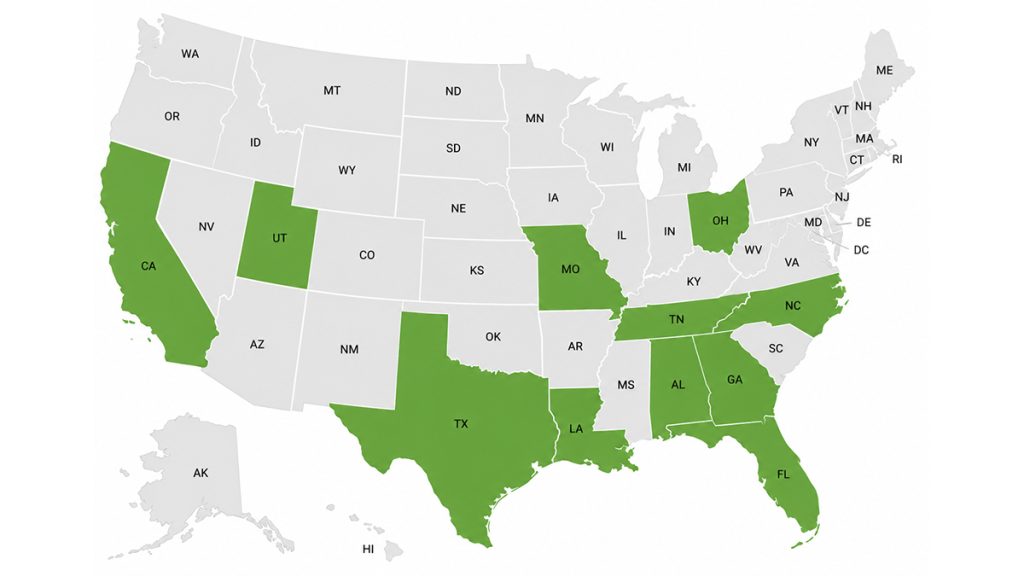
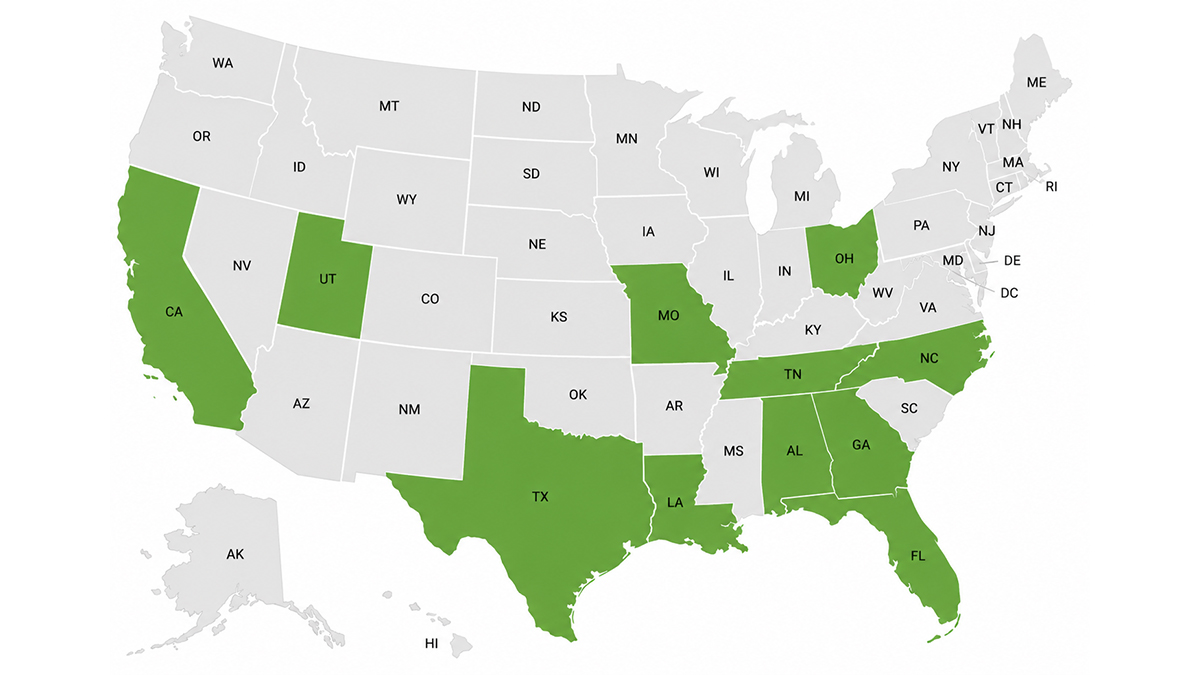
Now the Lawyers’ Committee for Civil Rights under Law <www…lawyerscommitt.org> has produced a ‘Map of Shame’ that highlights more than a dozen states that engage in voter suppression, either by requiring picture ID, consolidating polling places so that people have to travel further to vote, or passing other restrictions on voting.
Unsurprisingly, most of these states are in the South, but Northern states such as Wisconsin, Indiana, Ohio and Pennsylvania have also made it more difficult for voters. North Carolina is so bad that Rev. William Barber, head of the state NAACP, has been leading hundreds outside the state capitol weekly for ‘Moral Mondays’ designed to draw attention to the immorality of voter suppression.
In a recent decision, the Supreme Court has now made it easier to purchase votes on First Amendment grounds, with the amount that the wealthy can give increasing exponentially. In McCutcheon v. Federal Election Commission, the court ruled that the limit on contributions is unconstitutional. McCutcheon is not shy about explaining why he wants to spend more money. He wants to ensure that the law embraces conservative principles.
It is interesting that the McCutcheon decision comes in time to influence this election cycle. With this decision, the Supreme Court has made it easier to purchase an election. With limits on PAC money lifted, the court has created a well-funded monster. There is more than one way to suppress the vote, and this court is determined to silence citizens any way they can. They have nullified a key section of the Voting Rights Act. They’ve made it possible to pour money into campaigns. In many ways they have attempted to shut people up, or at least skew the playing field in favor of the wealthy.
Rev. Jesse Jackson says that the hands that picked peaches can also pick presidents. We can’t pick anything if we don’t get to the polls. Voter suppression and well-funded opponents are obstacles to voting. Still, we impose some of the obstacles on ourselves.
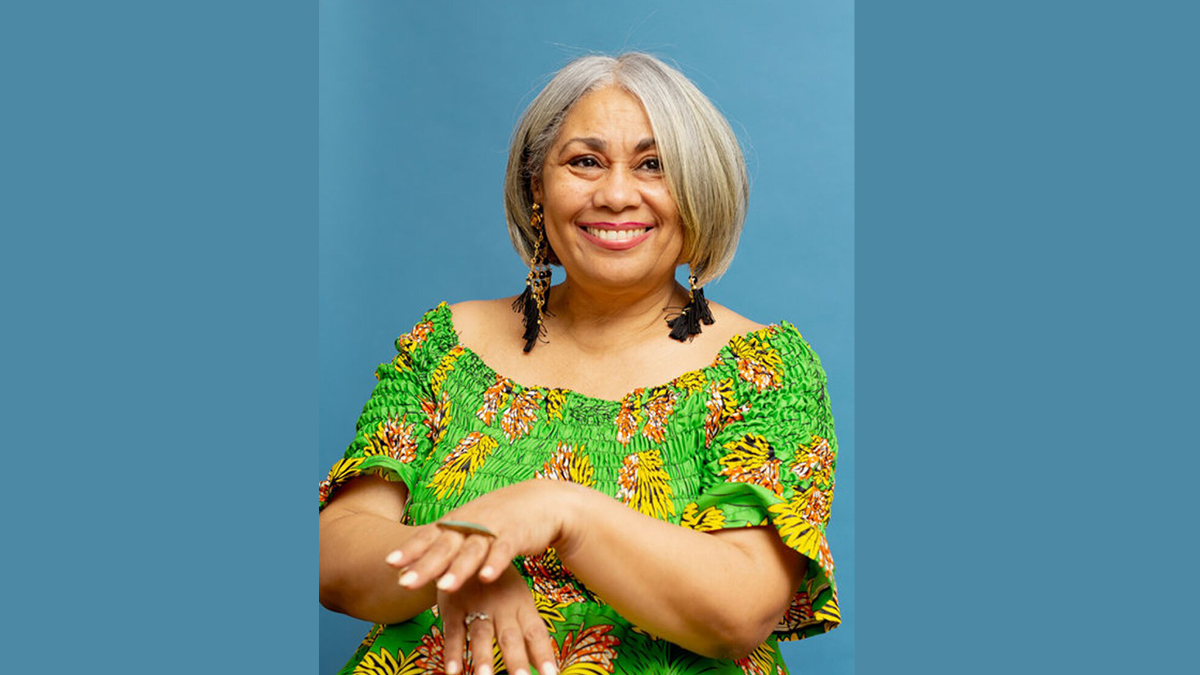
(Julianne Malveaux is a Washington, D.C.-based economist and writer. She is President Emerita of Bennett College for Women in Greensboro, N.C.)