WASHINGTON, D.C. — The National Fair Housing Alliance (NFHA) has filed a federal lawsuit challenging a new Consumer Financial Protection Bureau (CFPB) rule that advocates say weakens decades of protections against discrimination in lending and threatens access to affordable credit for historically underserved communities.
The lawsuit, filed in the U.S. District Court for the District of Columbia, names the CFPB and Acting Director Russell Vought as defendants. NFHA is joined by Rise Economy, BLDS LLC and SolasAI in challenging a rule issued by the CFPB on April 22 that alters the agency’s interpretation and enforcement of the Equal Credit Opportunity Act (ECOA), a landmark civil rights law enacted in 1974 to prohibit discrimination in lending.

According to the complaint, the rule reverses nearly 50 years of federal policy and legal precedent by limiting the use of ‘disparate impact’ analysis, a legal standard used to identify lending practices that disproportionately harm protected groups even when discriminatory intent cannot be proven. Civil rights advocates argue that the change could make it easier for lenders to use policies and algorithms that exclude qualified borrowers from access to credit.
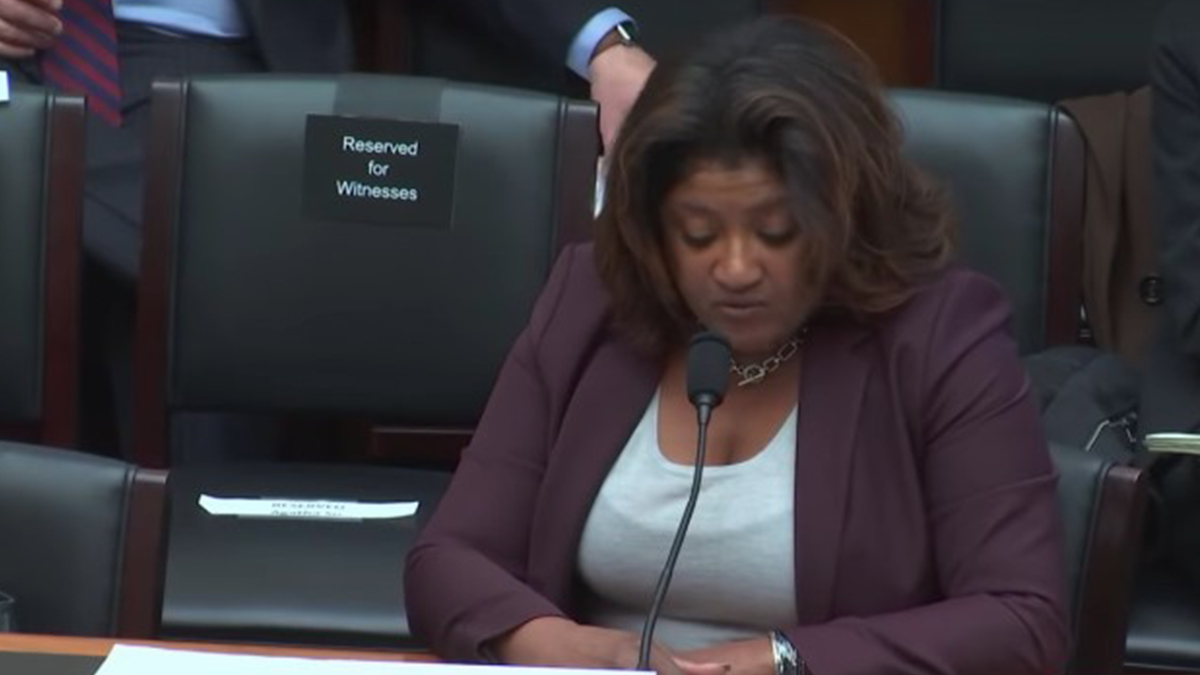
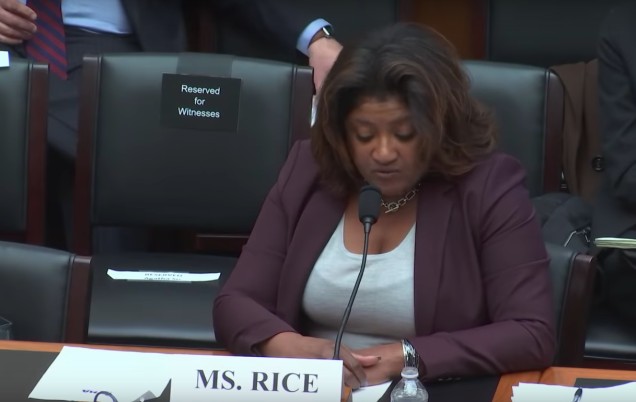
“This is the deliberate dismantling of 50 years of legal jurisprudence, regulatory guidance, and bipartisan consensus that lending discrimination has no place in America,” said Lisa Rice, president/CEO of the National Fair Housing Alliance. “When the agency built to enforce civil rights and protect consumers walks away from the job, the rule of law remains. That is why we are in court.”
NFHA contends the rule also weakens protections against practices that discourage people from applying for loans and could undermine Special Purpose Credit Programs (SPCPs), which are designed to expand access to credit for underserved communities. The organization noted that SPCPs supported by Fannie Mae and Freddie Mac helped nearly 58,000 people access home ownership opportunities between 2022 and 2024.
The lawsuit follows widespread opposition during the rule making process. According to NFHA, an analysis of more than 64,000 public comments found that the overwhelming majority opposed the changes, including 96% who opposed eliminating disparate impact liability. Despite those objections, the CFPB finalized the rule without significant changes.
Janell Byrd-Chichester, NFHA’s general counsel, said the rule departs from decades of settled law and regulatory practice.
“Congress intended that ECOA include disparate impact, a critical legal standard,” Byrd-Chichester said. “This framework has helped lenders ensure that they are serving the full market and has helped them drive profitability. The Administration now reverses that half-century of settled law and progress.”
Supporters of the lawsuit argue that weakening fair lending protections could disproportionately affect Black, Latino, Native American, Asian American and Pacific Islander communities, as well as women, people with disabilities and other groups that have historically faced barriers to credit access. They also warn that reduced oversight could lead to increased digital redlining and fewer opportunities for families and small businesses seeking affordable financing.
The plaintiffs are asking the court to invalidate the rule, arguing that it is arbitrary, contrary to law and was adopted through a flawed rule making process. The lawsuit also challenges Vought’s authority to serve as acting director of the CFPB.
The case is one of the most significant legal challenges to federal fair lending policy in recent years and could have broad implications for how anti-discrimination laws are enforced in the nation’s housing and credit markets.