Equal Pay Day falls in the first weeks of April, signifying how far into the year women must work to earn as much as men. August 23 was Black Women’s Equal Pay Day, which marks the additional time it takes for Black women to earn what White men earn in a year. Black women have to work a year and seven months to make what White men made in just one year.
Check this harsh reality: Black women only make 63 cents for every dollar made by White men. Even harsher than that is the fact that 20 months’ worth of work by Black women earns them what White men make in one year.

According to the National Women’s Law Center, this pay gap has been costing Black women $877,000 in wages over a lifetime. If a glaring, nearly one million dollars lost to Black women isn’t enough for policy and decision makers to make the necessary changes to rid pay inequalities, what is?
Clearly, we are running a losing race. Not only are Black women’s salaries grossly unequal to that of White male’s salaries, Black women’s wages are also falling further behind White women’s. A report by the Economic Policy Institute found that, as of 2015, Black women’s salaries were 66% of White men’s, with White women’s salaries at 77% percent of White men’s—an 11% difference. This is a significantly widening gap from 1979, when Black women’s wages were 58% of White men’s and White women’s wages were 62% of White men’s—leaving a gap of four percent between White and Black women.
As we approach this election season, this is not a time we can afford for our voices not to be heard.
In an effort to hear what issues Black women are most concerned with this election cycle, Higher Heights asked Black women across the country (at events and online), what is the most important issue facing Black women and their families. 556 Black women responded to the survey, 49% stated that economic security was the most pressing issue.
It is no wonder this was the top response, considering Black women are paid just 60 cents to every dollar paid to a White man. In addition to economic security, the other top issues included ‘education equity’ (19%), ‘police violence’ (16%) and ‘high quality affordable housing’ (14%).
Additionally, according to 2013 U.S. Census data, 71% of Black women are in the labor force (69% for women overall). And they are more likely than women nationally to work in the lowest-paying occupations (like service, health care support, and education) and less likely to work in the higher-paying engineering and tech fields or managerial positions. The U.S. Bureau of Labor Statistics shows that the percentage of Black women who are full-time minimum-wage workers is higher than that of any other racial group.
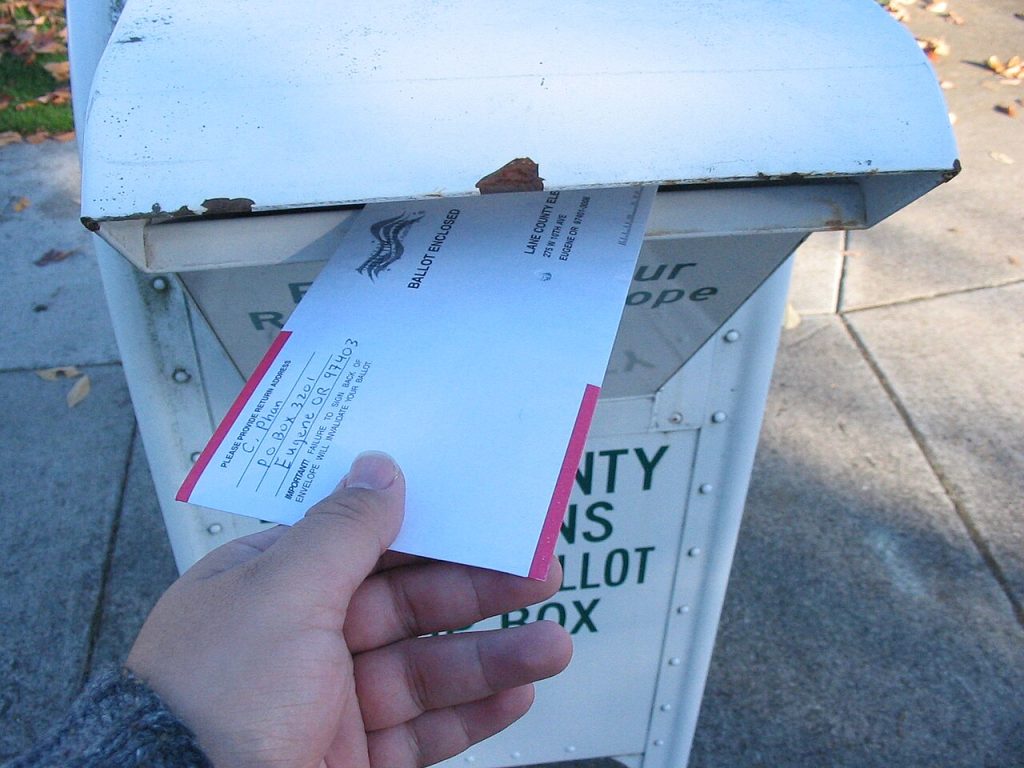
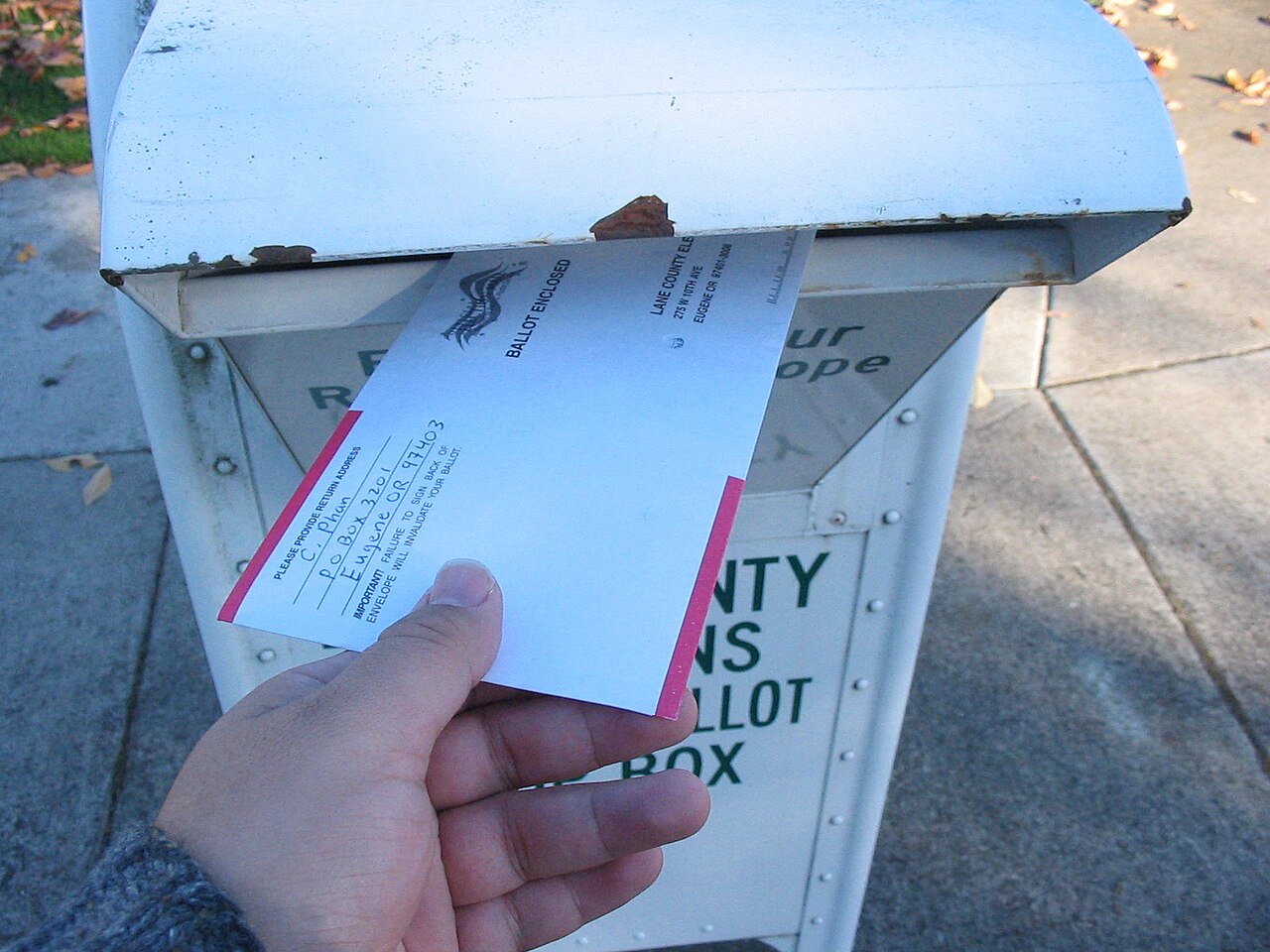
Higher Heights is asking Black women across the country to raise voice to this issue at the ballot box this November. This election is about harnessing the power of Black women’s votes, to ensure that candidates feel compelled to address issues such as equal pay and the other issues of greatest importance to Black women.