



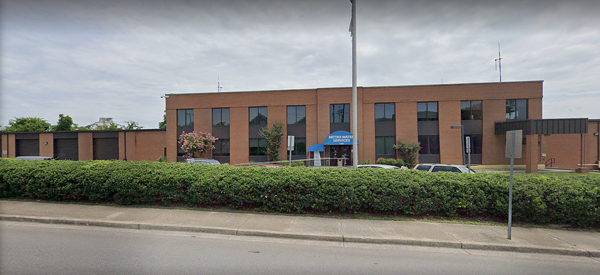
Metro Water Services (MWS) have submitted revised and final recommendations for proposed rate increases to the Tennessee Comptroller of the Treasury based on the comprehensive Water and Sewer Financial Planning and Cost of Service Evaluation (Cost of Service Study), which was first submitted to the Mayor’s Office on August 20, and the Tennessee Comptroller of the Treasury and the Tennessee Water and Wastewater Financing Board on August 27. The revisions and recommendations are based on review and comments of the Cost of Service Study and upon request of the Tennessee Comptroller’s Office with the agreement of the Mayor’s Office.
In the May 2019 budget hearing, MWS Director, Scott Potter stated that the Cost of Service Study had been commissioned and that he anticipated bringing a rate proposal before the council.
“Metro Water Services operates as an enterprise fund. Our revenue comes from rates and fees charged to our customers,” said Potter. “With this money, MWS pays for operating, maintaining, and funding capital improvements for our water and wastewater systems.”
Nashville’s last water and sewer rate increase was in 2011. Prior to that increase, MWS had not raised water and sewer rates for 13 years. According to the department, in the past 10 years, operating costs have increased 30% and capital needs for maintenance and upgrades have increased as well.
Under then Mayor Megan Barry, a rate adjustment was recommended in 2016, with a proposed implementation of FY 2017, but the Mayor’s office under Berry refused to support the increase, forcing MWS to scale back on capital activities.
According to MWS spokesperson Sonia Allman, the results of the Cost of Service Study confirm the need for rate and fee adjustments.

“With the support of Mayor Cooper, MWS will file new rate structure legislation that incorporates needed water and sewer rate increases for both residential and non-residential customers with the Metro Council on November 5,” she said. “The proposed rate structure is cost-of-service based, encourages wise water use and conservation, and provides for affordable drinking water for essential residential use.
“A continued focus on developing and maintaining a sustainable infrastructure is critical to our city now and in the future. Therefore, the proposed rates include dedicated funds for water and sewer line improvements that will allow us to replace or rehabilitate a percentage of our aging pipes each year. MWS is committed to providing the same exceptional quality of service to all Nashville neighborhoods and has $1.4 billion worth of proposed capital projects spread across all districts it serves.”
In addition to the new rate structure, development related fee increases will be considered. In 2009, development fees were decreased 50% due to the economic crisis. Although cost studies were periodically completed, development and other fees were never re-established to recover costs.
“We anticipate rate and fee adjustments to be effective January 1, 2020 upon approval by Metro Council,” said Allman. “This date is reflected in the study provided to the Comptroller, which will be presented to the Water and Wastewater Financing Board Members in November. As a result of this meeting, it is likely MWS will receive an order from the Board to implement the plan.”
A rate calculator for the proposed increase can be found at <www.nashville.gov/Water-Services/Proposed-Rate-Increases>.