Nashville 9/11 Memorial Stair Climb

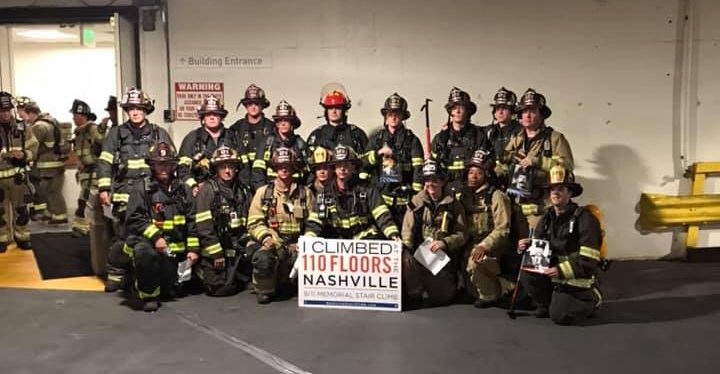
Photo from the 2019 Nashville 9/11 Memorial Stair Climb.

The 11th annual Nashville 9/11 Memorial Stair Climb will be held on the morning of Saturday, September 11, at William R. Snodgrass Tennessee Tower in downtown, Nashville. Three hundred and forty-three firefighters will climb 110 stories in remembrance of the 343 FDNY firefighters that died 20 years ago at the Twin Towers on 9/11/2001.

The stair climb was chosen for two reasons:

  1. FDNY firefighters at the Twin Towers on 9/11/2001 had to climb the stairs of the 110 story buildings in order to rescue and evacuate people and to reach the fire floors.
  2. A commitment to firefighter and community safety through physical fitness and training.

The 343 firefighters participating in the event will be wearing full gear (from 60 to 80 pounds) and climbing for someone specifically. Each climber will be given a badge to wear with the name and photograph of one of the FDNY firefighters killed on 9/11/2001.

All of the funds raised go to support the National Fallen Firefighters Foundation and are specifically earmarked to help families directly affected by 9/11/2001


Clemmons calls for attorney general probe into $9.2B I-24 toll lane contract

State Rep. John Ray Clemmons seeks an attorney general investigation into TDOT’s proposed $9.2 billion I-24 toll lane contract.

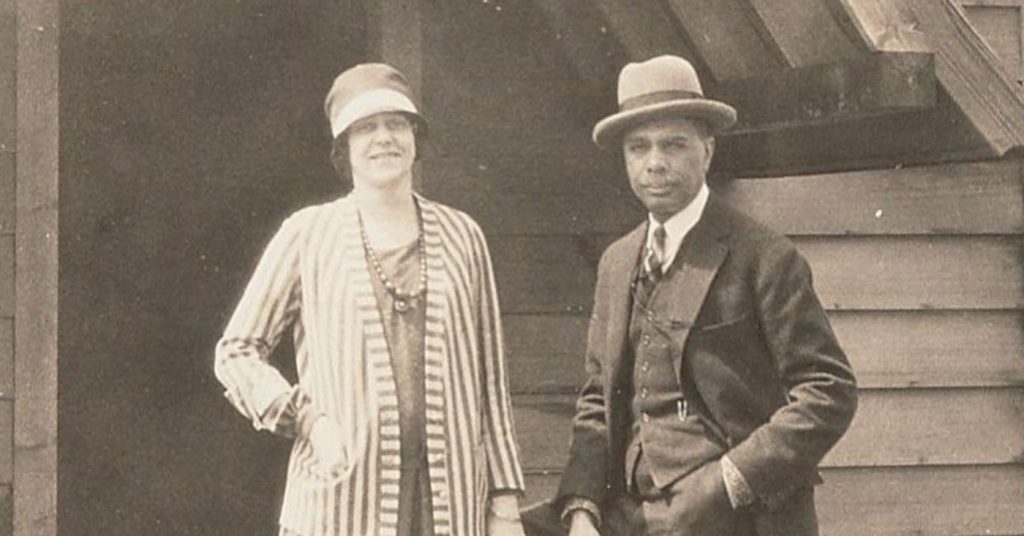
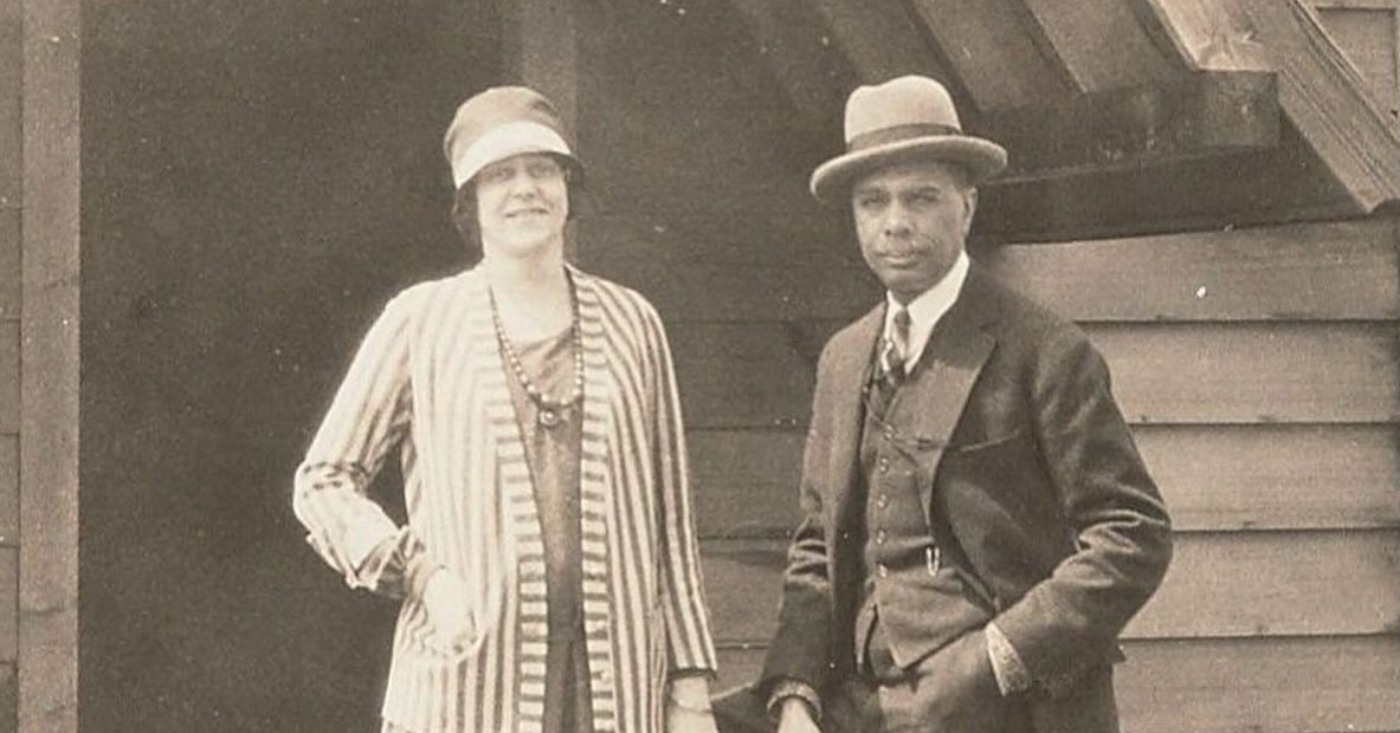
You had me at ‘hello’ —  love and legacy of Grace Nail and James Weldon Johnson

Explore the love and legacy of James Weldon and Grace Nail Johnson, whose activism, writing and preservation shaped Black history and culture.

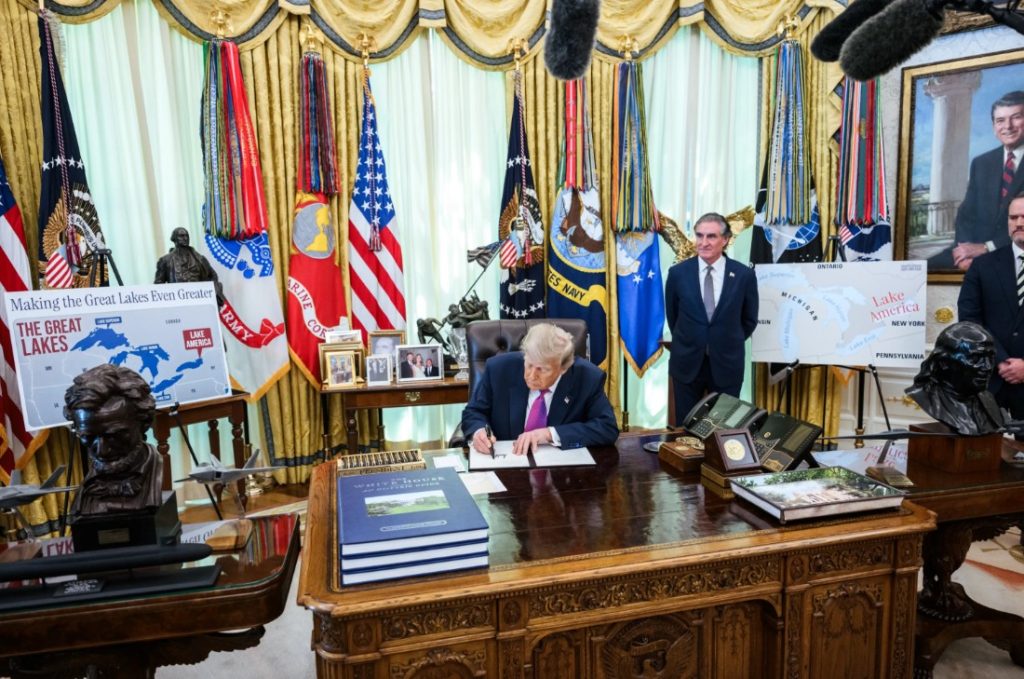
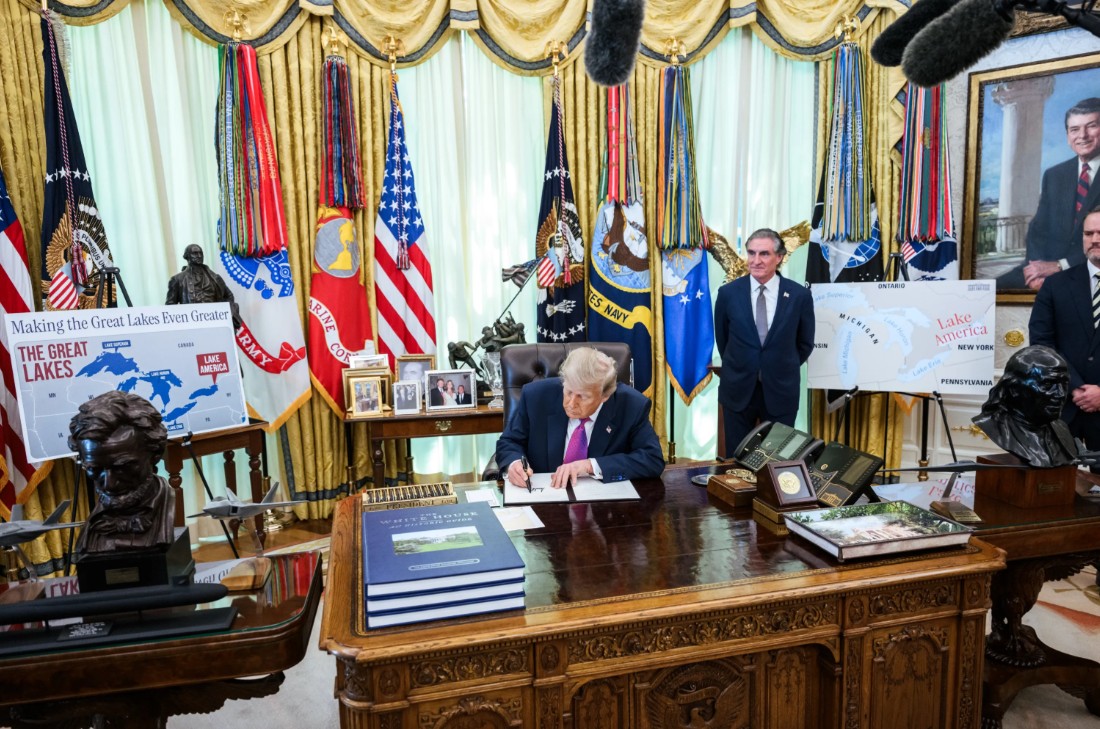
Trump renames Lake Ontario ‘Lake America’

President Trump orders Lake Ontario renamed “Lake America” for U.S. federal use, sparking opposition from Canada and New York.

NAACP, civil rights groups sue to block new USPS mail-in voting rules

The NAACP and civil rights groups sue to block new USPS mail-in voting rules they say could disenfranchise millions of voters.

Immigration decline raises concerns for U.S. workforce, rural communities

A sharp decline in U.S. immigration raises concerns about worker shortages, rural population loss, health care access and local economies.