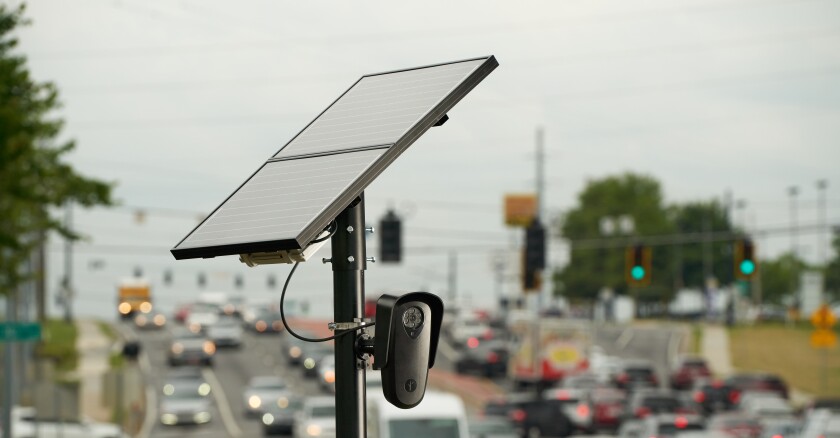
The Community Oversight Board (COB) voted on December 20 to oppose the use of license plate readers (LPRs) in Nashville. Community members, Council members, civil rights advocates, and technology experts have informed the COB about the potential uses of LPRs and the privacy concerns they carry. The COB has also issued several letters to the Metropolitan Council asking for increased community engagement, asking for the process to proceed slowly so that all community members could have their voices heard, raising concerns about potential sources of funding for LPRs, and highlighting conflicts of interest with council members and the District Attorney serving on the board of a non-profit that has indicated it would financially support LPRs.
According to the COB bylaws, one of the core missions of the COB is to “protect civilians’ rights and promote professionalism and best practices in the MNPD, enhancing community-police relations and creating a safer Nashville.” The powers and duties of the COB include: “advising and consulting with the Metro Council and the mayor on matters involving law enforcement and to recommend to the Metro Council and mayor measures designed to eliminate misconduct and to promote mutual respect between the community and law enforcement throughout Metro.”
According to Metro Community Oversight Board Executive Director Jill Fitcheard: “There is little consensus about LPRs in the community and the risks that surveillance technologies pose to privacy. These concerns are too great for many. These risks will be particularly felt by Black community members and other people of color in Nashville. The privacy risks in addition to the negative community feedback received by multiple board members led the board to vote in opposition to LPR implementation.
“The board also wishes to present the information it has compiled regarding regulations of LPRs should any bill regulating their usage pass. Through conversations with experts and a review from COB staff, there are several regulations that should be in place if an LPR system were implemented in Nashville.”
Those regulations include: a short data retention period, 24 hours or less; uses must be restricted to recovering stolen vehicles, Amber/Silver Alerts, or locating vehicles registered to individuals with a felony arrest warrant or probable cause that would lead to an arrest for a felony offense; and the COB must play a key role in oversight of the LPR system with the power to audit any aspect of the system, conduct analysis on where and how often LPRs scan plates, and alert the Metro Council of any concerns which would lead to the suspension of LPR use.
“If LPRs are used by MNPD, the COB will provide oversight to the fullest extent of our authority to ensure that residents’ civil rights are not violated,” said Fitcheard. “Conducting oversight over surveillance systems requires subject matter experts who will be able to determine whether policies are being followed and systems are secure. Accordingly, the COB staff will require additional personnel to ensure that LPRs have appropriate oversight are not misused. These staff will be requested for FY23.”