by Joseph Green-Bishop, Texas Metro News contributor
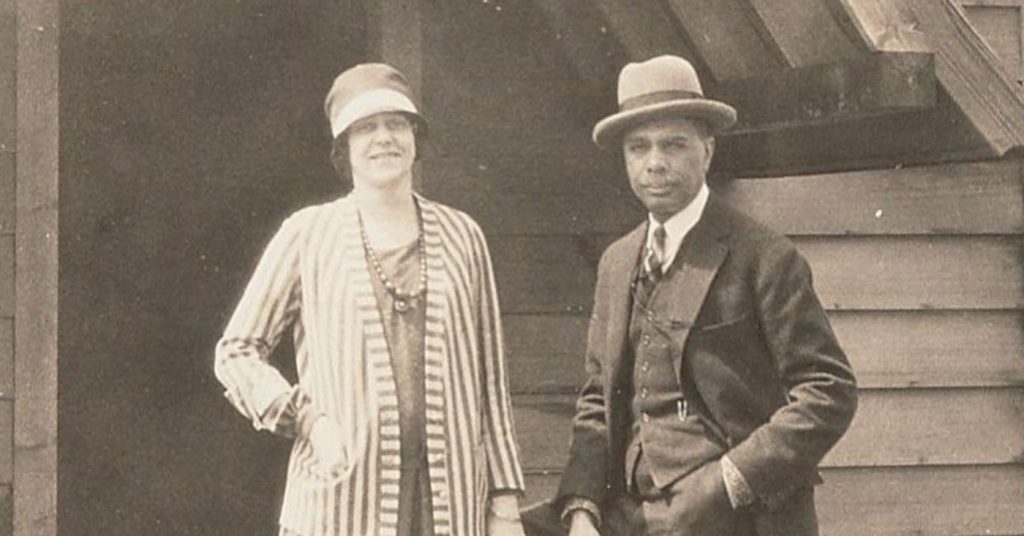
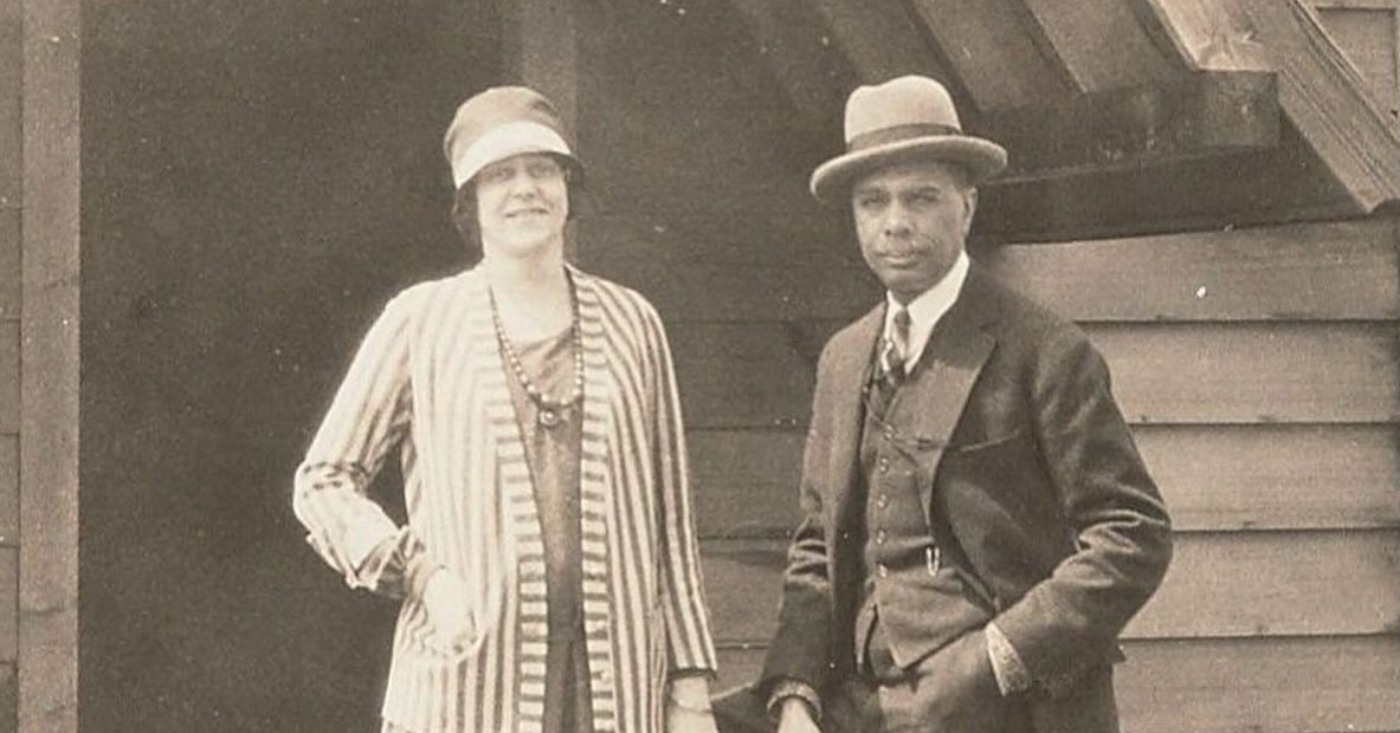
One of the most crucial figures in the American civil and human rights movements, Rev. Rhett H. James, who also helped to pioneer significant desegregation efforts in Texas, was honored posthumously at the 41st annual Dr. Martin Luther King, Jr. January 14, at the Hyatt Regency Hotel in Dallas.
Rev. James, who included among his confidants, notables such as Dr. King and President Lyndon B. Johnson, invited the civil rights leader to speak in Dallas in January of 1963, to an audience of nearly 3,000. It was the first time that Dr. King spoke in the city.
The ‘Trail Blazer Award’ will be presented to his four children, Pamela James Jones, Cedric James, Steven James, and Gregory James.
“Rev. Jones was one of the most brilliant minds that this community has ever known,” said Candace Wicks, a Dallas native who serves as vice chair of the Martin Luther King, Jr. Community Center’s advisory board.
The center is supported by the city of Dallas.
“The legacy of Rev. James is important, and proper recognition of him is long overdue,” Wicks said. “There are people in our city who do not know the significance of Rev. James. He is one of the most important citizens in the history of Dallas. He is more than worthy of being honored.”
Rev. James, who died in 2004, became the pastor of the New Hope Baptist Church in Dallas in 1958. Three years later he became the first African American awarded a master of theology degree from Texas Christian University. Twenty years later he earned a doctorate degree from the University of Texas in Arlington, where he later became the first Black professor on the school’s teaching staff.
He was president of the Dallas Chapter of the NAACP and frequented the White House for policy exchanges while his friend, President Johnson, was president.
An ardent proponent of education, Rev. James received his bachelor’s degree from Virginia Union University in Richmond. He worked with others to relocate Bishop College from Marshall, Texas to Dallas. He also served as a teaching recruiter, and administrator for the Dallas Independent School District.
“Rev. James was a brilliant civic leader and pastor,” said Rev. Ronald E. Jones, a former Garland, Texas mayor who, like Rev. James, pastored at New Hope. “He was a giant as a pastor and a giant as a leader and human being.”
Rev. James retired from New Hope in 1986. Rev. Jones was among the younger members of the clergy who learned principles of faith and responsibility from Rev. James while he pastored at the church.
Wicks said the event would be the first in-person gala in two years.
“We were halted by COVID-19,” she said, adding that proceeds from the event will help seed academic scholarships for college students and will contribute towards the operating budget of the King Center. “The work that we do in the areas of housing, education, healthcare, financial assistance and so many others is consistent with the life and work of Dr. James. Like him, The King Center is committed to assisting others.”