


In 1926 Carter G. Woodson founded the first Black History Week, selecting the second week of February to commemorate the birthdays of Abraham Lincoln and Frederick Douglass, whose birthdays were the 12th and 14th, respectively. In the 1940s, efforts began to expand the week to a month, with West Virginia Blacks inaugurating the change.
Known then as Negro History Month, the expanded commemoration began to spread and by the mid-1960s had taken root in Chicago, where cultural activist Frederick H. Hammaurabi, who founded the Association for the Study of African American Life and History, made the change. Later in that decade, young Black college students all over the country (starting with Kent State in Ohio in February of 1969), who were becoming more politically conscious and active, began changing the name to Black History Month.
In 1974 then-President Gerald Ford met with civil rights leaders Vernon Jordan, Bayard Rustin, Dorothy Height, and Jesse Jackson and two years later made the celebration of Black History Month official. As he said at the time: “We can seize the opportunity to honor the too-often neglected accomplishments of Black Americans in every area of endeavor throughout our history.”
The Association for the Study of African American Life and History notes on its website about the adoption of Black History Month: “Since the mid-1970s, every American president, Democrat and Republican, has issued proclamations endorsing the Association’s annual theme.”
Nashville is celebrating the holiday this month at events throughout the city. Listed below are just a few.
Nashville Public Library
The Civil Rights Room in the Nashville Public Library is a space for education and exploration of the Civil Rights Collection. The materials exhibited capture the drama of a time when thousands of African American citizens in Nashville sparked a nonviolent challenge to racial segregation in the city and across the South.
National Museum of African American Music
The National Museum of African American Music (NMAAM) officially opened to the public in January 2021. Discover the central role African Americans have played in shaping and creating all genres of American music. From classical to country to jazz and hip hop, NMAAM has integrated history and interactive technology to share the untold story of more than 50 music genres and sub-genres. Tours initially follow a weekend schedule and will be held on Saturdays and Sundays, 11 am-6 pm.
Tennessee State Museum
Learn more about Black History at the Tennessee State Museum. The permanent exhibitions feature Black History from the early days of the state’s beginnings through the Civil War and Reconstruction and the Civil Rights Movements in Tennessee. Throughout the month of February, the Tennessee State Museum will honor the stories of some of Tennessee’s most noteworthy historic Black businesses with ‘The Legacy of Black Entrepreneurship in Tennessee’ series. Each Thursday as part of its ‘Lunch & Learn’ program, a guest will join the museum’s curator of social history, Tranae Chatman, for a conversation on how they continue the legacy of their family businesses.
United Street Tours
United Street Tours offers a series of five-star rated, historical Nashville walking tours that are led and curated by locals. Tours show the hidden culture that many find difficult to discover on their own and are educational, interactive, and inclusive. The focus is on slavery, freedom, civil rights, culture, and social justice. Great for all age groups.
Frist Art Museum
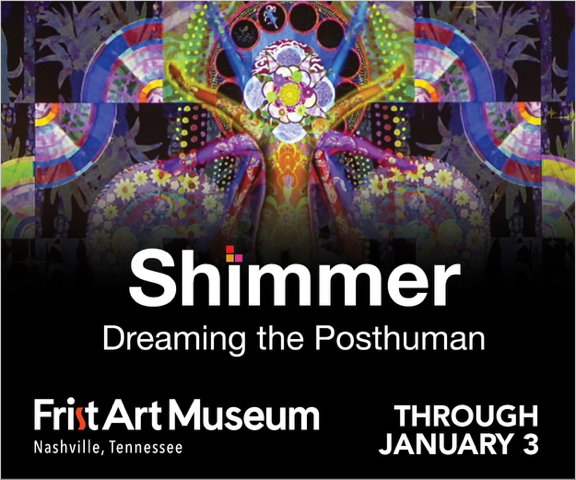
Nigerian Belgian artist Otobong Nkanga creates tapestries, drawings, videos, sculptures, and performances that feature narratives of wounding and healing, making metaphorical links between the landscape and the traumatized human body. Mapping new paths toward recovery, Nkanga’s work conveys the necessity of acknowledging the violence caused by exploiting natural and human resources if we are to overcome the damaging legacy of extraction under colonialism and global capitalism. This exhibition is part of the Tennessee Triennial for Contemporary Art, a statewide series of exhibitions and performances coordinated by consulting curator María Magdalena Campos-Pons of Vanderbilt University’s Engine for Art, Democracy and Justice that explores the theme of repair and healing, particularly with regards to the Global South and its colonial history.
Nashville History on Tour
Nashville History on Tour offers a variety of catered tours of Nashville. Tour guide, David Ewing, is a nationally recognized expert on the Civil Rights and helped locate the lost mugshots of John Lewis’ arrest for the lunch counter sit ins and helped present them to Congressman Lewis in Nashville. Ewing also is featured in the new ‘U.S. Civil Rights Trail’ by Deborah Douglas. Explore how Nashville was one of the most important cities for marches, arrests and bombing stories and this movement was led by John Lewis, Diane Nash, Rev. Jim Lawson and Rev. Kelly Miller Smith around John Lewis Way (formerly 5th Ave.) and Church Street; and Dr. Martin Luther King’s visits and speeches during the era. See the Woolworth building and the Civil Rights Room of the Nashville Public Library.
Learn about African American famous people, including: artist William Edmondso, the first African American artist to have a solo show at the MOMA; attorney, J.C. Napier; future Congressman John Lewis; architect, Moses McKissack; businessman Preston Taylor; and the world famous Fisk Jubilee Singers.
Nashville Software School
Join a vibrant and inclusive ‘hackathon’ experience where developers of all skill levels and backgrounds come together to collaborate, learn new skills, and build innovative projects on Friday, February 24, at 5 pm. With exciting mentorship opportunities, and fun social events, this hackathon is the perfect opportunity to connect with like-minded individuals and push your boundaries as a developer. Whether you’re an experienced coder or just getting started, all are welcomed to participate and contribute to the creativity and energy of the event.
Musicians Hall of Fame and Museum
The Musicians Hall of Fame and Museum pays homage to important moments in both Black history and music history through educational exhibits celebrating the musicians who created them.
The Motown exhibit is a re-creation of Motown’s first recording studio located in Detroit, Michigan, ‘Hitsville, U.S.A.’ highlighting not only the larger than life stars to emerge from Motown but the studio musicians who aided in creating a number of the most recognizable and celebrated songs of all time. Similar to the Motown exhibit, the Stax Records exhibit aims to educate visitors on the history of Stax Records through the stories and success of the studio musicians who recorded there. Unlike the Motown and Stax Records exhibits, the Sun Studio exhibit focuses less on studio musicians and more heavily upon the vast, diverse, and skilled artists who recorded there. Among the recording studio exhibits include: displays that showcase the accomplishments of individual artists, such as B.B. King and Jimi Hendrix.
Fisk University
Unite with young Black leaders who have a passion to see our generation transformed through the power and message of the Gospel, February 21, 6 pm.
Nashville SC
Nashville SC will host a special panel discussion about issues of diversity, equity and inclusion as it relates to the Black community on February 21, at the Main Nashville Public Library. Panelists include: CJ Sapong, David Ewing, Ashford Hughes, Zulfat Suara, and Desmond Armstrong.
Andrew Jackson’s Hermitage
Held at The Hermitage Church, the Black History Month Memorial Service will feature music and special remarks, followed by a procession to the slavery memorial ‘Follow the Drinking Gourd.’ There, 150 flowers will be laid by attendees, marked with the names of all those known to have been enslaved at The Hermitage: Saturday, February 25, at 11 am.