The U.S. Supreme Court plans to deliberate on two pivotal cases that could redefine the boundaries of state action within social media. Lindke v. Freed and O’Connor-Ratcliff v. Garnier attempt to address whether a public official’s social media presence can be considered an extension of their governmental role and if blocking individuals from personal accounts constitutes a First Amendment violation.
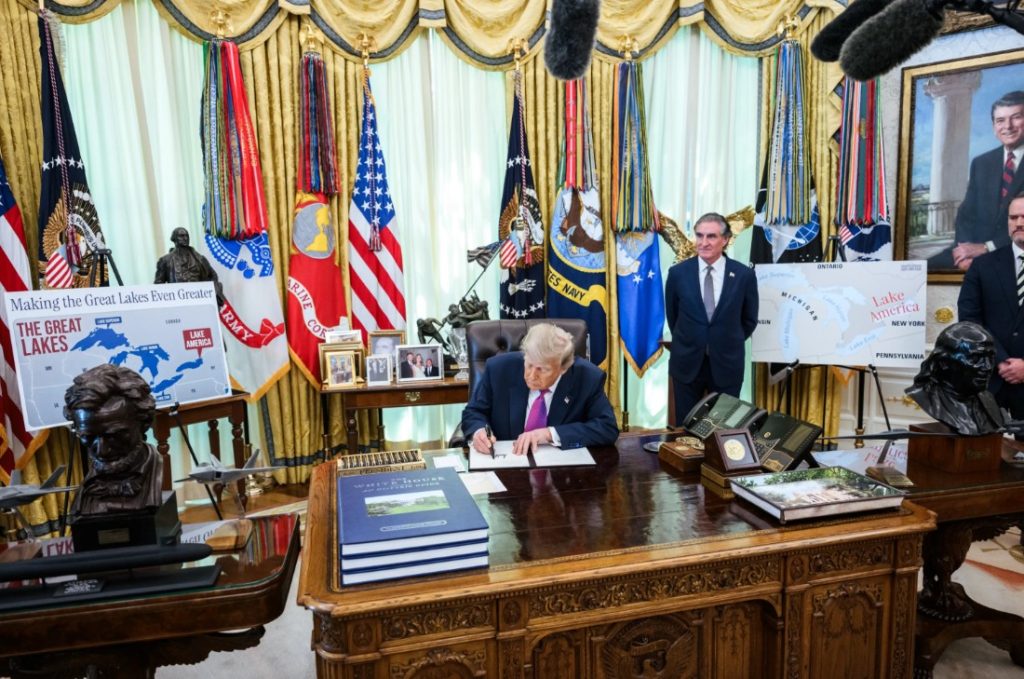
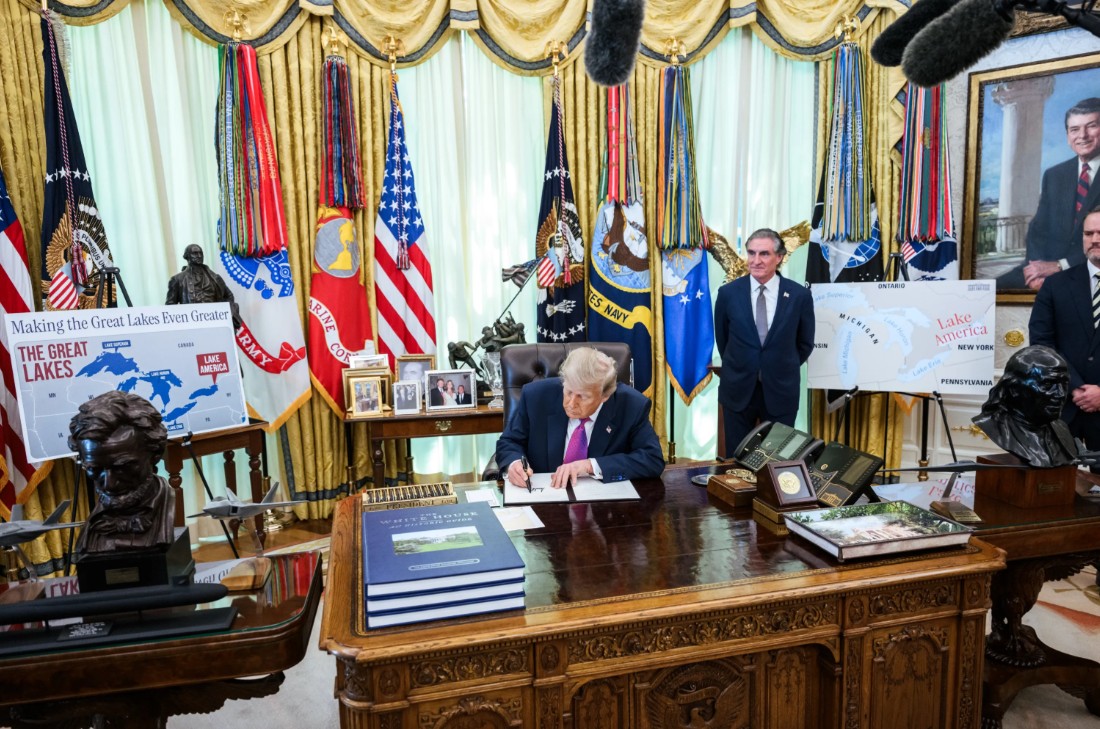
During his presidency, Donald Trump was sued, and the courts ruled against him. The reason was that he frequently used his Twitter account to make official announcements. But that lawsuit was tossed out once he left office in January 2021. Twitter initially disabled Trump’s account, but Elon Musk, the new owner, later decided to reverse this decision as part of a major overhaul that included renaming the social media site to ‘X.’

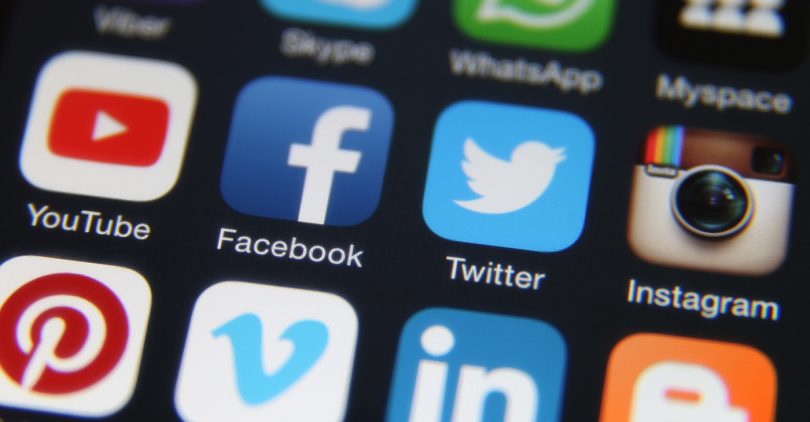
In Lindke v. Freed, the central issue is whether a public official’s social media activity can be categorized as state action only when the account is used to perform a governmental duty or done under the authority of their office. The question strikes at the heart of the evolving digital communication landscape, where public officials increasingly utilize platforms like Twitter and Facebook to engage with constituents and disseminate official information.
According to Harvard Law Today, the case involves John Freed, the city manager of Port Huron, Michigan, who regularly used the Facebook page he first created as a college student to share a mix of news ranging from the opening of a new city playground to updates about his home improvement projects. “When Port Huron resident Kevin Lindke commented negatively on one of his photos in March 2020, Freed deleted Lindke’s remarks and blocked him from accessing the page,” Harvard Law Today reported.
The second case arose in Poway, California, where two school board members, Michelle O’Connor-Ratcliff, and T.J. Zane, blocked two local parents, Christopher, and Kimberly Garnier, from their social media accounts, which they too had created prior to taking office. “In both cases, the aggrieved constituents sued under a federal law (Section 1983 of Title 42 of the United States Code) which requires that people acting on behalf of the government must not deprive anyone ‘of any rights, privileges, or immunities secured by the Constitution,’” Harvard Law Today noted. But the separate appeals courts hearing the two cases rendered opposing judgments, relying on different analyses.
Now, the high court faces the issue of how to deal with questions pertaining to the personal social media pages of public officials. Appeals courts have already determined that when public officials create an online place for public comments, the First Amendment’s freedom of speech prevents those officials from blocking people whose comments they don’t like.
“Does the local government own the social media account?” asked Amanda Karras, general counsel of the International Municipal Lawyers Association. “Does it authorize or require creation of the account, and does the account utilize government resources?”
Countering that argument, Lindke’s lawyer, Allon Kedem, said public officials can’t block critics. “One of the key aspects of this case is that Mr. Freed was talking to the public as a city manager,” Kedem said. Freed was “essentially performing his job by answering their questions about the services that the city was providing,” Kedem said.
The Supreme Court hearings for both cases begin on November 6.