
The United States House of Representatives passed bipartisan legislation to potentially ban TikTok, the viral video-sharing platform owned by a China-based company. The move highlights lawmakers’ growing concerns over the app’s possible threats to national security.
The Protecting Americans from Foreign Adversary Controlled Applications Act bill sailed through the House with a decisive vote of 352-65, with one member, Rep. Jasmine Crockett, D-Texas, voting present. Now, all eyes turn to the Senate, where the bill’s fate remains uncertain, albeit with less immediate pressure to act.

“Communist China is America’s largest geopolitical foe and is using technology to actively undermine America’s economy and security,” said House Speaker Mike Johnson (R-La.), who cautioned against TikTok’s potential to access American data and spread “harmful” content.
Yet, despite the bipartisan consensus, the bill faced notable opposition from both ends of the political spectrum. Fifty Democrats and 15 Republicans voted against it, including prominent figures like Reps. Pramila Jayapal (D-Wash.), Ro Khanna (D-Calif.), and Marjorie Taylor Greene (R-Ga.).
Some members of Congress expressed concerns over potential infringements on free speech, while others feared adverse impacts on small businesses.
Central to the debate is whether TikTok poses a legitimate national security threat or if the legislation risks curtailing First Amendment rights. Critics argue that the Chinese government could exploit the app to access personal data and influence user behavior, particularly among minority communities.
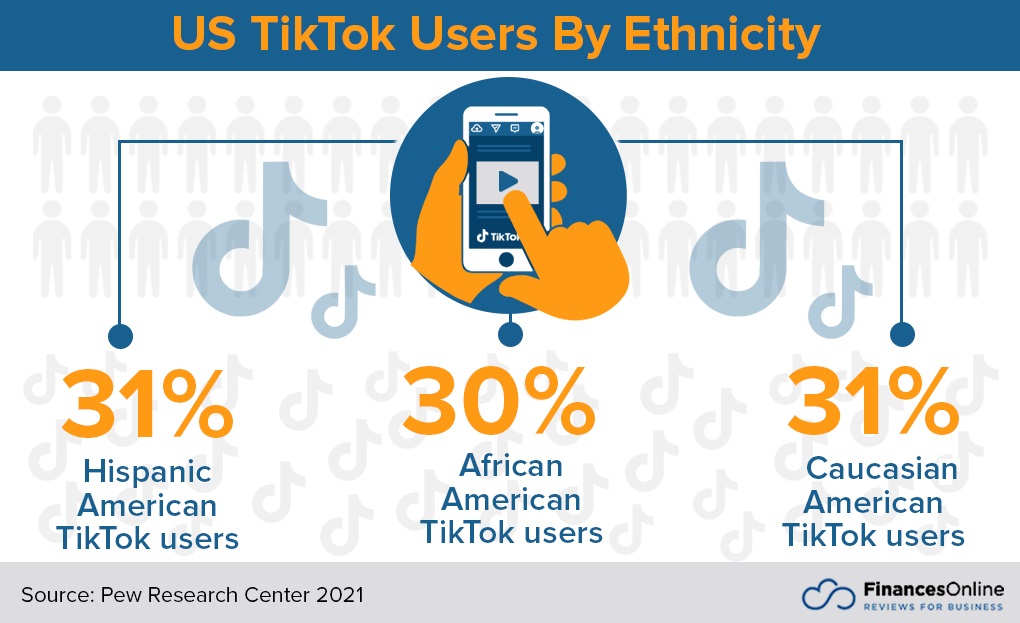
Recent demographic data highlighted TikTok’s broad reach, with over 834 million users globally. In the United States, TikTok boasts the largest audience, with over 135 million users, most of whom are under 20 years old. Notably, 31% and 30% of TikTok users are Hispanic and African Americans, respectively, with whites coming in second at 18%.
TikTok, however, has vehemently opposed the legislation, asserting that it would violate the First Amendment rights of its US users and detrimentally impact thousands of minority-owned small businesses that rely on the platform. The company has launched an aggressive lobbying campaign to combat the proposed legislation.
Paul Tran, co-owner of a skincare company whose success is largely attributed to TikTok, expressed apprehension about the bill’s potential ramifications. “You will be destroying small businesses like us; this is our livelihood,” Tran cautioned lawmakers. “If you pass this bill, you will be undermining the American Dream that we cherish.”
Proponents of the legislation maintain that it aims to address genuine national security concerns. The bill would empower the president, with input from intelligence agencies, to designate specific social media applications under the control of foreign adversaries as national security threats. Once designated, these apps would face bans from online stores and hosting services unless they severed ties with foreign adversaries.
Rep. Mike Gallagher (R-Wis.), the bill’s author, emphasized the need for TikTok to sever ties with its parent company, ByteDance, to mitigate security risks while allowing users to continue enjoying the platform. Gallagher stressed the importance of safeguarding American democracy and protecting users, mainly minority communities, from foreign influence.
As the bill now heads to the Senate, President Joe Biden, who recently joined TikTok as part of his 2024 campaign, has pledged to sign it into law if it reaches his desk.