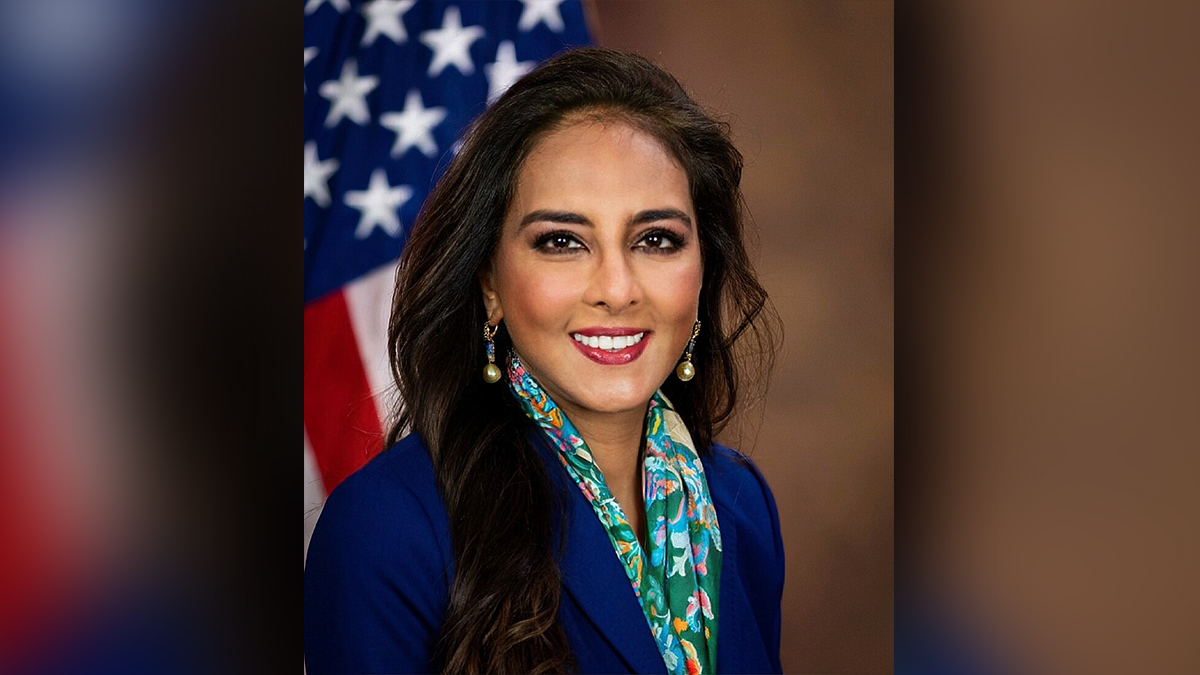
WASHINGTON, D.C. — The NAACP has sharply criticized Harmeet Dhillon’s leadership of the U.S. Department of Justice’s Civil Rights Division following her November 5 resignation, accusing the former assistant attorney general of weakening federal civil rights enforcement and abandoning protections for vulnerable Americans.
Dhillon’s departure comes after a tenure marked by sweeping changes to the division’s priorities, significant staff departures and disputes with civil rights organizations over the federal government’s responsibility to combat discrimination.
Kristen Clarke, NAACP general counsel and a former assistant attorney general for civil rights, issued a strongly worded statement condemning Dhillon’s record.
“From day one, Harmeet Dhillon abdicated her responsibility to enforce our nation’s federal civil rights laws and destroyed the crown jewel of the Justice Department,” Clarke said.
The NAACP accused Dhillon of abandoning major voting rights cases, withdrawing from police reform agreements and redirecting federal civil rights investigations toward politically motivated objectives.
The organization also criticized the departure of approximately 75% of the division’s workforce, arguing that the loss of experienced attorneys and other personnel undermined the government’s ability to investigate discrimination and enforce civil rights protections.
During Dhillon’s tenure, the Justice Department withdrew from several police reform investigations and agreements, shifted its approach to voting rights enforcement and expanded investigations of colleges and universities involving allegations of discrimination.
The NAACP argued that those changes diverted resources from longstanding priorities, including combating racial discrimination in housing, employment and education.
Clarke said the consequences extended beyond individual cases, warning that the division’s changing priorities had weakened federal oversight of hate crimes, police misconduct, voter suppression and other forms of discrimination.
Dhillon, a conservative attorney and longtime ally of President Donald Trump, was confirmed by the U.S. Senate in April 2025 despite opposition from civil rights organizations.
She defended her record following her resignation, pointing to the division’s efforts to challenge diversity, equity and inclusion programs and address issues involving religious liberty and women’s sports.
Attorney General Todd Blanche praised Dhillon’s leadership, saying she had defended Americans’ civil liberties and enforced the law fairly.
Dhillon said her decision to leave was voluntary and that she intended to return to private legal practice.
The Justice Department’s Civil Rights Division was established in 1957 during the modern civil rights movement to enforce federal laws protecting Americans from discrimination.
Its responsibilities include enforcing voting rights laws, investigating unconstitutional policing practices, prosecuting hate crimes and addressing discrimination in housing, employment and education.
or decades, the division has played a central role in enforcing laws enacted during the civil rights movement, including protections secured through the efforts of Black Americans and civil rights organizations.
The NAACP said it would continue monitoring the Justice Department’s enforcement activities and hold future leadership accountable for protecting those rights.
“To Dhillon’s replacement, know that we will continue to demand that you respect the agency’s sacred mission, enforce the law fairly, and protect our civil rights,” Clarke said.
The organization also reiterated its opposition to Attorney General Blanche’s leadership, signaling that its concerns extend beyond Dhillon’s departure.
For the NAACP, the resignation represents a leadership change, but not an end to its concerns about the direction of federal civil rights enforcement.