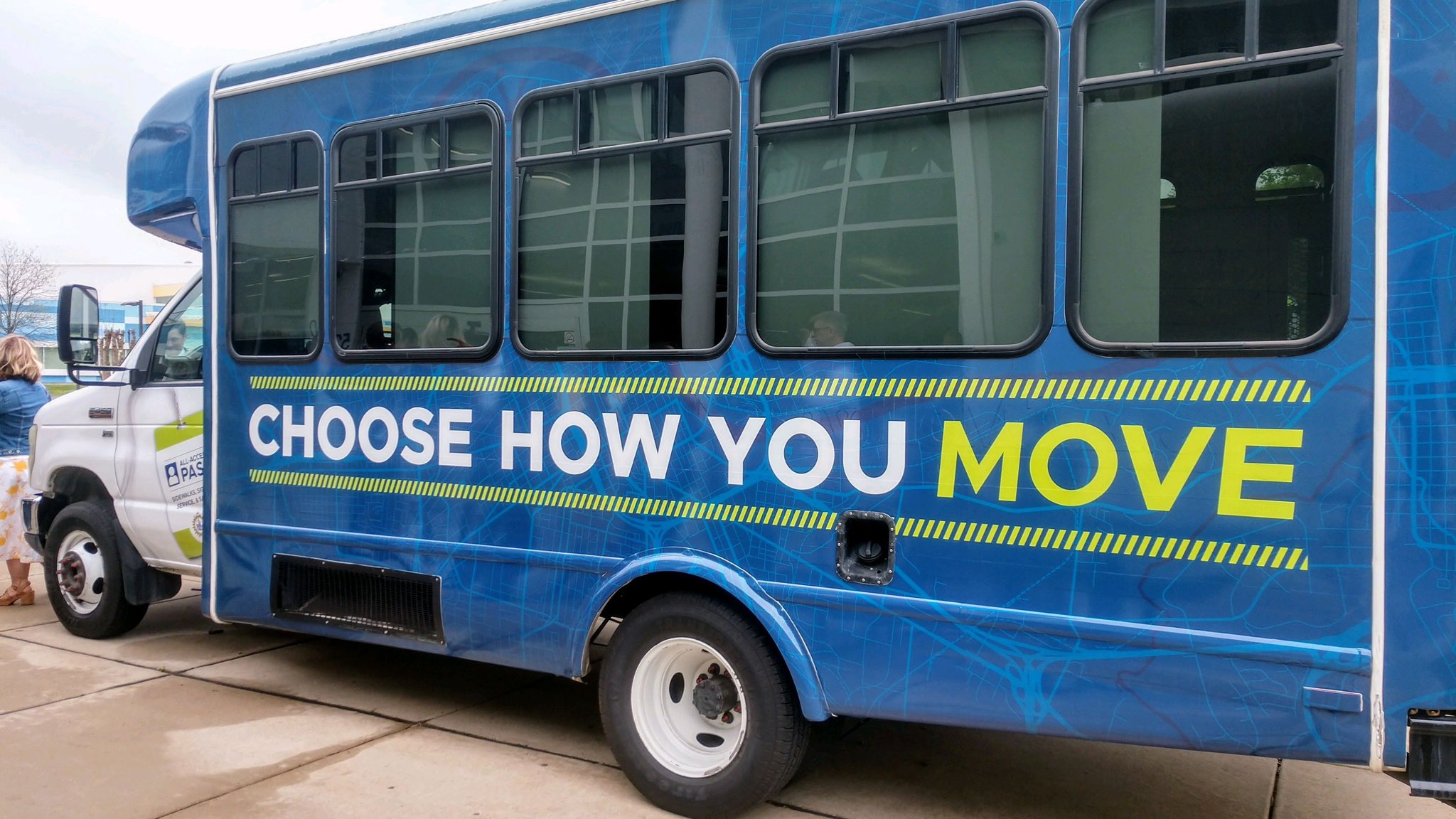
On Friday, April 19, Mayor Freddie O’Connell unveiled the details of his transportation improvement program, Choose How You Move: An All-Access Pass to Sidewalks, Signals, Service, and Safety, which Nashville residents will vote on in November.
At an event at Southeast Community Center in Antioch, Mayor O’Connell unveiled the transportation improvements he termed “informed by Nashvillians, built to work for Nashvillians, and that deliver on something Nashvillians want.”

The program was built from ideas generated over a decade of transportation planning, weeks of community engagement, meetings with Metro Council members, and feedback from two citizen advisory committees.
“Ninety percent of Nashvillians told us through Imagine Nashville that they support investing in public transit and the Choose How You Move Program will get us where we want to go faster and safer, no matter how you’re moving,” Mayor Freddie O’Connell said. “This is the best opportunity we’ve ever had to build out our priority sidewalks, to synchronize signals so you’re spending less time at red lights, and to connect neighborhoods via a better transit system that doesn’t have to come downtown just to go somewhere else. This is about the sustainability of our workforce and this community, and how we bring the cost of living down so that our residents can afford to live here.”
Details of the program, along with maps and timetables, are available at nashville.gov/transit. They represent practical and tested improvements that will make an immediate impact and touch every council district.
According to O’Connell benefits of the program include:
- The addition of 86 linear miles of sidewalk, which is about the same distance as Nashville is from Cookeville. One out of every three Nashville residents will have direct, walkable access to a transit stop.We’ll have a 50 percent increase in walkable neighborhoods. This is how we supercharge Nashville’s entire priority sidewalk network.
- The transportation improvement plan will deliver smarter traffic signals that use technology to manage traffic flows and communicate wirelessly with our transit vehicles to keep them evenly spaced and moving quickly. There will be 592 new or upgraded traffic signals concentrated in some of our highest traffic areas. The signals tie into a new Traffic Management Center opening later this year. At that center, NDOT can see where traffic is heaviest and adjust our system in real-time to keep Nashvillians moving.
- Nashvillians will benefit from the Choose How You Move plan, whether we take the bus or not. But we’re going to make riding the bus easy, reliable, safe, frequent, and an all-hours option – a good fit for a 24/7 workforce.
- This initiative will establish 54 miles of high-capacity All-Access Corridors, where the entire route is designed to move people faster and safer with transit vehicles arriving every 15 minutes for better round-the-clock service. These All-Access Corridors include 10 of Nashville’s most heavily used roadways, and they carry 80% of Nashville’s transit ridership (such as Murfreesboro Pike, Gallatin Pike, Nolensville Pike, Dickerson Road, West End, Charlotte Pike, Bordeaux/Clarksville Pike and more). They’ll have dedicated transit-only lanes in strategic locations. Nashvillians will be able to travel the length of Murfreesboro Pike 12 minutes faster than you can today.
- Choose How You Move aims to build 12 modern transit centers at key locations in the city, so that riders can travel from neighborhood to neighborhood without having to go downtown.
- The plan calls for building 17 Park & Ride facilities located near high-capacity transit routes, so that more Nashvillians can access transit even if they don’t live near a bus route.
- Choose How You Move is going to double the hours of our high-frequency daily service and increase total bus service by almost 80%. That includes more express service and regional service while also expanding WeGo Star service and the WeGo Access program to 24/7 availability. The plan offers extended service hours for the local routes serving Nashville’s prime entertainment district and expands
O’Connell’s timeline fo the programs depends on the sales tax surcharge being approved by voters on November 5, 2024, with revenue collections beginning on February 1, 2025. The sales tax surcharge would end when all outstanding debt has been repaid.
The program has been designed so residents see improvements starting right away. Early projects include a WeGo Link microtransit pilot program, WeGo service enhancements, safety and lighting improvements, initial sidewalk improvements, and the introduction of traffic and signal improvements.
Within two years residents will see substantial bus service improvements such as expanded hours and frequency, continued sidewalk and signal installations, and the development of the first Complete Street project.
Within five years: More than 150 signals upgraded and modernized, along with upgrades to the Traffic Management Center to support these changes, and the first All-Access Corridors will begin high frequency service on West End, Charlotte Pike, and in downtown between Elizabeth Duff Transit Center and SoBro via James Robertson Pkwy, Rosa L Parks Blvd, and Lafayette St.
Within 10 years: 60 miles of new and upgraded sidewalks will be built, above and beyond NDOT’s regular sidewalk program; more All-Access Corridors will begin will begin high frequency service including Murfreesboro Pike, Gallatin Pike and Clarksville Pike, in downtown on James Robertson Parkway from Elizabeth Duff Transit Center to the East Bank, and service to the East Bank from SoBro via the Gateway Bridge.
At 15 years: Metro will have upgraded nearly all 600 traffic signals, will have secured 78 miles of the Vision Zero high-injury network with safety improvements, will have completed all 86 miles of new sidewalk, and will have implemented high-capacity transit on 10 of Nashville’s busiest corridors with Dickerson Pike and Nolensville Pike improvements coming online.