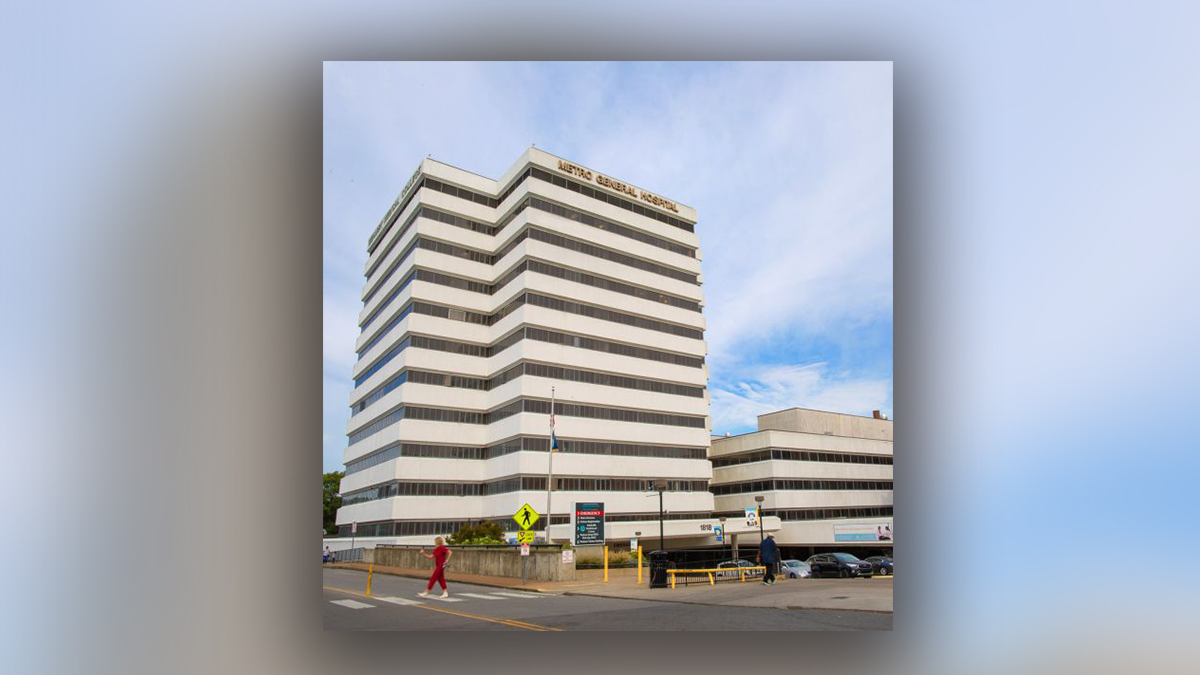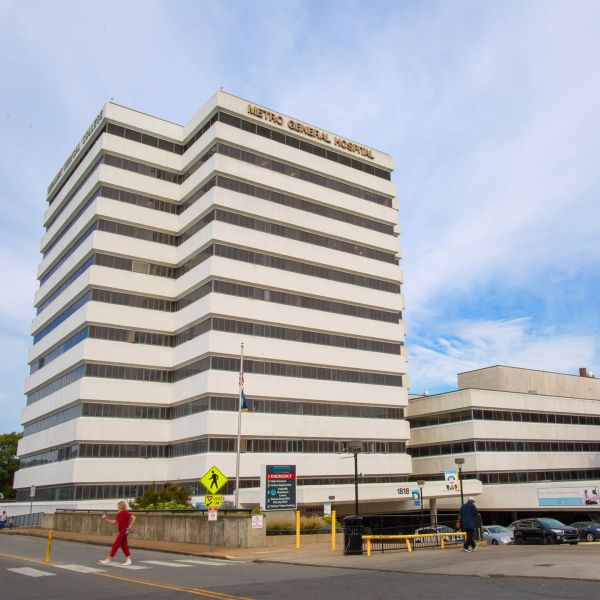
Mayor Freddie O’Connell is forming a vision committee to determine the future of Nashville General Hospital, including whether the city’s longtime safety-net hospital should remain at its current location or move to a new facility.
The announcement comes as the hospital faces aging infrastructure, growing patient needs and questions about its long-term financial sustainability.
Established in 1890, Nashville General provides essential medical services to uninsured, underinsured and low-income residents, delivering approximately $60 million annually in uncompensated care. The hospital has operated on the Meharry Medical College campus since 1998.
“This gives us a strong starting point for understanding evolving needs and setting a course for the future,” O’Connell said Friday during his weekly media roundtable.
The committee will examine facility requirements, potential locations and ways to strengthen Nashville General’s partnership with Meharry while keeping costs manageable for taxpayers.
The initiative follows several years of uncertainty involving hospital leadership and its relationship with Meharry. Former CEO Dr. Joseph Webb stepped down in 2025 following concerns about financial oversight and management. Dr. Veronica Elders subsequently assumed leadership and was named permanent CEO in June 2026.

In September 2025, Nashville General and Meharry signed a new professional services agreement, restoring a formal partnership that had lapsed in 2023. O’Connell had identified both developments as prerequisites for moving forward with long-term planning.
The hospital’s current lease with Meharry expires at the end of 2027, adding urgency to the process.
Meharry President Dr. James E.K. Hildreth and Elders welcomed the announcement.
“We applaud Mayor O’Connell for the formation of a Vision Committee to explore the future of healthcare in our city,” they said in a joint statement. “This is tangible evidence of Metro’s firm commitment to investing in a vibrant, world-class public hospital to serve all city residents.”
The leaders emphasized that a modern facility is essential to meeting Nashville’s changing health care needs.
Previous proposals considered building a replacement hospital on city-owned land in MetroCenter, but no location has been selected. O’Connell said the committee will evaluate where patients live and which communities have limited access to medical services.
“Part of what we’ll be doing is looking at where patients’ needs are, where we sense that there might be something like a healthcare desert,” he said.
Financing remains a significant challenge. An earlier study estimated construction of a new hospital could exceed $500 million, although that estimate is several years old.
“I’m hoping that this vision committee will give us a right-sized approach at reasonable public costs,” O’Connell said.
For Nashville’s Black community, the hospital’s future carries particular importance. Its longstanding partnership with historically Black Meharry Medical College has supported both access to care for underserved residents and the training of future medical professionals.
Elders stressed the need for long-range planning.
“Rapid changes in healthcare and patient needs, growing populations, and shrinking access require bold planning for Nashville General today and for 20, 30 and 50 years ahead,” she said.
O’Connell wants recommendations before the end of his current term. Committee members and a meeting schedule have not yet been announced.