by Ricky Clemons
It is no secret that the American film industry has a long and volatile history on racial issues. From fostering racist tropes and stereotypes, to under-representing minorities (both in front of and behind the lens) to whitewashing historical events in films from The Birth of a Nation to Green Book, Hollywood has always struggled to appropriately portray the Black experience in the United States.

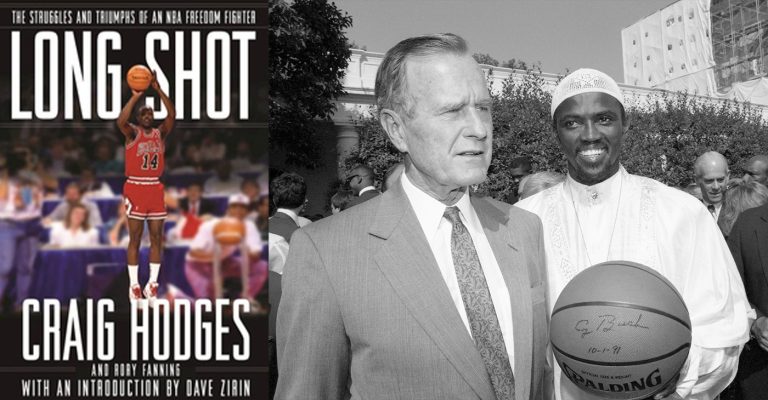
This is why it should not surprise anyone to hear that former NBA star and activist Craig Hodges is locked in a new dispute over a documentary on his life with Hollywood executives and producers. The former Chicago Bull, who helped the franchise win two of their six championships in the 1990s and was a vocal advocate for Black rights, is currently battling over the rights to his book Long Shot: The Triumphs and Struggles of an NBA Freedom Fighter with Wayfarer Studios, the production company run by actor Justin Baldoni and billionaire Steve Sarowitz.
While the details are dense, the matter can be boiled down to the fact that a Black man is once again fighting to tell his own story in the way that he sees fit. Hodges (who I will remind you is the subject of the documentary) wants British Indian producer Jivi Singh to tell his story, but Baldoni and Wayfarer allegedly wanted another director to make Hodges’ story more “palatable” for the NBA.
That is where the trouble begins. Differences of this kind are typical of Hollywood, but they are also typical of the historical Hollywood experience for Black people overall and the story of Hodges’ own life.
Remember, Hodges has long felt that the NBA blackballed him for his political activism and willingness to criticize his teammates for perceived inactivity on social issues. Even losing his livelihood did not cause him to back down from his principles, so Hodges surely expected that the executives at the production company that wanted to document his story would not hide behind identity politics as it softened its core messages.
The implications of Hodges’ dispute with Wayfarer are indicative of a larger, systemic issue in the film industry. It reflects broader patterns of exploitation that have historically plagued Hollywood. Similar instances can be found across the industry, where Black artists are often sidelined, or their contributions diminished. Media moguls play a significant role in perpetuating these issues, with power dynamics that prioritize profit over authenticity.
As Craig Detweiler, professor of film history at Pepperdine University, said in 2015: “There are a shortage of African American, Asian and Latino stars. For all Hollywood’s progressive politics, its casting decisions look remarkably retrograde.”
It’s not just casting, however, as Hodges’ dispute with Wayfarer clearly indicates. From producing to directing to deciding on creative vision to upholding a project’s ultimate vision, Black and Brown people in Hollywood are consistently being overruled and written out of the process—with implications for us all, as who shapes and guides stories can fundamentally alter the end results and the way important stories are told.
Moving forward, it’s crucial to advocate for equitable partnerships within the media landscape. This includes reforming contracts to ensure fair representation and creative control for Black artists, especially when it comes to their own stories. Supporting Black creatives and their stories is essential for fostering a more inclusive and honest portrayal of their experiences.