by Marc H. Morial
(TriceEdneyWire.com) – “He can try to rewrite history, but we have the receipts. And as the Smithsonian’s exhibits magnificently illustrate, African Americans have survived — and overcome — much worse than the frothings of a puffed-up president who fancies himself a king.” — Eugene Robinson

The history of enslavement, segregation, and discrimination in the United States has long been framed as a Southern story. In classrooms across the country, we were taught that slavery was a Southern institution—one that the North nobly fought to end. We learned that lynchings, Ku Klux Klan rallies, and Jim Crow laws were all Southern phenomena, as were the protests, sit-ins, and marches that eventually brought them to an end.
If Donald Trump has his way, even that incomplete version of civil rights history could be erased entirely. But he will not have his way.
Despite the revisionist fantasy behind Trump’s ludicrously titled executive order, Restoring Truth and Sanity to American History, the reality is clear: the story of racism—and the resistance to it—is not confined to the South. It is woven into the fabric of Northern cities too. The Urban Civil Rights Museum in Harlem will tell those stories—whether Trump wants us to or not.
Trump’s executive order is a blatant attack on cultural institutions that dare to examine uncomfortable truths. It is also a direct shot at the Smithsonian Institution’s National Museum of African American History and Culture. But the “Blacksonian,” as it’s affectionately known, is pushing back. And so are we.
The Urban Civil Rights Museum in Harlem will illuminate not only the traditional civil rights era of the 1950s and ’60s, but also the deeper and more expansive history of African American life and activism in Northern cities—from the Great Migration to the rise of the Black Lives Matter movement. We will not just tell the story of oppression—we will celebrate the movements that have resisted it.
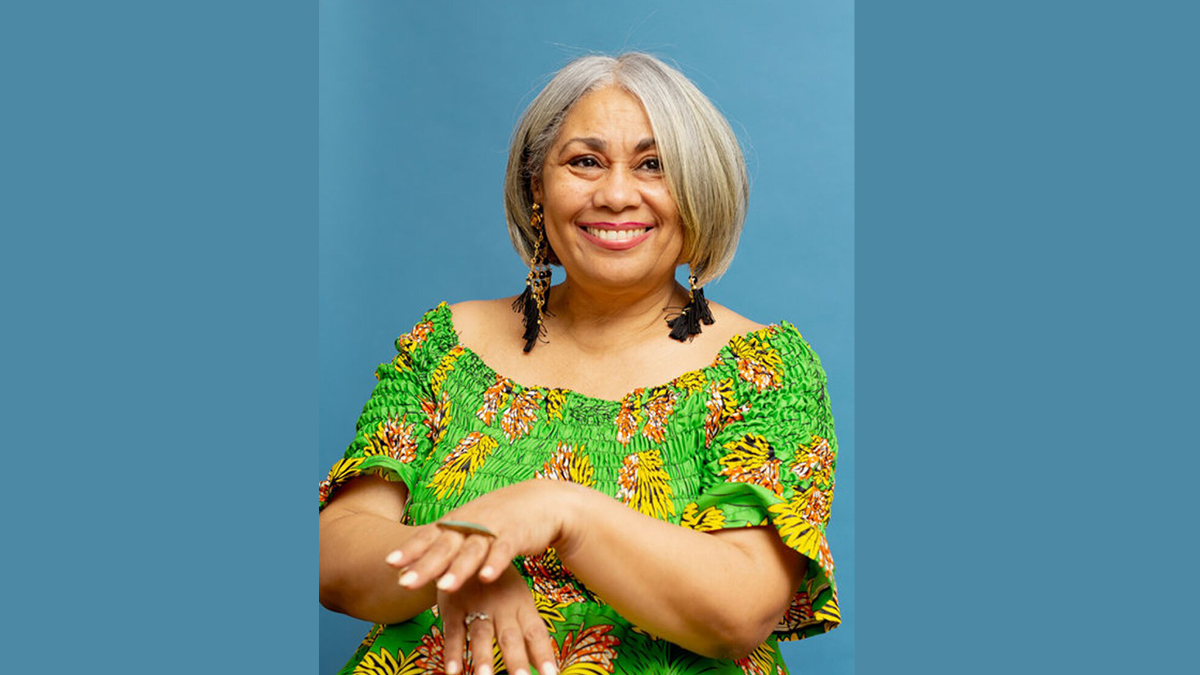
“As a museum focused on social justice, we hope to connect and communicate with the people, communities, and initiatives that are interested or becoming interested in fighting for change,” said museum director and chief curator Jennifer Scott. “The museum will be a place where one can see and feel the work of the many people who fought for justice in urban centers in the North—and reflect on past civil rights efforts so that we can imagine and inspire new possibilities of collective action.”
The museum will anchor the Urban League Empowerment Center, a $242 million, 414,000-square-foot complex that will house the National Urban League’s new headquarters. The center will also include 170 units of affordable housing, below-market office space for nonprofits and community organizations, and vibrant retail space.
Inside the museum, visitors will explore grassroots movements past and present, learn about civil rights legislation that reshaped the nation, and discover the tools being used today to fight inequality and injustice. Through exhibitions, public programs, and cultural events, we will invite visitors to reflect on democratic ideals—and to join in the ongoing work of building a more just and equitable society.
Trump’s executive order, which lacks the force of law, reflects a dangerous desire to sanitize American history. It is part of a broader campaign to erase the truth of systemic oppression and replace it with the false narrative that success is solely a matter of “merit and hard work.” But the truth will not be buried so easily.
When we began planning the Urban Civil Rights Museum, we could not have predicted how urgent our mission would become in today’s political climate. And while we don’t know what the landscape will look like when we open our doors next year, we do know this: we will never yield to those who seek to whitewash American history.