Tennessee State University (TSU) has finalized an agreement with the state to reallocate $96 million in previously earmarked infrastructure funds to address immediate financial needs, a move hailed by university leaders as pivotal in stabilizing the historically Black college’s finances. The agreement, completed June 17, comes amid nearly two years of financial and leadership upheaval and declining enrollment.
The $96 million is part of $250 million allocated to TSU by the state legislature in 2022 for capital improvements. Of the original amount, $99 million has already been spent. Under the new agreement, $96 million of the remaining $151 million will be directed to operational expenses over the next three years, while $55 million will remain allocated for capital projects, including upgrades to campus electrical grids and construction of new Food and Animal & Environmental Science buildings.

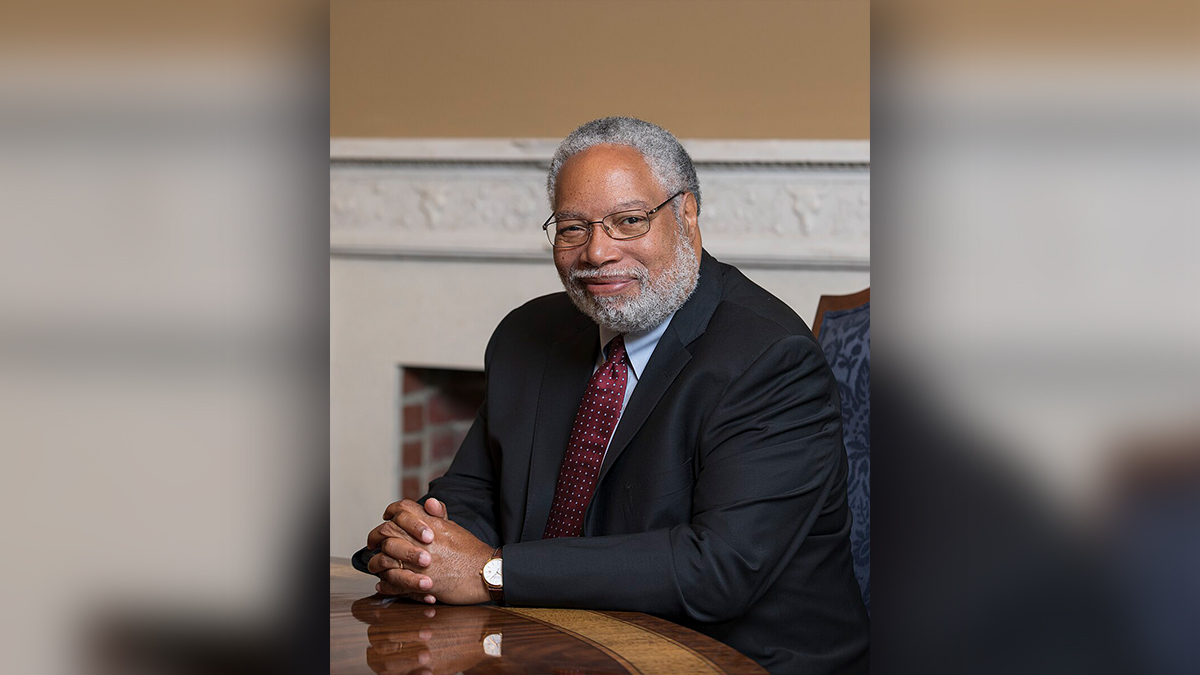
Interim President Dwayne Tucker, appointed by a newly installed Board of Trustees in December 2024, led the charge to secure the reallocation. The effort is a major component of Tucker’s five-year financial recovery plan, which also includes budget cuts, a hiring freeze, limits on scholarships, and a 6% tuition increase for the 2025-26 academic year.
“It not only provides crucial cash flow to ensure the university’s financial sustainability but also allows us to invest in enriching the student experience and strengthening our capacity to attract both students and qualified employees,” Tucker said.
The move comes after a November 2023 $43 million emergency allocation from the State Building Commission to cover payroll and keep TSU solvent for the remainder of the fiscal year. Tucker thanked several state leaders, including Comptroller Jason Mumpower and Commissioner of Finance and Administration Jim Bryson, for their support. Both officials have praised TSU’s progress and expressed confidence in the new leadership.
“The state is committed to TSU and is proud to support its legacy that advances workforce development and agricultural innovation,” said Mumpower. Bryson echoed the sentiment, saying the university was “once again on the rise.”
TSU’s financial instability stems in part from a rapid post-pandemic enrollment spike and aggressive scholarship strategy that strained the university’s budget. In 2022, enrollment peaked at 8,026, up significantly from previous years. When federal COVID relief funds were exhausted, the university struggled to cover the increased costs, tapping into insurance proceeds and making emergency budget requests.
The crisis prompted Senate hearings, the ouster of former President Glenda Glover, and a complete restructuring of the university’s Board of Trustees. An interim president appointed after Glover resigned later stepped down following revelations of unauthorized consulting contracts.
The reallocation of funds was made possible under a new state law allowing unused capital funds to be redirected toward operational expenses under strict guidelines. The memorandum of understanding, signed by TSU and state finance leaders, lays out how the funds will be used and monitored.
This financial relief follows a 2021 legislative report that found TSU had been underfunded by as much as $544 million over several decades. A federal study later suggested the shortfall could be as high as $2.1 billion.
Tucker has stated that the $250 million appropriation is a starting point and plans to continue advocating for the remaining funds. Board Chair Dakasha Winton also expressed optimism, calling the agreement “a transformational opportunity” to modernize TSU’s infrastructure and secure its future.
TSU is expected to announce new leadership soon, as Tucker’s interim term is set to end June 30. Despite the challenges, both university officials and state leaders have expressed renewed optimism about TSU’s path forward.