WASHINGTON, D.C. — The NAACP is raising concerns over a new executive order signed by President Donald Trump that would limit access to mail-in voting, calling the move a threat to fair elections and voter participation nationwide.
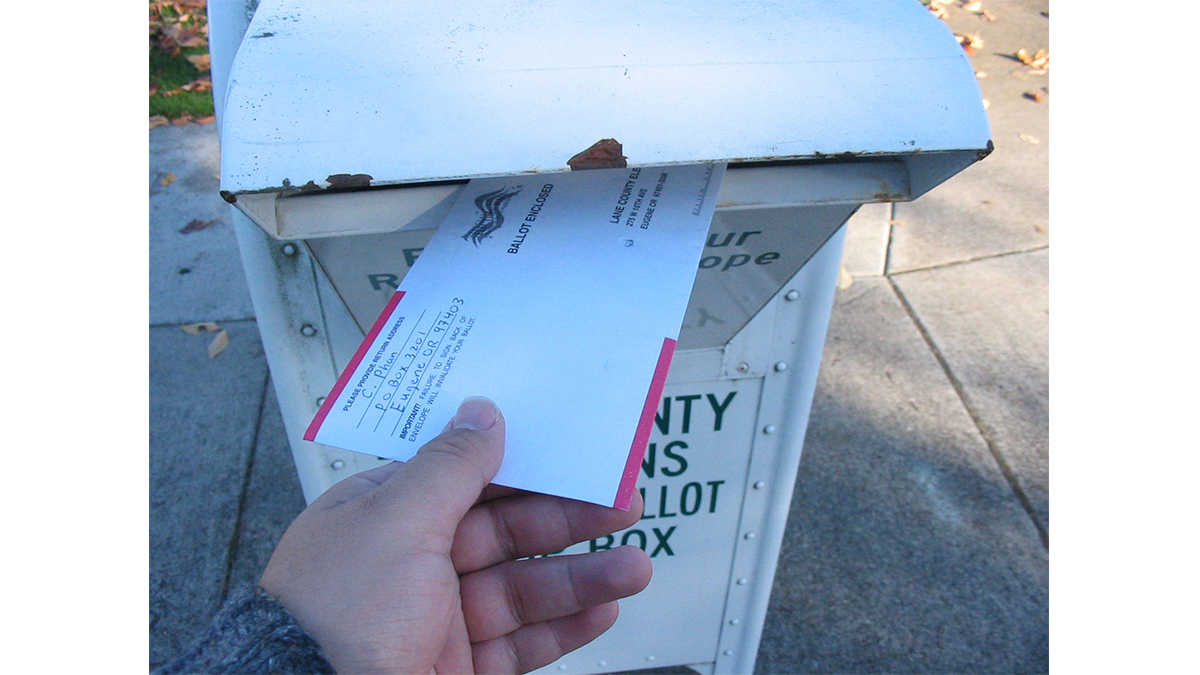
The order, signed this week, would restrict mail-in ballots to a federally approved list of absentee voters. Under the directive, the Department of Homeland Security and the Social Security Administration would work together to create that list, determining who is eligible to receive ballots by mail. States that fail to comply could face the loss of federal funding.
In response, NAACP President/CEO Derrick Johnson strongly criticized the action, warning that it could undermine access to voting for millions of Americans.
“Americans in every corner of our country (rural and urban, Black and White, rich and poor, healthy and infirm, civilian and service members) have participated in mail-in voting for decades without issue,” Johnson said.
Johnson also pointed to what he described as inconsistencies in the policy, noting that Trump himself has used mail-in voting in recent elections.
“This executive order is a sham,” Johnson said. “It is intended to sow chaos and discourage voter participation in the midterm elections.”
The NAACP framed the order within a broader context of voting rights challenges, comparing it to past actions that civil rights groups have argued disproportionately impact Black voters and other marginalized communities.
“Like mid-decade racial gerrymandering, the unlawful seizing of ballots in Fulton County, Georgia, and the SAVE Act’s modern-day poll tax requirements, this executive order is another attempt to restrict access to the ballot,” Johnson said.
Voting rights advocates have long emphasized the importance of mail-in voting as a tool that expands access, particularly for seniors, people with disabilities, military members and individuals with limited access to transportation. Critics of the new order argue that restricting mail-in ballots could create additional barriers for these groups.
The NAACP made clear that it is prepared to challenge the policy through legal channels.
“We will continue to turn to the courts to ensure that everyone can have a voice in our elections,” Johnson said.
The organization, one of the nation’s oldest civil rights groups, has a long history of advocating for voting rights, particularly for African Americans who have faced systemic barriers to the ballot box. Leaders say the current moment reflects ongoing efforts to protect access to free and fair elections.
While legal challenges are expected, the debate surrounding the executive order is already intensifying as the country approaches the 2026 midterm elections.
For the NAACP, the message remains clear: access to voting is fundamental to democracy, and any effort to limit that access will be met with continued advocacy and action.
As Johnson emphasized, efforts to restrict participation will not silence voters but may instead strengthen the resolve of those determined to make their voices heard.