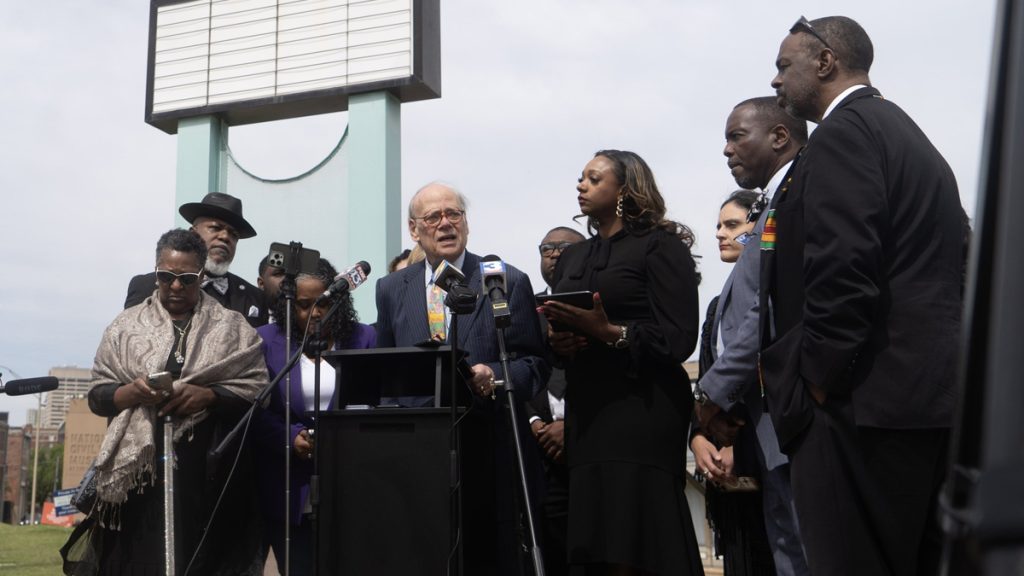
HARTFORD, Conn. — A newly signed law in Connecticut restricting the actions of federal immigration agents is drawing national attention, highlighting a deepening divide across the country over immigration enforcement, states’ rights and civil liberties.
Gov. Ned Lamont signed Senate Bill 397 into law this week, positioning the state among a growing number pushing back against the authority and tactics of U.S. Immigration and Customs Enforcement (ICE).

The measure places new limits on how law enforcement can interact with federal immigration officials. It prohibits officers from concealing their identities with masks while on duty, restricts warrantless arrests in sensitive locations such as schools, hospitals and places of worship, and allows legal consequences for federal agents who interfere with individuals recording law enforcement activity.
Supporters say the law is about protecting constitutional rights and ensuring accountability.
“We are sovereign in this state,” said Connecticut Attorney General William Tong. “That is why we have state laws—and why those laws matter.”
Lt. Gov. Susan Bysiewicz echoed that sentiment, saying the legislation reinforces the principle that “the Constitution applies to everyone.”
The bill passed largely along party lines, reflecting the broader national polarization surrounding immigration policy. Democratic leaders framed the law as part of a larger effort to defend civil rights and limit federal overreach, particularly in immigrant communities.
In a joint statement, Senate leaders described the legislation as a stand against what they called repeated violations of constitutional and human rights by federal immigration agents, emphasizing the importance of state authority under the 10th Amendment.
Critics, however, argue the law could create legal conflicts and undermine law enforcement.
House Minority Leader Vincent Candelora called the measure “political theater,” warning it could expose agencies to litigation and distract from other pressing issues facing residents.
“This invites legal challenges and shifts priorities away from the everyday concerns of Connecticut families,” he said.
Connecticut officials have made clear they are prepared for those challenges. Tong said the state is ready to defend the law in court if necessary, signaling what could become a broader legal battle over the limits of federal immigration authority.
At the national level, the issue is increasingly being framed as part of a larger struggle over civil rights and public safety. U.S. Sen. Richard Blumenthal pointed to controversial enforcement actions in other states, warning that similar tactics could spread nationwide.
“For anybody in Connecticut who’s wondering, ICE spans our nation,” Blumenthal said. “We are all Minneapolis.”
Lamont, meanwhile, emphasized the state’s identity as a place of inclusion, saying Connecticut remains committed to welcoming residents from all backgrounds.
“Whatever race, color, creed, whatever background, wherever you were born—you belong here,” he said.
The law comes at a time when several states are taking divergent approaches to immigration enforcement—some expanding cooperation with federal authorities, while others move to limit it. Legal experts say the outcome of challenges to laws like Connecticut’s could help define the balance of power between state governments and federal agencies in the years ahead.
As debates over immigration intensify ahead of upcoming elections, Connecticut’s move underscores a broader national question: how far states can go in shaping their own policies in the face of federal authority—and what that means for communities across the country.