Tennessee State Rep. Antonio Parkinson is calling for a national conversation about Memphis potentially separating from Tennessee following the passage of legislation that redraws the state’s congressional map and reshapes political representation in West Tennessee.
Parkinson made the remarks during debate over House Bill 7001, the controversial congressional redistricting plan approved by the Republican-led legislature that divides the current Congressional District 9 into multiple Republican-leaning districts.
The Memphis Democrat said the proposal represents more than a political dispute over maps, arguing it weakens Black voting power and diminishes Memphis’ political influence.
“This is no longer simply about maps,” Parkinson said. “This is about whether Memphis, a majority-Black economic engine for this state, is expected to continue contributing billions in tax revenue, culture, labor, and commerce while being systematically stripped of political power.”
During floor debate, Parkinson delivered an emotional speech criticizing lawmakers for dividing Memphis and Shelby County, which are home to a large portion of Tennessee’s Black population.
“When a Black community gains enough political strength to elect representation, and the response is to divide that community into multiple districts, people understand exactly what is happening,” he said.
Parkinson argued that Memphis contributes heavily to Tennessee’s economy while receiving inadequate political consideration from state leadership.
“Memphis is the top contributor to the state of Tennessee’s tax coffers,” Parkinson said. “You cannot demand Memphis contribute its culture, economy, tax base, labor, and talent to Tennessee while simultaneously denying its people the ability to choose its own representation.”
The lawmaker’s strongest remarks came when he openly suggested discussions about Memphis self-determination and possible secession from the state.
“If this legislature no longer believes the people of Memphis deserve the ability to choose a representative who reflects their community, then at least have the courage to say it plainly,” Parkinson said. “Do not hide behind maps and procedure. Let Memphis secede from the state of Tennessee. And I’m dead serious. Let my people go.”
Parkinson also framed the debate as part of a broader civil rights struggle tied to Black political representation in the South.
“Black representation in this state was not freely given,” he said. “It was fought for through sacrifice, protest, and generations of struggle.”
He additionally criticized elected officials who publicly celebrate civil rights leaders while supporting legislation he believes weakens Black political influence.
“You cannot celebrate Dr. King in January and weaken Black representation in May,” Parkinson said.
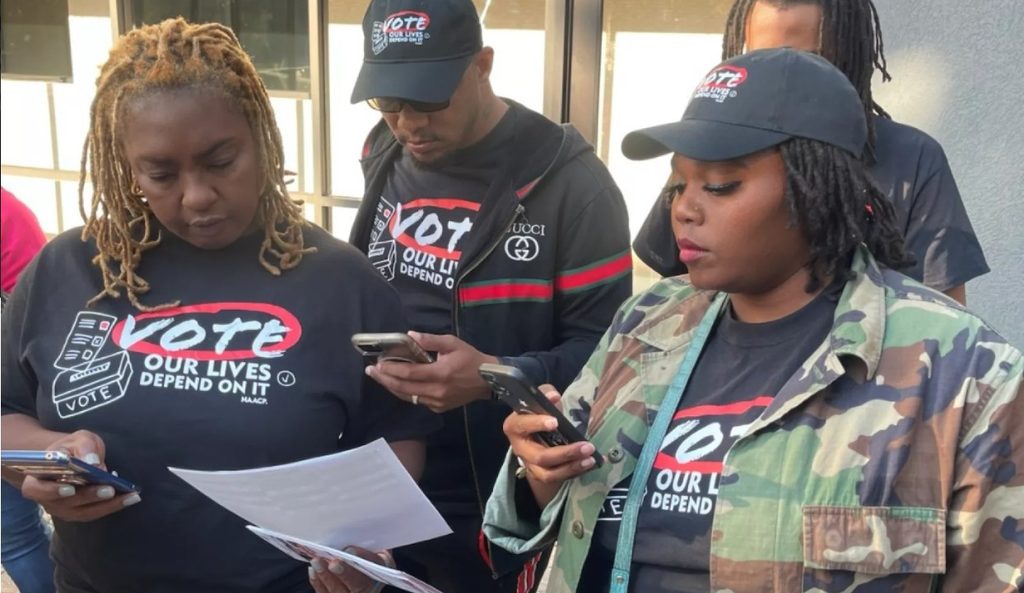
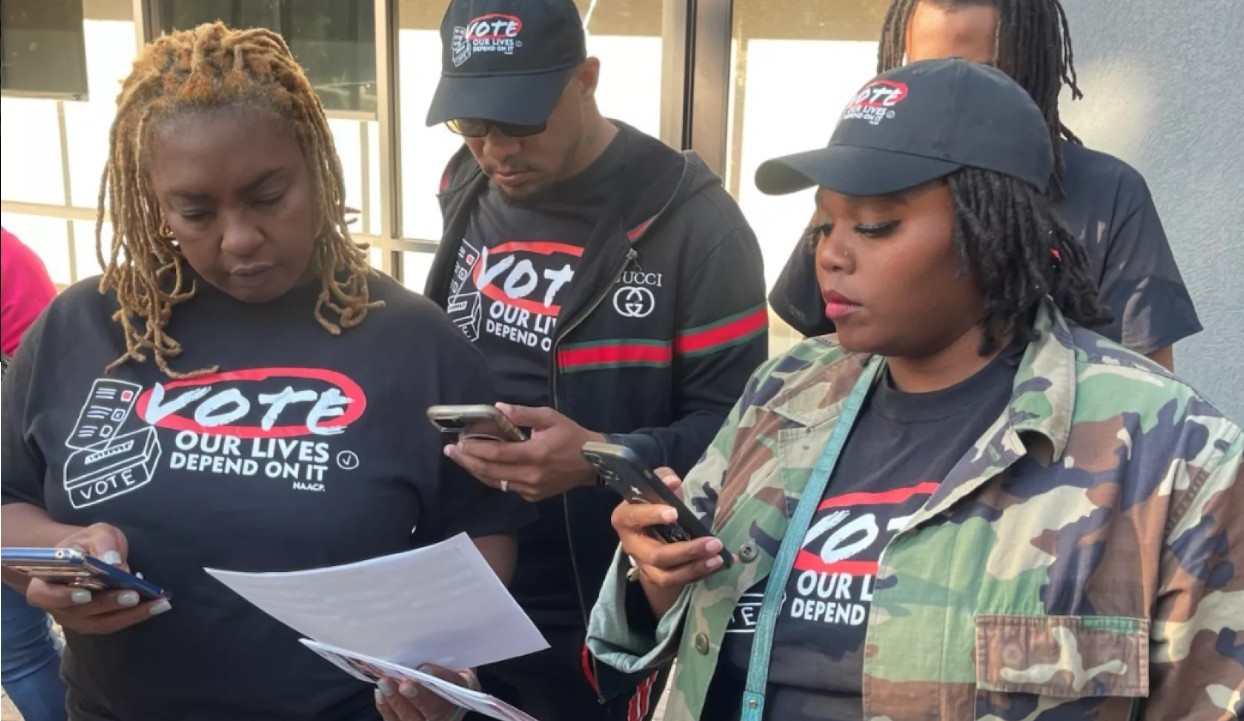
The redistricting battle has sparked protests, lawsuits and national attention as critics argue the newly approved map fractures Memphis’ Black voting base and weakens minority representation in Congress.

Parkinson said he now wants broader public discussion surrounding Memphis’ political future, including federal scrutiny of Tennessee’s redistricting process, hearings on voting rights and greater national attention on how Black-majority communities are treated within Southern politics.