Spain’s dramatic 1-0 extra-time victory over Argentina secured the nation’s second FIFA World Cup title, but La Roja’s triumph was only one part of a tournament defined by historic goals, underdog stories, cultural celebrations and political controversy.
Played across the United States, Mexico and Canada, the month-long tournament showcased emerging stars, unforgettable firsts and the global power of soccer. It also highlighted issues beyond the field, including immigration, race and national identity.
Here are my top 10 moments from the 2026 FIFA World Cup:
10) Curaçao scores its first World Cup goal.
Representing a nation of just over 185,000 people, Curaçao made history when Livano Comenencia scored against Germany in Houston. Although the Blue Wave lost 7-1, the country’s first World Cup goal became a landmark moment.
9) Yoane Wissa delivers for DR Congo.

Playing in its first World Cup since 1974, DR Congo celebrated a long-awaited milestone when Yoane Wissa scored against Portugal, giving Congolese supporters their first World Cup goal in more than 50 years.
8) Lamine Yamal makes Spanish history.
Against Saudi Arabia in Atlanta, 18-year-old Lamine Yamal became the youngest Spanish player ever to score in a World Cup, surpassing Gavi’s record and signaling Spain’s emergence as a championship favorite.
7) Erling Haaland becomes a World Cup phenomenon.
Norway’s Erling Haaland scored seven goals while captivating fans with his personality. His social media posts, behind-the-scenes videos and even a taxidermied raccoon made him one of the tournament’s biggest stars on and off the field.
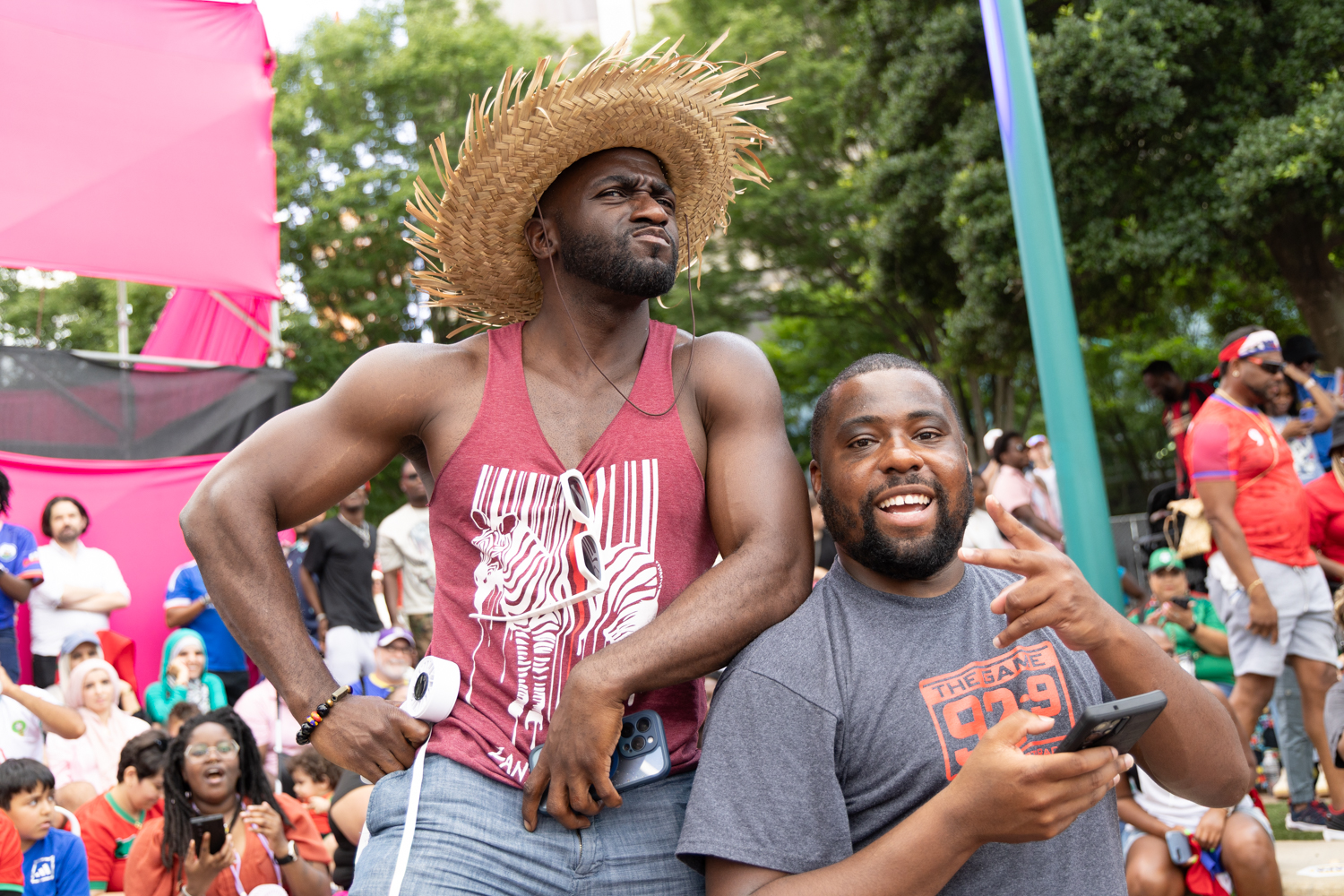
6) Atlanta’s FIFA Fan Festival becomes a global party.
More than 500,000 people gathered at Centennial Olympic Park during the tournament. Music from Ludacris, Jermaine Dupri, Davido and others, combined with fans from around the world watching matches together, turned Atlanta into one of the World Cup’s most vibrant destinations.
5) Jude Bellingham answers his critics.
After facing criticism before the tournament, England’s Jude Bellingham responded with seven goals, including two against Mexico. He finished as the World Cup’s highest-scoring midfielder and solidified his status as one of soccer’s brightest young stars.
4) Cristiano Ronaldo’s sets World Cup farewell.
Portugal’s Round of 16 loss to Spain ended Cristiano Ronaldo’s World Cup career. Although he never won the tournament, he added another milestone by scoring his first World Cup knockout-stage goal and left as Portugal’s all-time leading scorer.
3) U.S. travel restrictions affect the World Cup.
Visa restrictions prevented some supporters, family members and even officials from attending the tournament. Cabo Verde goalkeeper Vozinha’s mother missed his opening match, while Somali referee Omar Artan was denied entry despite being assigned by FIFA, highlighting how immigration policy affected the global event.
2) Cabo Verde wins over the football world.
One of the tournament’s biggest surprises, Cabo Verde, opened with a scoreless draw against eventual champion Spain before reaching the knockout stage. The team’s success introduced millions of fans to the island nation’s culture, language and history.
1) Argentina’s Black history receives global attention.
The tournament sparked renewed international discussion about Argentina’s racial history after incidents involving supporters drew widespread attention. The conversations continued through the knockout rounds, prompting broader discussions about race, identity and sportsmanship.
Spain finished the tournament with seven wins, no losses and one draw. Ironically, the only team it failed to defeat was Cabo Verde.
The 2026 World Cup will be remembered not only for Spain’s championship but also for historic moments involving Curaçao, DR Congo and Cabo Verde; the rise of stars such as Lamine Yamal, Jude Bellingham and Erling Haaland; and the enduring legacy of Cristiano Ronaldo. Kylian Mbappé also became the tournament’s all-time leading scorer with 22 World Cup goals.
Beyond the action on the pitch, the World Cup demonstrated that the world’s biggest sporting event also reflects conversations about immigration, race, national identity and culture, making it memorable long after the final whistle.