TriceEdneyWire.com — The Republicans are facing major problems in this year’s midterm elections, and they know it. President Trump’s failure to end the unpopular Iran war has become a political liability that could cost the Republicans control of Congress. The president originally stated that the war would last only four or five weeks. Six months later, we are still there, stuck in a military stalemate. The war has not only damaged the global economy, but it has created a weapons shortage for the U.S. military.
The problem for Republicans has always been bigger than Donald Trump’s arrogance and incompetence. The problem is a lack of character and competence, and it runs like a common thread throughout the party on both the federal and state levels. Trump would not be himself if he were not surrounded by enablers and loyalists who are equally arrogant and incompetent. The Trump administration is starting to be exposed. Long-time supporters are starting to feel the pain. Buyer’s remorse for Trump is setting in.
Trump voters are beginning to wake up. As a result, deep-red states that weren’t competitive in past elections are now moving within striking distance. Alabama is a perfect example.
U.S. Sen. Tommy Tuberville is a Trump loyalist who now wants to become Alabama’s next governor. This gubernatorial election will allow the voters of Alabama to hold a senator accountable for the disservice he has done to his constituents and to people who blindly follow the MAGA ideology. Trump supporters may have applauded when the ‘One Big Beautiful Bill Act’ became law, but many of them may have been unaware of the fine print.
Now that the bill’s full impact is starting to materialize, Tuberville is scrambling to save Alabama residents from the disadvantage he and President Trump have put them in. After President Trump signed his signature bill into law, it required states with SNAP payment error rates above six percent to pay a share of the benefits costs. The amount depends on how far a state’s error rate exceeds the six percent threshold. Poor states such as Alabama and Mississippi will now face a heavy financial burden on their budgets from a penalty that is part of Trump’s signature law. In Alabama’s case, the state had a payment error of 9.52% in fiscal year 2025. As a result, the state is now responsible for 10% of its SNAP costs, or approximately $174 million. This not only highlights the political power of the wealthy in crafting unfair laws, but it showcases the incompetence of Tuberville and most Republicans as public servants who are more than willing to subject their respective states to unnecessary burdens to satisfy any request from the president.
Alabama voters and those in other deeply red states are equally to blame. They trust lawmakers who genuinely do not have their best interests at heart. Democrats consistently sounded the alarm about this bill, and now the truth is out. Alabama’s most vulnerable residents were ignored, and Tuberville (along with fellow Sen. Katie Britt) is now trying to clean up the damage. <AL.com> reported Sens. Tuberville and Britt were urged by leaders and partners of Alabama food banks to support a two-year waiver that would spare the state’s SNAP program from paying millions in cost-sharing payments until fiscal year 2029. Michael Ledger, CEO of Feeding the Gulf Coast, said: “We are talking about penalties to states because of administrative errors. Administrative errors are not fraud. Fraud only runs one percent to two percent.”
Meanwhile, <AL.com> reports Alabama faces two possible outcomes if the waiver is not approved: the state will fund the cost-sharing payment, or it could lose its SNAP program. “To pay the cost share, state lawmakers would need to identify $174 million in the fiscal year 2027 budget. If lawmakers are unable or unwilling to allocate the funding, Alabama would have to reduce the number of SNAP participants or opt out of the program entirely,” said <AL.com> reporter Michael Yielding.
Persuadable Republican voters could be waking up. In the race for governor, Sen. Tuberville is not doing as well as expected against the Democratic nominee, former Sen. Doug Jones. In the 2020 Senate race, Tuberville received 61% of the vote against Jones. Now, only 49% say they will ‘definitely’ or ‘probably’ vote for Tuberville. Tuberville said he will likely not debate Jones during the final months of the gubernatorial race. While other local issues come into play in the race for governor, Alabama is not the only red state where Democrats are shifting the political landscape. A late August 2026 poll by Texas Public Opinion Research shows Democrat James Talarico leading Republican Ken Paxton 48% to 42% in the Texas U.S. Senate race. In Iowa, the Cook Political Report has shifted the state’s U.S. Senate race to a toss-up, reflecting a tightening contest between Republican Ashley Hinson and Democrat Josh Turek.
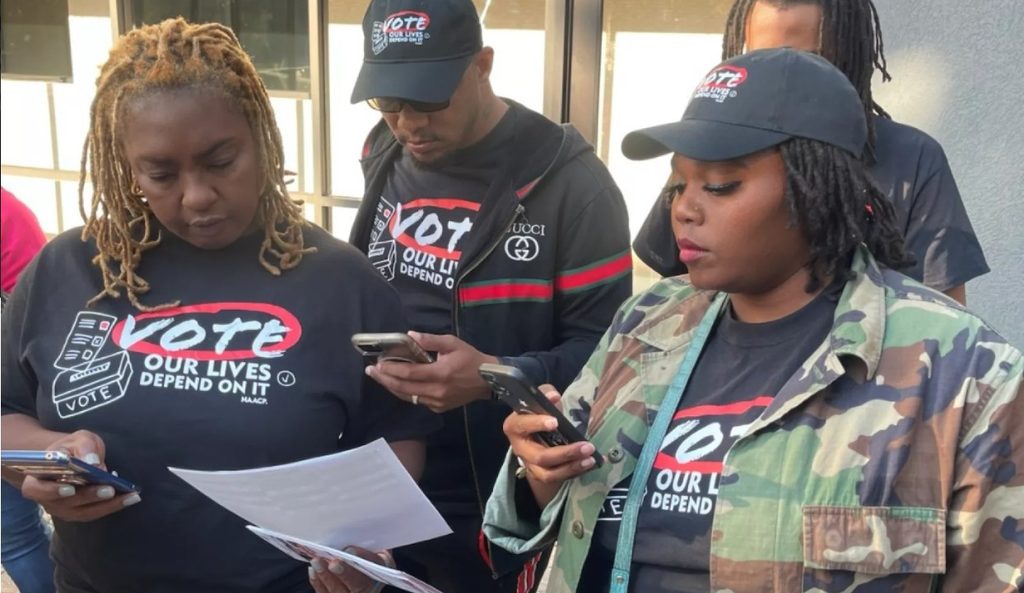
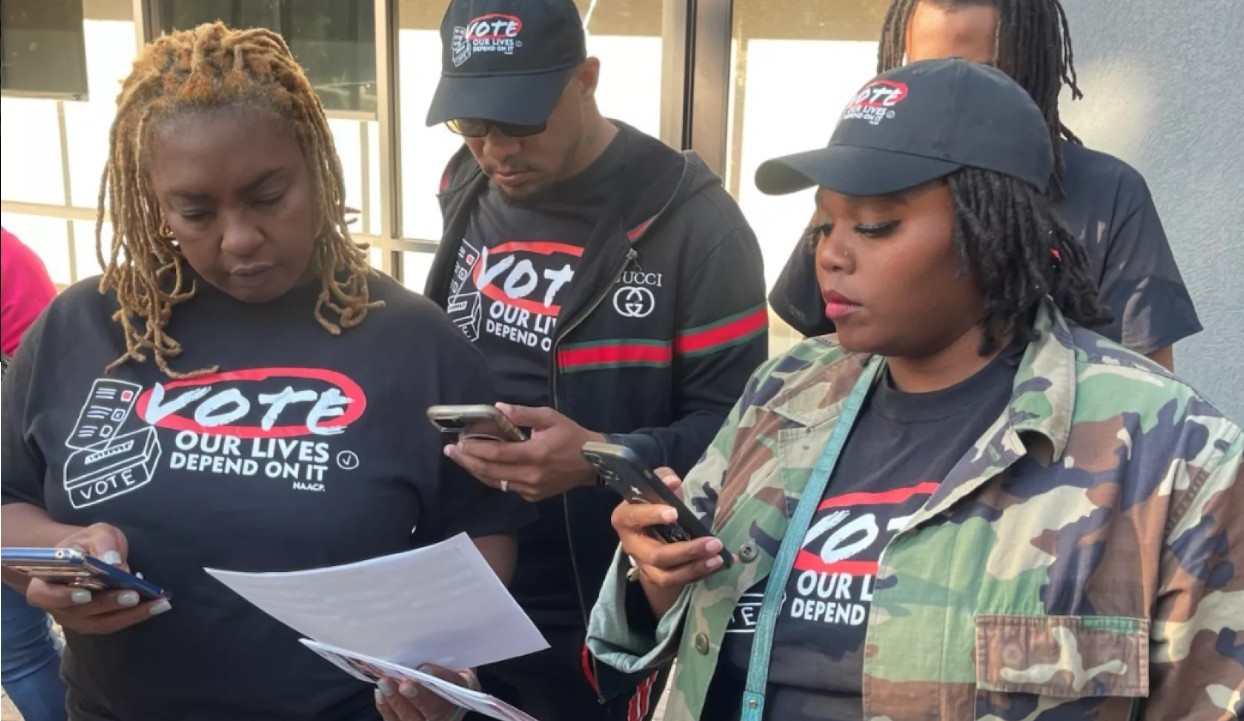
The report notes the economic pressures on Iowa’s agriculture industry as a factor challenging Republicans politically. A recent Fox News poll unexpectedly put Texas Republican Gov. Greg Abbott just one point ahead of his Democratic opponent, state legislator Gina Hinojosa. If primary voting data becomes a major trend, it shows that Black voters are upset and are turning out in higher numbers since the Supreme Court gutted the Voting Rights Act. A combination of upset Republican and Black voters could spell electoral troubles for the GOP in traditionally safe seats in Republican stronghold states.
(David W. Marshall is the founder of the faith-based organization, TRB: The Reconciled Body, and author of the book God Bless Our Divided America.)