As artificial intelligence rapidly changes how Americans work, learn and build businesses, the National Action Network is launching a new effort aimed at making sure Black communities are prepared to participate in (and help shape) the technology-driven economy.
The organization’s AI Fluency Initiative is designed to provide practical AI education and hands-on training to students, workers, entrepreneurs, clergy and community leaders. The initiative is being led by AI fluency strategist Susan Hearn and is intended to move beyond simply discussing the risks of artificial intelligence toward teaching people how to use the technology in everyday life and the workplace.

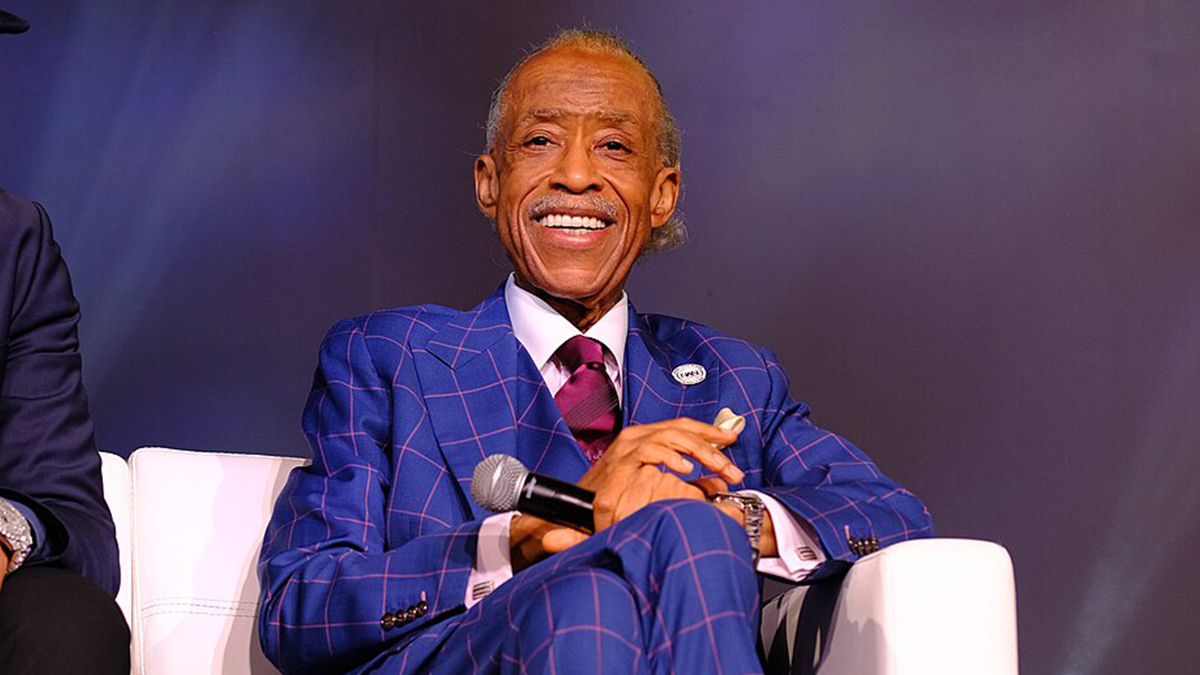
National Action Network founder and president Rev. Al Sharpton described AI literacy as an economic and civil rights issue, arguing that communities that historically have had less access to emerging technology should not be forced to catch up after new systems are already widely adopted.
“If Black and Brown communities are going to compete at the highest levels of industry, then practical AI training cannot be reserved for Silicon Valley boardrooms, elite universities, or people who already have a seat at the table,” Sharpton wrote in announcing the initiative.
The program is expected to use repeated working sessions that introduce participants to AI tools through practical applications. Participants are intended to leave sessions with skills they can immediately use rather than receiving only a general introduction to the technology.
The effort builds on NAN’s existing technology education programs. The organization operates Newark Tech World and technology programs through its House of Justice, where it has offered digital literacy, coding, networking, ‘hackathons’ and introductory technology courses for both young people and adults. NAN says those programs are intended to help residents remain competitive as technology reshapes the workforce.
NAN has also sought partnerships with the technology industry. Senior Vice President Ebonie Riley represented the organization last year at Google’s inaugural ‘AI University: Building Opportunities for All’ in New York, a program designed to provide nonprofit, workforce and small-business leaders with practical AI tools and skills.
The new initiative focuses on several areas, including workforce readiness, education, economic opportunity and greater participation by Black communities in the development and use of AI.
Sharpton said concerns about job displacement, biased algorithms and disruption caused by AI are legitimate, but he argues that focusing only on those risks could leave communities unprepared to take advantage of the technology.
“We are not just workers to be displaced and demographics to be reached after AI has already disrupted the landscape,” Sharpton wrote. “We are purveyors and engineers of this technology and should be considered active participants in its use.”
The initiative comes as AI tools increasingly become part of hiring, education, business operations, communications and other everyday activities. NAN’s position is that understanding those tools should become part of broader efforts to address disparities in employment, education and wealth.
The organization has spent years promoting technology access as part of its civil rights work. Newark Tech World was launched in 2016 as a community technology center offering instruction in web design, graphic design, digital literacy and networking skills.
Sharpton said the goal of the new program is not simply to expose Black communities to AI, but to position them to use the technology effectively and participate in decisions about how it develops.
“The AI Fluency Initiative is an access measure addressing an economic gap,” Sharpton wrote.