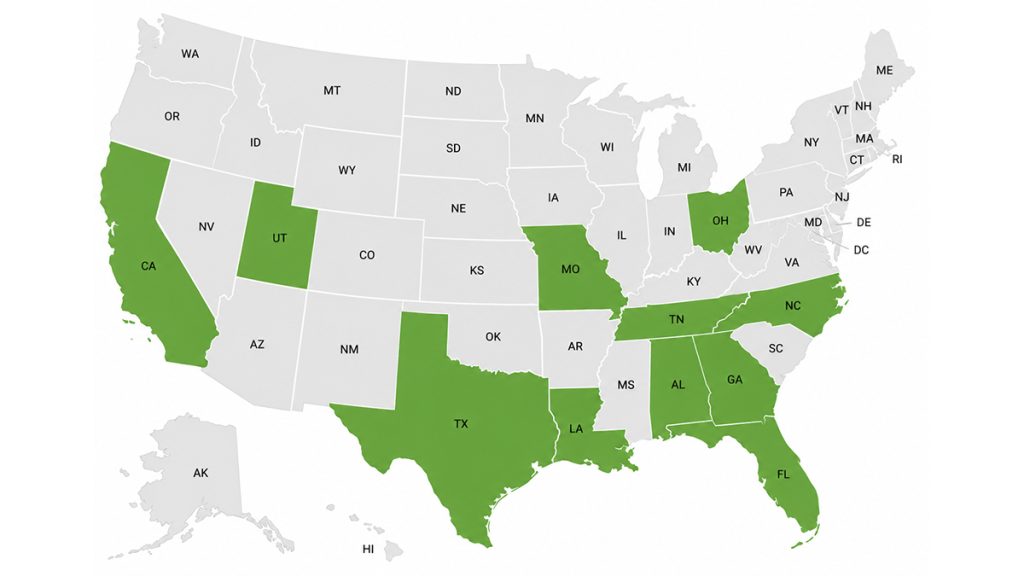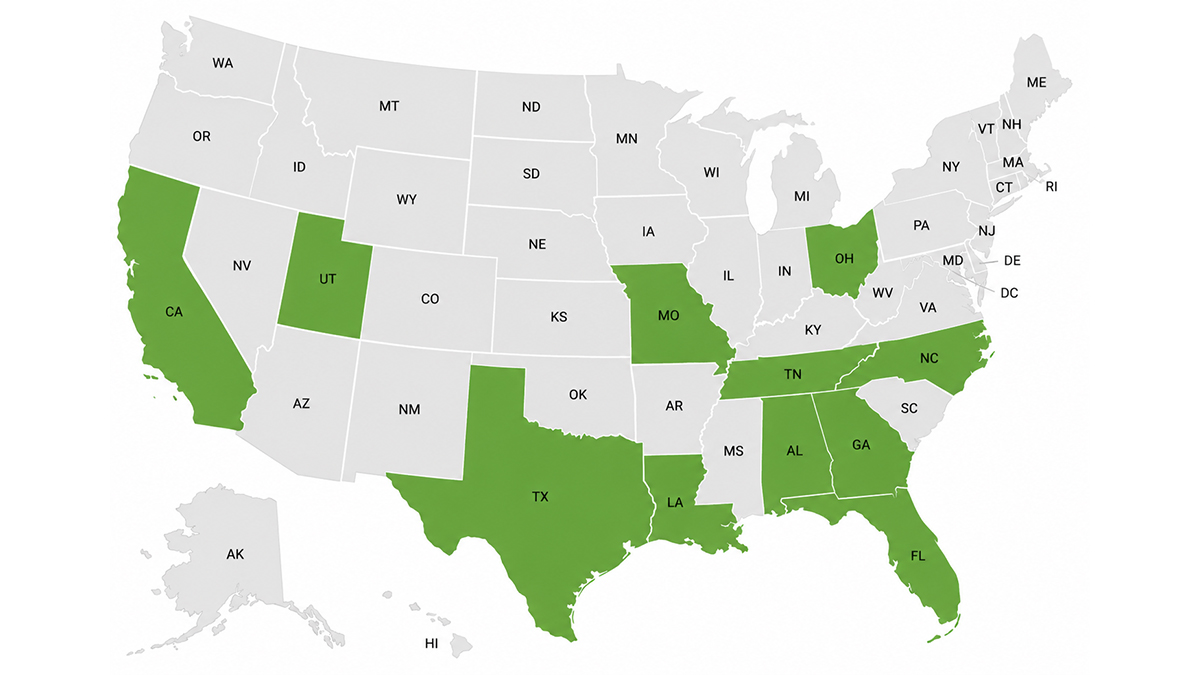
Metro Nashville is set to receive $23 million in opioid settlement funds over the next 18 years. The first payment may arrive as early as May 2022. Total payments to Davidson County represent nearly nine percent of the $242 million funds to all counties in Tennessee, which is only a portion of the $613 million that the state of Tennessee receives.
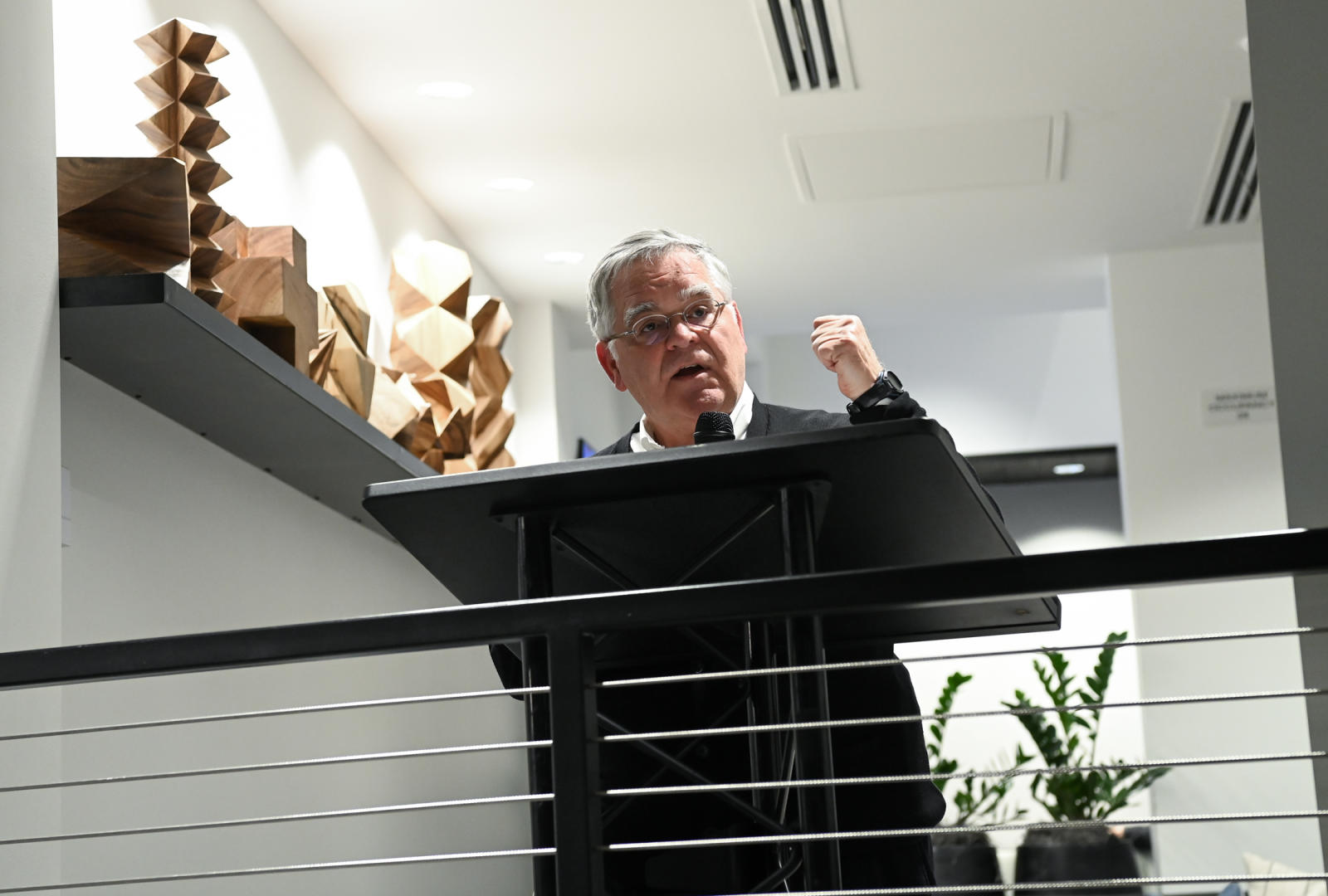
After years of litigation and negotiations, Mayor John Cooper hailed the settlement and praised Metro’s leadership role.

“Through it all, we were fortunate to have a lead role at the table,” said Cooper. “We won these funds at no cost to the county taxpayer. My administration and Metro departments are committed to using these funds to help save lives.”
Legal fees are covered through the legal fee fund of the settlement agreement. Metro’s Counsel participated in the Plaintiff’s Executive Committee.
“Mayor Cooper and his administration have been key players in negotiating this historic settlement that will positively affect our community for generations,” said Mark Chalos, partner at Leiff Cabraser. Leiff Cabraser and Manson, Johnson and Conner served as co-counsel to Metro Nashville.
“Fatal and non-fatal overdoses are still on the rise over the last three years here in Nashville,” said Dr. Calvin Smith, M.D., physician at Meharry Medical College; vice chair of Metro Board of Health. “This speaks to the availability of prescription opioids and easy access to illicit opioids, like fentanyl.”
Initially, funds will focus on life-saving practices, such as improving early diagnosis and detection, supporting linkage to treatment and promoting retention throughout the recovery process.
In February, the National Prescription Opiate Litigation Plaintiffs’ Executive Committee confirmed participation of over 90% of litigating local governments nationwide in the $26 billion global opioid settlements finalized with the ‘Big Three’ drug distributors (AmerisourceBergen, Cardinal Health, and McKesson) and opioid manufacturer Johnson & Johnson.
Metro led the team negotiating the Tennessee allocation, including crafting and implementing a legislative strategy that significantly improved the benefits for local government defendants, also known as subdivisions in the settlement. Metro counsel serves on Plaintiffs Negotiating Committee of national litigation that had a key role in negotiating Big 3/J&J settlements.
According to the master settlement agreement, there are nine core strategies that to guide the use of funds.
More information about uses and these settlements are available at the Plaintiffs’ Executive Committee negotiation team’s website <www.nationalopioidsettlement.com>.