

The House Republican budget passed Tuesday proposes sweeping cuts to health care, food assistance, and education programs, aiming to fund $4.5 trillion in tax breaks over the next decade. The cuts include $880 billion from Medicaid, $230 billion from the Supplemental Nutrition Assistance Program (SNAP), and $330 billion from student loan programs through 2034. These reductions come amid a push to extend the 2017 Trump-era tax cuts and other tax relief measures benefiting wealthy households and corporations.
According to the Center on Budget and Policy Priorities, the cost of extending tax breaks for the top 1% of earners—amounting to $1.1 trillion through 2034—mirrors the proposed Medicaid and SNAP cuts. Wealthy households making $743,000 or more annually would receive an average tax cut of $62,000, exceeding the median income of most of the 72 million people covered by Medicaid.
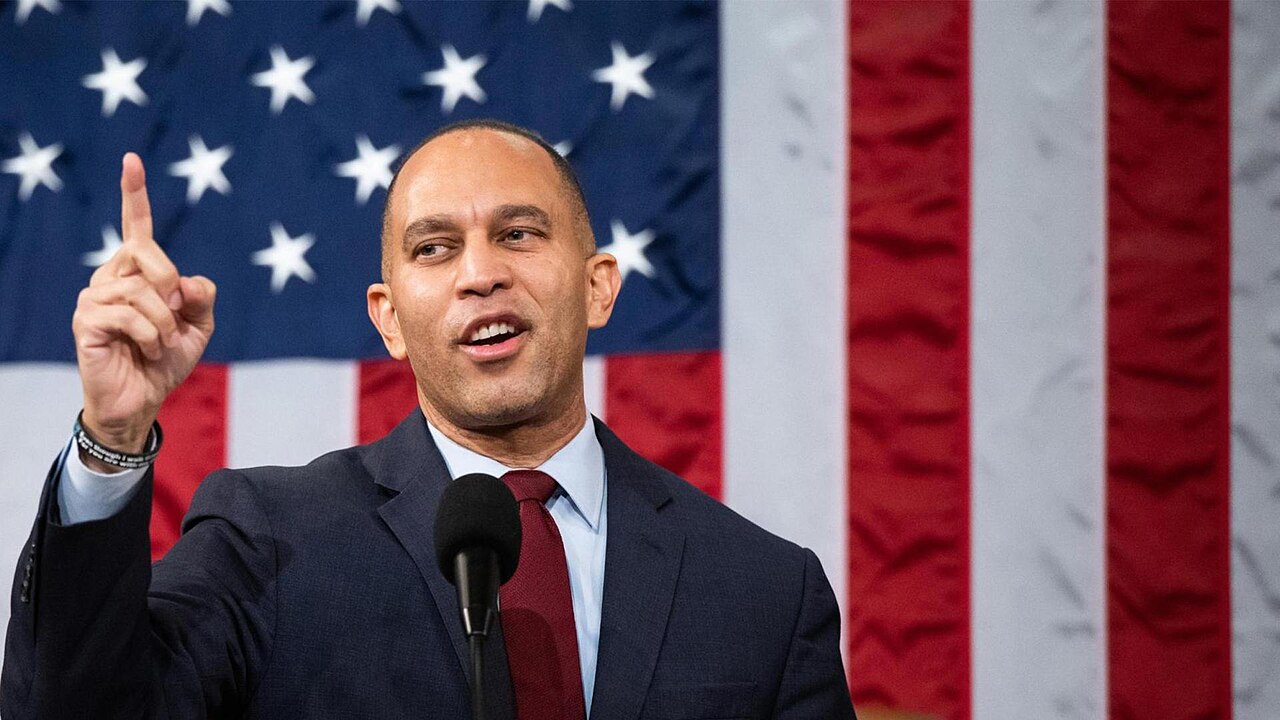
House Minority Leader Hakeem Jeffries (D-N.Y.) criticized the proposal, stating, “The House Republican budget resolution will set in motion the largest Medicaid cut in American history.” Rep. Ilhan Omar (D-Minn.) called the plan “a blueprint for American decline” that prioritizes billionaires over working families.
The proposed cuts would disproportionately affect Black, Latino, Indigenous, and rural communities, which have higher rates of poverty and reliance on programs like Medicaid and SNAP. The Kaiser Family Foundation states that over 80 million Americans are enrolled in Medicaid and CHIP. Cuts to these programs could force states to shoulder more costs, leaving millions uninsured.
The budget would also end enhancements to the Affordable Care Act’s premium tax credits, raising health care premiums for more than 20 million people. Student loan borrowers face higher repayment costs, further burdening low-income families.
While the House plan calls for increased border security and military spending, its projected tax cuts—renewing the Trump tax cuts and implementing no taxes on tips, overtime, and Social Security—would swell the federal deficit. Despite these cuts, the budget projects the national debt limit will be reached by November 2026.

Only Rep. Thomas Massie (R-Ky.) voted against the budget, citing concerns over worsening deficits. “If the Republican budget passes, the deficit gets worse, not better,” Massie posted on social media. Billionaire Elon Musk responded, “That sounds bad.”