
by Dr. Denise Turley,
<TriceEdneyWire.com> — A quiet but powerful change is happening all around us, and it’s being driven by artificial intelligence. While we often hear about all the exciting new possibilities AI brings, we need to focus on a far more serious issue: the serious threat it poses to communities that are already struggling. This isn’t a problem for the future. It’s a reality we’re living in right now, and it’s a shift we can’t afford to ignore.

The signs of this shift often begin subtly, appearing as small changes at work. Yet, these seemingly minor adjustments can quickly escalate, leading to significant disruption for individuals and families. Just think about Debbie, a single mother in her late 40s. For years, her administrative assistant job provided a steady income, enough to cover rent and put food on the table for her two kids. Then, a few months ago, her company introduced new AI software. Suddenly, her workload shrank. Her hours were cut, and before she knew it, her position was eliminated. Now she stares at grocery receipts, with the numbers climbing higher each week, and the stack of bills on the counter feeling like a mountain. The fear isn’t just about losing her job. It’s about not being able to provide in an economy for her family where every dollar is stretched thin. Debbie’s story is becoming increasingly common, a stark reminder of the quiet tsunami of job displacement already hitting our homes.
Discussions about AI have largely been dominated by tech giants and futurists. The voices of those most vulnerable to its disruptive power have been largely absent. We’re talking about individuals in jobs that form the backbone of our local economies: administrative assistants, customer service representatives, data entry clerks, and even those in transportation facing the advent of autonomous vehicles. These are roles that often employ women and people of color, communities already grappling with systemic inequalities.
A seemingly helpful chatbot on a website might seem convenient, but it’s also a powerful sign that a human job is on the line. The truth is, AI is a powerful tool, and companies are using it to automate routine tasks, boost efficiency, and cut costs. While we don’t know the full extent of the coming job losses, the direction is clear: our workforce is changing in a big way.
This isn’t just about a few jobs disappearing; it’s about a fundamental shift in the very structure of our economy. People who don’t have the skills to adapt will be left behind. This shift isn’t just a threat to entry-level jobs. Even traditionally secure careers like engineering and coding are at risk, as AI can now automate parts of their work. AI’s reach is far wider than many of us ever imagined, and its impact is something we can no longer ignore.
This is not a call for despair, however. Within this disruption lies immense opportunity. AI, while a force for change, is also a tool—a powerful one that can be used for progress. New jobs are being created in fields related to AI development, data analysis, and the ethical oversight of these very systems. The demand for individuals with AI-related skills is already soaring. The key is proactive engagement, and it starts with learning. We cannot afford to be passive bystanders in this technological revolution. Our communities must equip themselves with the knowledge to understand AI, to work alongside it, and even to build with it.
The good news is that access to AI education is becoming increasingly available. Organizations like Microsoft, Google and DET Impact Academy offer a wealth of free introductory courses and resources on AI fundamentals. Organizations like DET Impact Academy and Black Women For Positive Change are also stepping up to provide accessible training and pathways into AI careers for underserved communities. Readers are welcomed to join a 90-minute ‘Understanding Artificial Intelligence’ class I am teaching, in coordination with Black Women for Positive Change. The class is for youth and adults, on Wednesday, September 17, 2025, at 6 pm, EST; 5 pm, CT; 4 pm, MT and 3 pm, PST. You can sign up at <www.blackwomenforpositivechange.org>.
This is a critical moment, and taking action today is essential. We must begin to build the bridges that connect our communities to the knowledge and skills they need to feel empowered by technology—not intimidated by it.
Explore free resources: Visit the AI learning platforms offered by Microsoft (Microsoft Learn), Google (Google AI), and DET Impact Academy to find introductory courses.
Focus on ‘human’ skills: While learning AI is crucial, remember that skills like critical thinking, creativity, and empathy will be even more valuable in an AI-driven world.
Advocate for responsible AI: Engage in conversations about the ethical implications of AI. We must show up and be present to ensure these new systems are built with guardrails to prevent harm, especially in critical areas like resume scoring or loan processing.
How we handle this new technology will decide the future of our communities. We need to make sure we and our neighbors have the skills to not just cope with these changes, but to build a strong future. This is how we can safeguard our incomes, protect our family’s lifestyle, and create a secure foundation for ourselves and the next generation. The time to act is now.
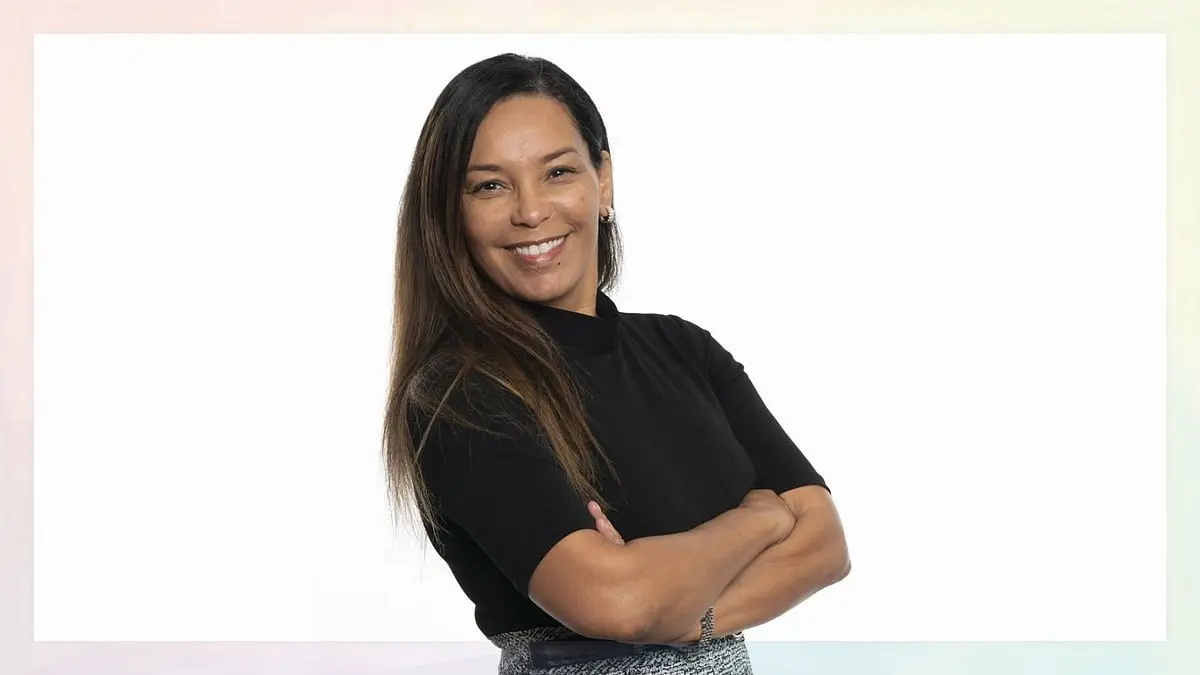
(Dr. Denise Turley is a globally recognized AI advisor and educator, helping leaders implement AI with clarity, impact, and a people-first approach. She is an AI ‘executive consultant’ with Black Women for Positive Change.)