Tennessee lawmakers returned to Nashville this week for a special legislative session that has quickly become one of the most closely watched (and controversial) political moments in the state, with deep concerns about its potential impact on Black representation.
Gov. Bill Lee called the session to review the state’s congressional map, saying lawmakers have a responsibility to ensure districts remain “fair, legal, and defensible.” But for many, particularly within Memphis and across Black communities, the effort has raised serious questions about intent and impact.
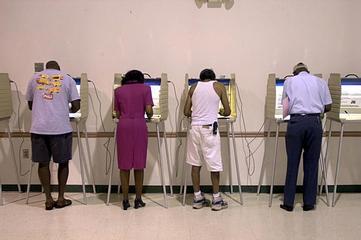
At the center of the debate is the Memphis-based district represented by Steve Cohen—the state’s only Democratic-held and majority-Black congressional district. Critics have warned that any move to redraw that district could dilute Black voting strength and fundamentally reshape political power in Tennessee.
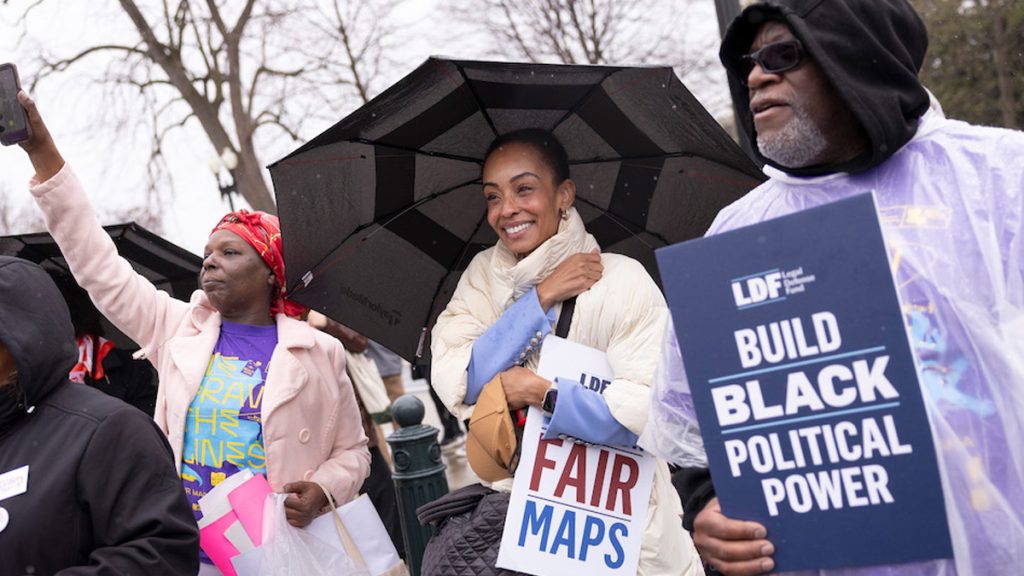
“This is not about fairness. This is about power,” the Tennessee Black Caucus of State Legislators said in a statement, arguing that the session reflects a broader effort to weaken minority representation.
The session comes in the wake of a recent U.S. Supreme Court decision that weakened key protections under the Voting Rights Act, a development that has intensified fears about how congressional maps could be redrawn not only in Tennessee, but across the South.
State Rep. Jesse Chism, chairman of the Tennessee Black Caucus, called the ruling “a troubling step backward,” warning that it erodes one of the most important safeguards against the dilution of Black voting power.
Democratic leaders have been outspoken in their opposition. Senate Democratic Leader Raumesh Akbari described efforts to redraw the Memphis district as “voting discrimination, full stop,” while Senate Democratic Caucus Chair London Lamar warned that using the court’s decision to reshape districts would be “morally bankrupt.”
“We have seen this playbook before,” Lamar said. “When Memphis builds power, Republicans move to take it.”
The issue has also drawn sharp response from Cohen himself, who spoke in front of the Lorraine Motel, a site deeply tied to the Civil Rights Movement.
“Trump wants the Tennessee State Legislature to take your voice out of Congress,” Cohen said. “This isn’t about the Constitution or fairness — it’s about Trump and the GOP doing everything they possibly can to hold onto power, avoid accountability, and silence voters before the midterms.”
Cohen pointed to the long history of unified representation in Memphis, adding: “Memphis has been a single congressional district for over a century, and the people here have chosen their representation based on their values and their voices.”
He also indicated that legal challenges are already being explored, saying his team is working with voting rights attorneys while urging residents to contact state lawmakers and oppose any effort to redraw the district.
Others have framed the moment in historical terms. Speaking near the same site, Akbari pointed to the legacy of the Civil Rights Movement, saying: “This is an issue of democracy. It’s an issue of history. It’s an issue of legacy.”
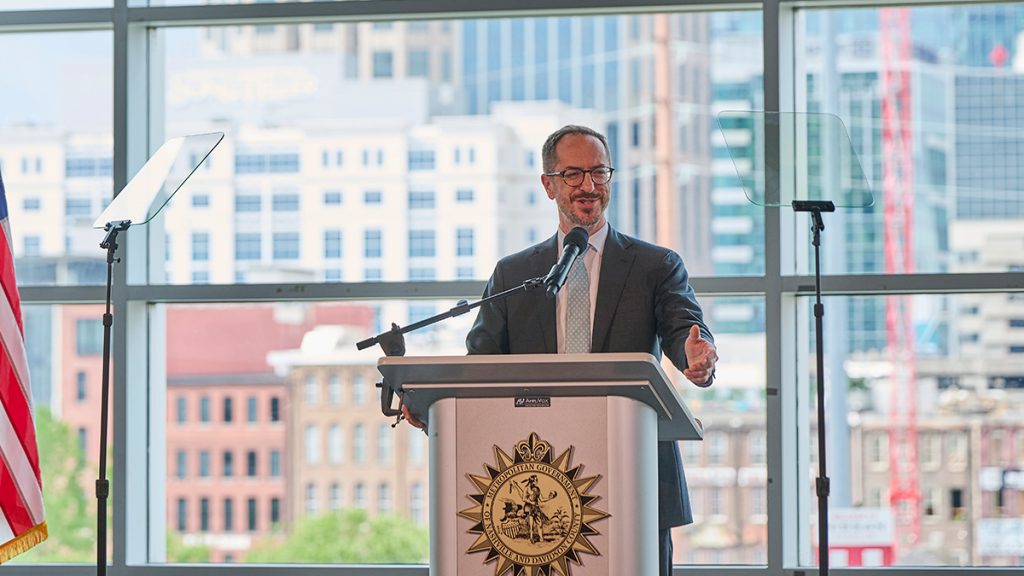
Republican leaders, however, have defended the session and the need to revisit the map. Lt. Gov. Randy McNally called the effort a “historic moment that demands bold action,” while U.S. Sen. Marsha Blackburn described redistricting as “essential” to maintaining the state’s political direction.
“We are in a historic moment,” McNally said. “Tennessee now has the opportunity to send another Republican voice to Washington.”
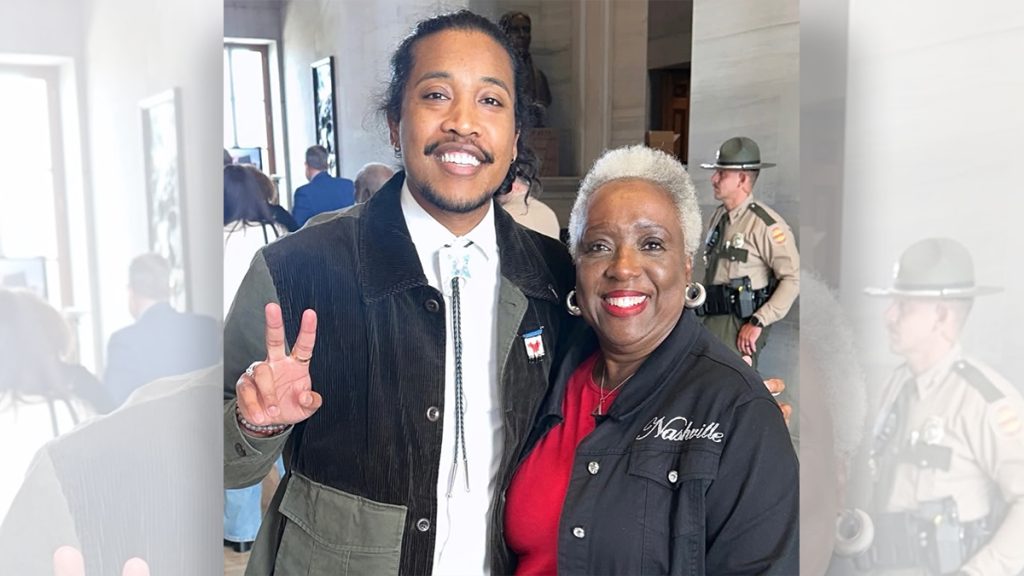
For critics, that framing underscores deeper concerns about political motivation. State Rep. Justin Pearson, who is running in the 9th Congressional District, called the effort “a racist attack and assault on our democracy,” saying it represents “an attempt to silence the voices of a majority-Black district.”
The implications extend beyond politics. Redrawing congressional lines could disrupt ongoing campaigns, requiring candidates who have already qualified to restart the process, while also reshaping how communities are represented in Washington.
The Tennessee Black Caucus has vowed to oppose any plan that weakens Black voting strength or undermines fair representation, calling on lawmakers, courts and residents to remain vigilant.
“Our message is simple: Representation matters, and we will fight to protect it,” the caucus said.
As the session unfolds, the debate has grown into a broader question about the future of representation in Tennessee—one that, for many, carries echoes of past struggles and raises new concerns about what comes next.