NASHVILLE, Tenn. — Nashville’s signature Juneteenth615 celebration will take on a new setting this year as organizers bring the annual Freedom Exposition and Fireworks Celebration to Centennial Park on June 19, while continuing to honor the historic legacy of Fort Negley and the generations of African Americans whose stories are intertwined with both sites.
What began in 2018 as a local observance of Juneteenth has grown into one of Tennessee’s largest celebrations of Black history, culture and community. Today, Juneteenth615 serves as the culmination of Nashville’s citywide Juneteenth activities, attracting more than 15,000 attendees annually and drawing participants from across Middle Tennessee.

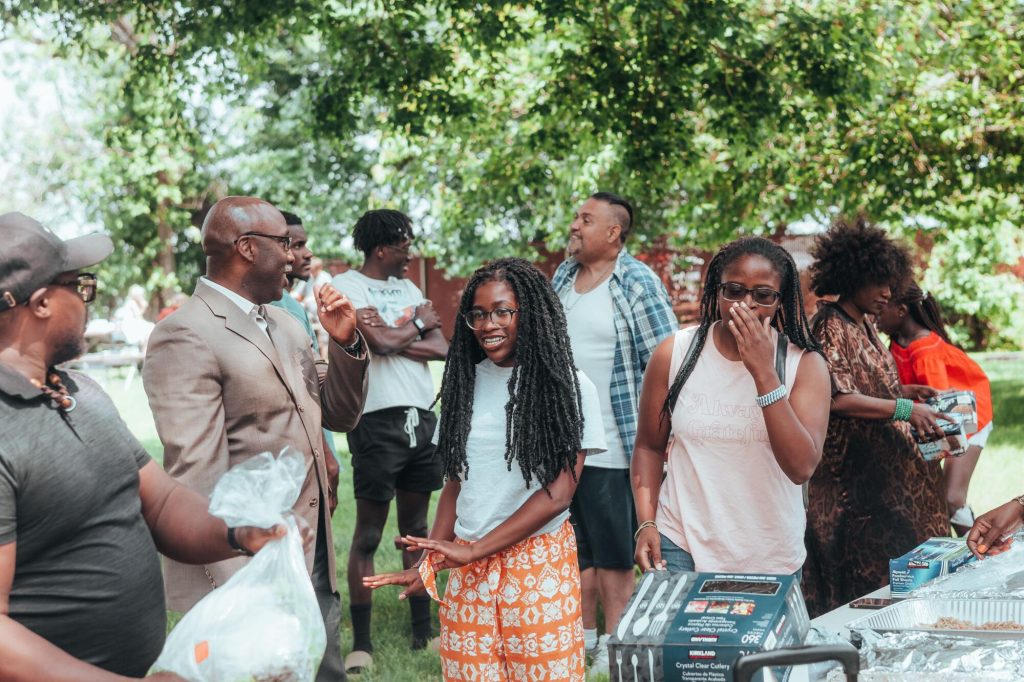
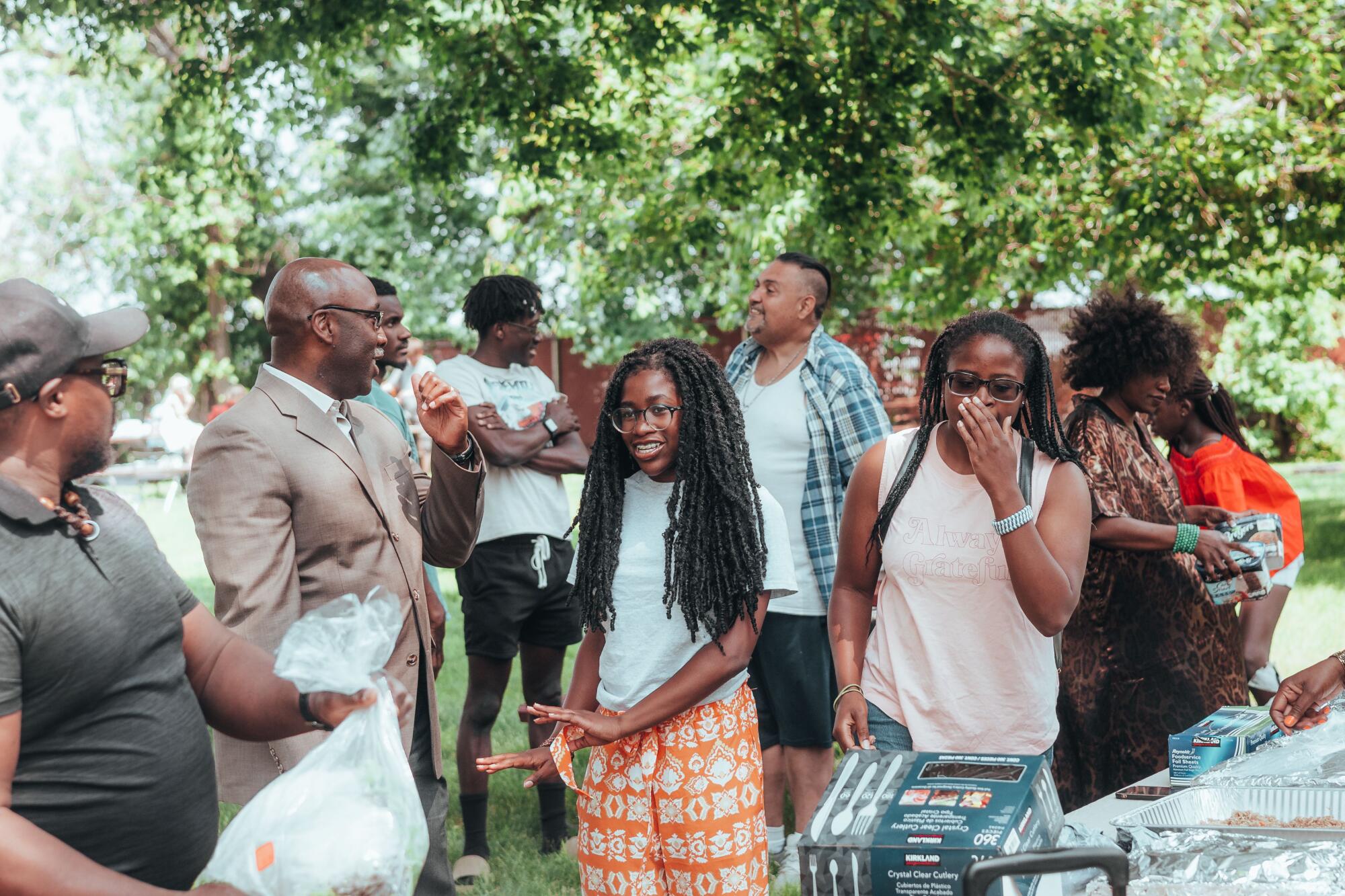
This year’s Freedom Exposition will be held from 5 p.m. to 9:30 p.m. at Centennial Park and will feature live entertainment, community vendors, family activities, the Taste of Freedom food experience, Juneteenth Restaurant Week promotions, historical programming and Tennessee’s only Juneteenth fireworks display accompanied by the Nashville African American Wind Symphony.
The move to Centennial Park comes as organizers await the completion of redevelopment efforts at Fort Negley, which has long served as the symbolic home of Juneteenth615. Rather than leaving behind that history, organizers say the new location allows the celebration to connect multiple chapters of Nashville’s African American story.
“As we await the completion of Fort Negley’s redevelopment, Juneteenth615 is expanding to Centennial Park, a location that carries its own powerful connection to Black history, progress and public memory,” organizers said in announcing the move.
While Fort Negley remains central to the event’s mission, Centennial Park offers another historically significant setting. During Tennessee’s 1897 Centennial Exposition, the grounds were transformed into what became known as “Centennial City.” Among its attractions was the Negro Building, a structure dedicated to showcasing African American achievement only a generation after emancipation. Inside, Black educators, inventors, artists, entrepreneurs and institutions displayed accomplishments in science, business, technology, culture and education.
Organizers note that the Negro Building represented both progress and the realities of segregation. Black excellence was recognized and celebrated, but it remained confined to a separate space. The 2026 Freedom Exposition seeks to reclaim that history by transforming the entire park into a celebration of freedom, creativity, entrepreneurship, music, food and family.
“What was once confined to one building now expands across the entire park,” organizers said.
The celebration’s roots, however, remain firmly planted at Fort Negley.
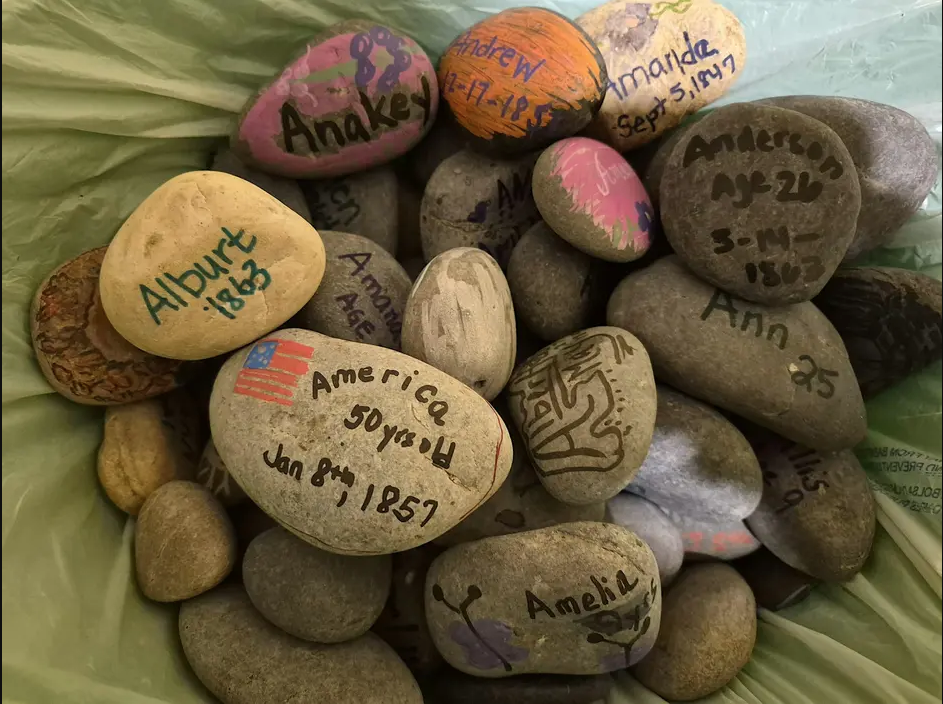
Built in 1862 by approximately 3,000 Black laborers, both free and enslaved, Fort Negley stands as one of Nashville’s most important African American historic sites. Many of those laborers endured harsh conditions constructing the Union fortification during the Civil War. Following emancipation, many formerly enslaved African Americans established thriving communities throughout Nashville, including neighborhoods such as Edgehill, Edgefield and Jefferson Street. Today, Fort Negley is recognized as a UNESCO Site of Memory.
The celebration itself commemorates Juneteenth, the oldest nationally recognized observance marking the end of slavery in the United States. The holiday traces its origins to June 19, 1865, when Union troops arrived in Galveston, Texas, and informed enslaved African Americans that they were free—more than two years after President Abraham Lincoln issued the Emancipation Proclamation.
“Slaves endured a system of captivity for twelve generations. We embark to celebrate the ending of this cruel crucible of tyranny and give thanks to our ancestors for their endurance,” said W.H. Siwel IV, one of the event’s founders.
This year’s Freedom Exposition will include a variety of family-friendly attractions. The Ultimate Kid Zone will feature bounce houses, a gaming truck, the Country Music Hall of Fame’s instrument petting zoo, the Book’em Book Mobile, art activities from the North Nashville Arts Coalition and appearances by mascots from Nashville’s professional sports teams.
Food will also play a major role in the festivities through the Taste of Freedom, which serves as the culmination of Juneteenth615 Restaurant Week. More than 30 food trucks and vendors are expected to participate, while dozens of Black-owned restaurants throughout Nashville are offering special menu items and promotions in recognition of the holiday. Participating businesses include Slim + Husky’s Pizza, Papa Turney’s Old Fashion BBQ, Barr’s Music City Soul Food, JoJo’s Fish House, Noir Kitchen & Cocktails and many others.
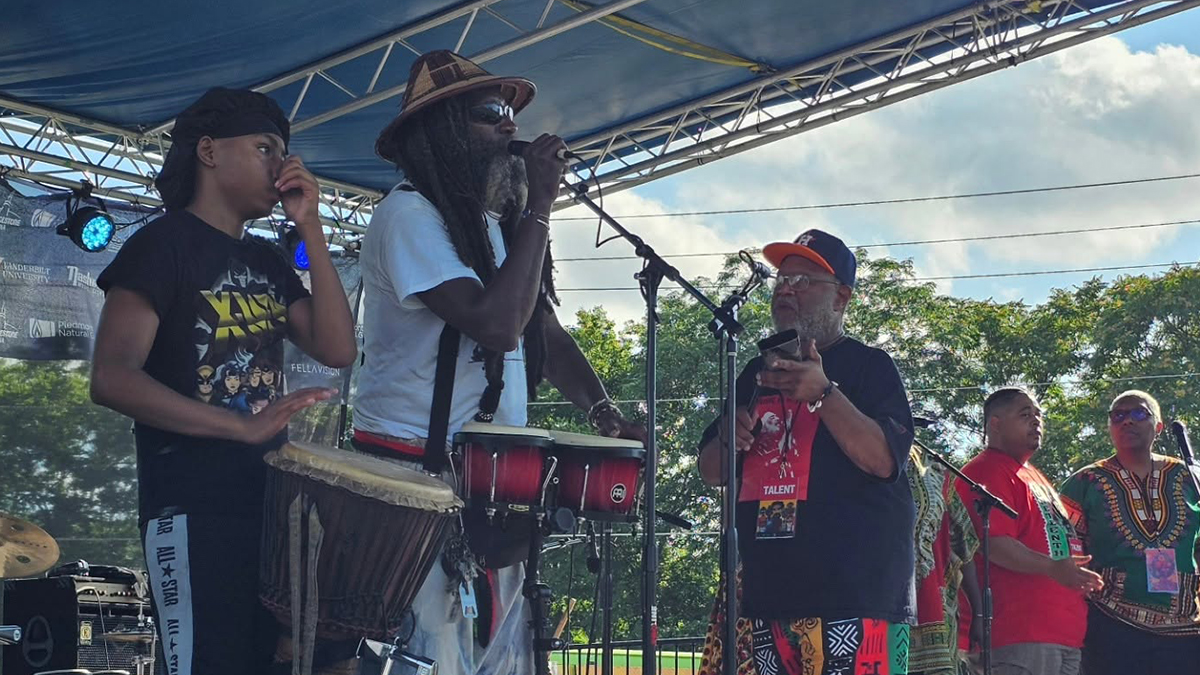
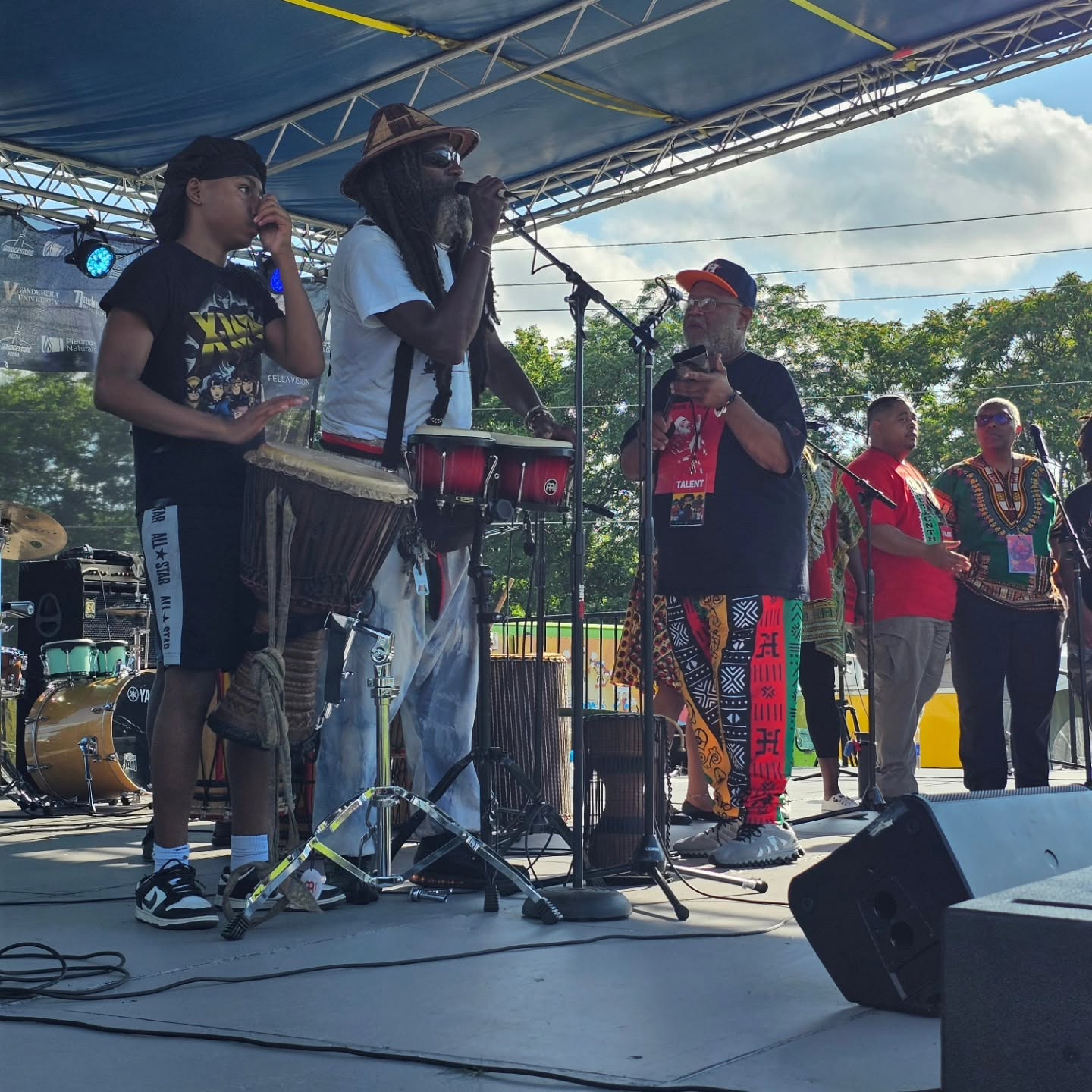
The evening’s entertainment lineup will feature DJ Carlos, Nature’s Drummers, Baba Musa, Sapphyre Blue, Jewels Dance Company, Showtimes Studios, T Ran, The Souls of St. Cloud Hill, Shackled Feet, The Barrs, Common People, a Michael Jackson tribute by Antoine Baynes and a performance by the Nashville African American Wind Symphony. Mayor Freddie O’Connell is also scheduled to offer remarks during the community celebration portion of the program.
The festivities will conclude with the Juneteenth615 Fireworks Presentation at approximately 9:35 p.m., continuing a tradition that has become one of the event’s signature attractions.
Organizers describe Juneteenth615 as having a threefold mission: to educate the public about the history of Juneteenth and emancipation, to create opportunities for celebration and fellowship through music, food and culture, and to strengthen community through intentional efforts focused on inclusion and understanding.
From the freedom defended by Black laborers who built Fort Negley to the achievements showcased in the Negro Building at the 1897 Centennial Exposition, this year’s celebration seeks to connect Nashville’s past to its future. As thousands gather at Centennial Park, organizers hope the event will serve not only as a celebration of freedom but also as a reminder of the resilience, creativity and contributions of African Americans throughout the city’s history.