(photo courtesy of National Archives and Records Administration)
WASHINGTON, D.C. — America’s 250th anniversary is prompting communities across the country to reflect on the people whose courage helped shape the nation’s founding. Among them is Crispus Attucks, widely recognized as the first person to die in the struggle that became the American Revolution.
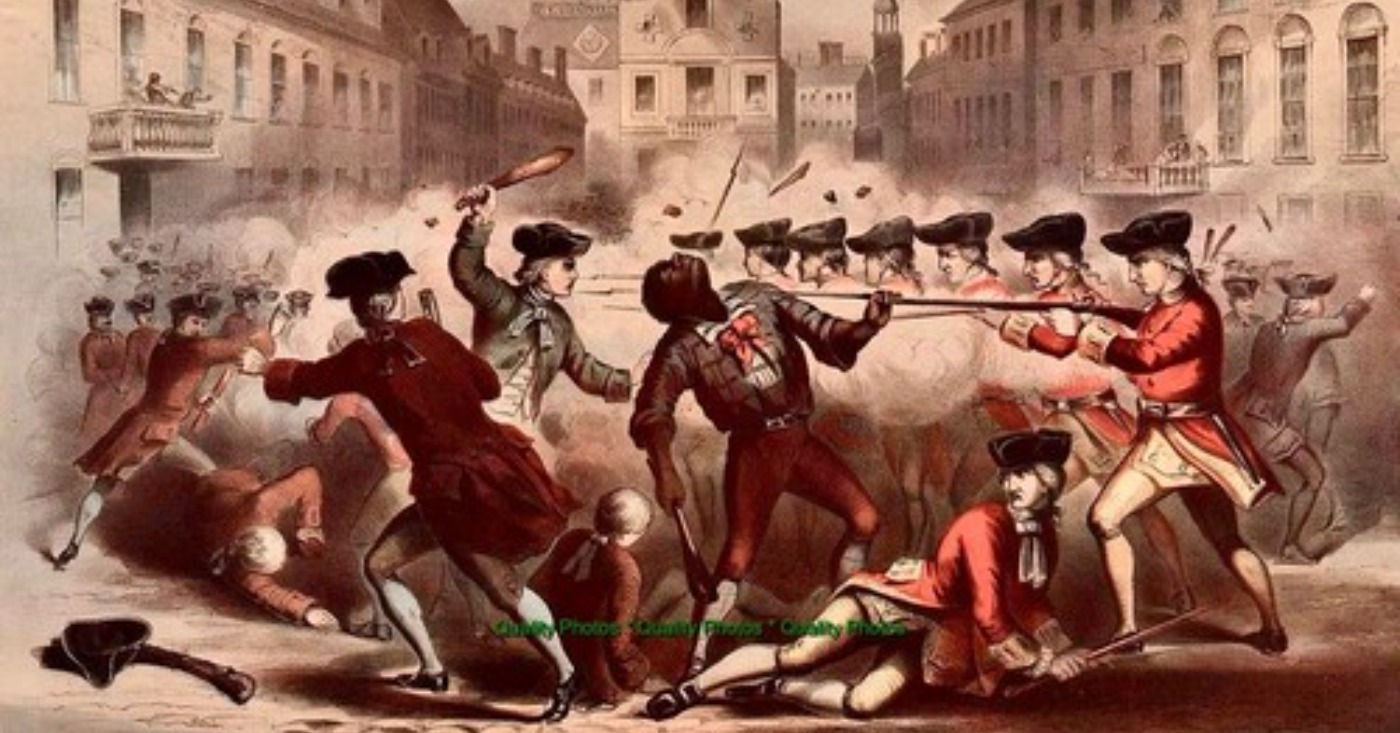
Attucks was killed during the Boston Massacre on March 5, 1770, when tensions between Boston colonists and British soldiers erupted into violence. His death became a powerful symbol of the growing movement for American independence and secured his place as one of the nation’s earliest patriots.
Although historians continue to debate whether Attucks was of African and Native American ancestry or primarily of African descent, there is broad agreement that he escaped enslavement and worked as a sailor, whaler and dockworker before arriving in Boston.
His story illustrates the complex history of the American Revolution and reminds readers that people from many different backgrounds contributed to the nation’s founding.
Historian Kenneth C. Davis, in Don’t Know Much About History, describes the rising tensions that led to the Boston Massacre. Clashes between local workers and British soldiers had become increasingly common, culminating in a confrontation in which soldiers fired into a crowd, killing five colonists. Attucks was the first to fall.
For generations, Black Americans have viewed Attucks as a symbol of sacrifice, courage and the pursuit of liberty. His legacy has inspired memorials, schools, scholarships and civic commemorations across the country.
As America celebrates its semiquincentennial, many historians and community leaders say the anniversary presents an opportunity to tell a fuller story of the nation’s founding—one that recognizes the contributions of all Americans, including those whose voices were often overlooked.
Remembering Crispus Attucks is not only about honoring the first casualty of the American Revolution. It is also about acknowledging the diverse people who helped shape the nation’s history and reaffirming the ideals of freedom, equality and opportunity that continue to guide the United States 250 years later.
(This article is adapted from reporting originally published by Word In Black.)