

A new documentary from Joliet Junior College is using one Midwestern city’s history to examine broader questions of race, segregation and reconciliation in America.
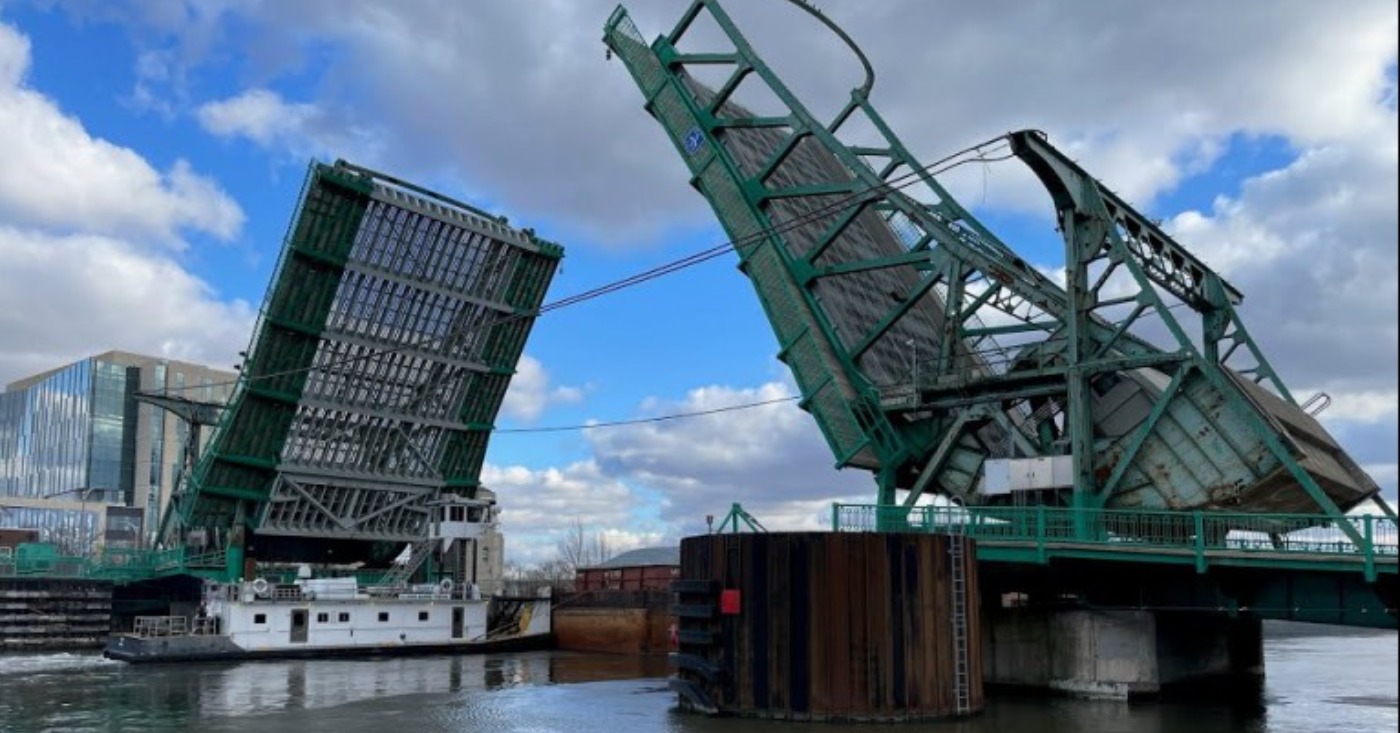
Still Bridges tells the story of Joliet, Illinois, through the voices of longtime residents who describe how the city’s six historic lift bridges became more than transportation links—they became symbols of racial division.
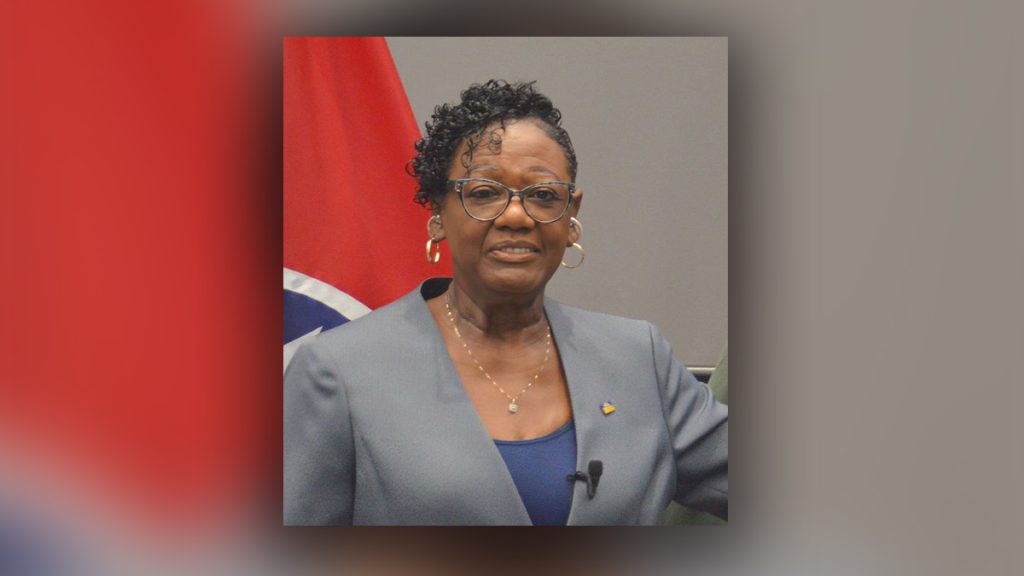
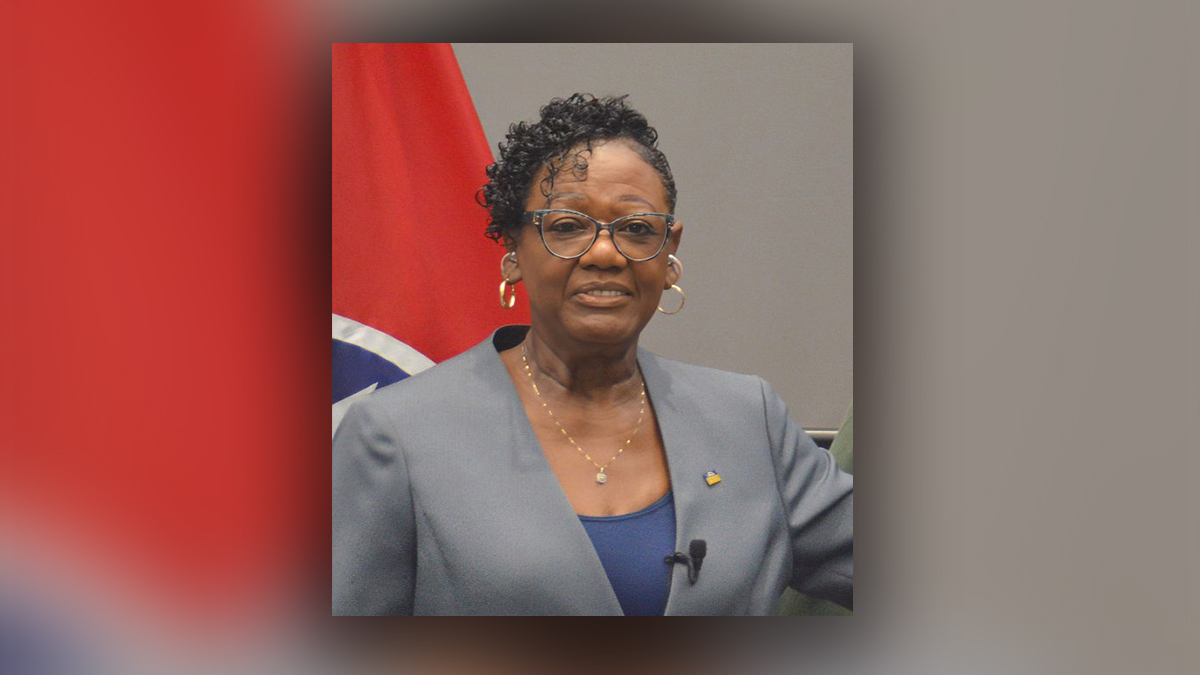
“When Dr. Martin Luther King, Jr. was assassinated, they raised all the bridges,” recalls longtime resident Denise Winfrey, a member of the Will County Board. “That was to contain people in their neighborhoods, especially those who lived east of the river, to keep them from going west.”
The documentary features interviews with Black, White and Hispanic residents whose personal experiences trace generations of discrimination, segregation and community change. Their stories recount restrictive housing practices, racial violence, unequal opportunities and the lasting impact of policies that divided neighborhoods along racial lines.
Rather than relying on narration, Still Bridges allows residents to tell the story themselves. Among those featured are elected officials, community advocates, educators and formerly incarcerated residents who now mentor young people, offering perspectives on both the city’s painful past and ongoing efforts to build stronger communities.
Organized into five chapters: The Steel, The Divide, The Blueprint, The Construction and The Bridge—the film explores how communities confront difficult histories while seeking common ground.
Although the documentary focuses on Joliet, its themes extend well beyond one Illinois city. Across the country, many communities continue to grapple with the legacy of segregation, unequal investment and systemic barriers that have shaped neighborhoods for generations.
By documenting both hardship and hope, Still Bridges asks viewers to consider how communities can acknowledge past injustices while working toward healing and greater understanding.
The filmmakers say the documentary is intended not only as a reflection on Joliet’s history, but also as a conversation starter for cities nationwide facing similar questions about race, opportunity and reconciliation.