


In 1950s Chicago, Mayor Daley made sure all Chicagoans knew they were Irish in time for St. Patrick Day festivities. Similarly, Columbus Day had all wearing Italian colors or at least eating Italian pizza or spaghetti. Cinco de Mayo has rushed headlong into the 21st century spotlight of heritage celebrations. Yet the most inclusive and impactful celebration for all of America goes neglected and needs explaining in many regions of our country—Juneteenth!
Juneteenth is the oldest nationally celebrated commemoration of the ending of slavery in the United States. From its Galveston, Texas origin on June 19, 1865, the observance of June 19 as the Black American Emancipation Day has spread across the United States and beyond. Today, Juneteenth commemorates Black American freedom and emphasizes education, citizenship, and achievement. Emancipation Day, Freedom Day, and later Juneteenth came into its own with the combination of the issuance of the Emancipation Proclamation (1863); the winning of the U.S. Civil War (1865) [with the game changing help of the United States Colored Troops, who were allowed by the Proclamation to join the Union armies]; with the force of Union soldiers on site to enforce the Emancipation Proclamation in all of the Confederate southern states (1865); and with the passage of the 13th amendment to the U.S. Constitution (end of slavery in all of the United States), followed quickly by the passage of the 14th amendment (Black citizenship) and 15th amendment (right of Black Americans to vote).
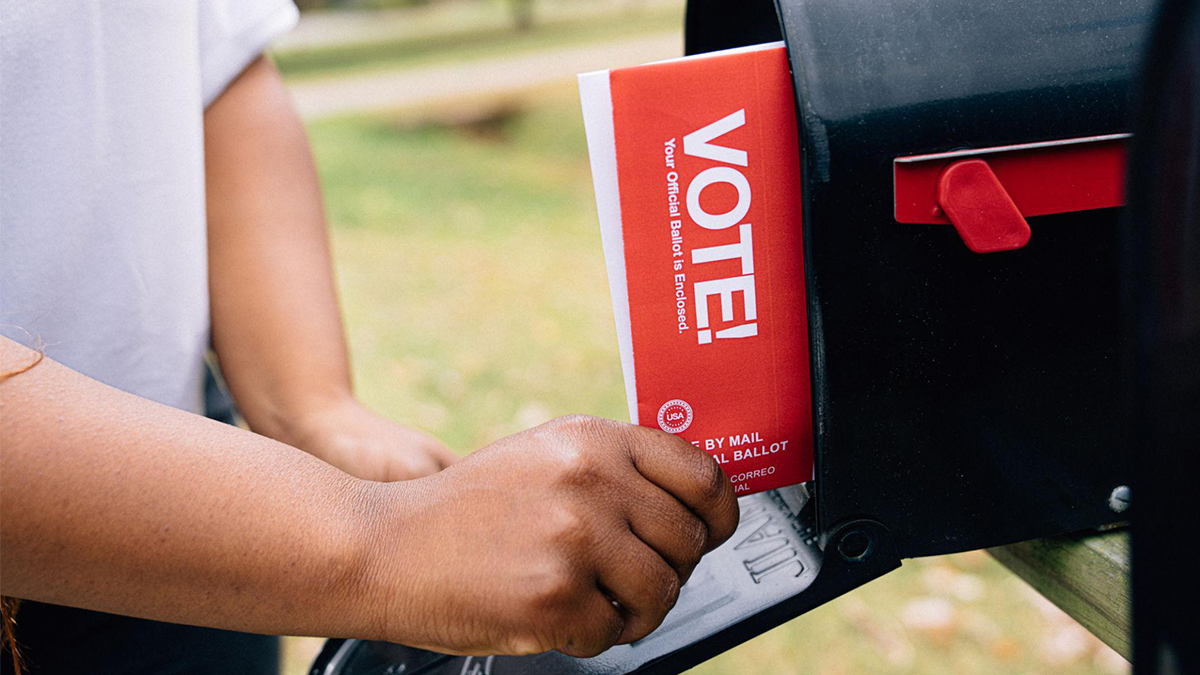
The United States experienced a new birth of freedom—freedom from slavery with citizenship for all. Juneteenth is for all Americans to observe and honor, as well as being a key element in the heritage of Black Americans. While Juneteenth represents Black Americans’ transition from slavery to citizenship, the rest of America had a chance to ‘do over’ what the Declaration of Independence and the original U.S. Constitution failed to provide. Unfortunately, America’s treatment and acceptance of all its citizens and their lawful, Constitutional rights, is still a work in progress—as evidenced in the 2012 Presidential election year. Even now, ‘forces’ continue to try chipping away at this fundamental right. One of the unique characteristics and basic tenets of a democracy is that its citizens get to vote, both figuratively and literally.
We are a democracy. A democracy is a form of government that is “of, by, and for the people.” ‘Of the people’ means the government is comprised of regular citizens; ‘by the people’ means the government is elected by its citizens; and ‘for the people’ means that the sole purpose of government is to act in ways that benefit us. Observing and celebrating Juneteenth contributes to standing strong and facing down these threats to hard won rights.
There remains the need for black Americans to rein-
troduce themselves to and reclaim the joy of celebrating Juneteenth and passing along the energy and spirit to others. The Juneteenth Memphis organization explained why we celebrate Juneteenth: “It’s really simple, as simple as J U N E T E E N T H”:
J – Juneteenth represents the joy of freedom-the chance for a new beginning.
U – Unless we expose the truth about the African American slave experience, Americans won’t be truly free.
N – Never must we forget our ancestors’ endurance of one of the worst slave experiences in human history.
E – Every American has benefited from the wealth Blacks created through over 200 years of free labor, and Juneteenth allows us to acknowledge that debt.
T – To encourage every former slave-holding state to follow Texas’ (and Oklahoma’s) example and make Juneteenth a state holiday.
E – Everyday in America, Blacks are reminded of the legacy of slavery. Juneteenth counters that by reminding us of the promise of deliverance.
E – Even on the journey to discover who we are, Juneteenth allows us to reflect on where we’ve been, where we’re at and where we’re going as a people.
N – Never give up hope is the legacy our enslaved ancestors left. It was this legacy that produced Black heroism in the Civil War and helped launch the modern civil rights era. It is this legacy we celebrate.
T – To proclaim for all the world to hear, that human rights must never again become subservient to property rights.
H – History books have only told a small part of the story; Juneteenth gives us a chance to set the record straight.
Happy Juneteenth 2013!
Sharone Hall is the founder and director of the Juneteenth Nashville Project which is sponsoring the free and open to the public first Health and Harmony Fest June 15, 2013, in Nashville’s Hadley Park, 9 am-noon.